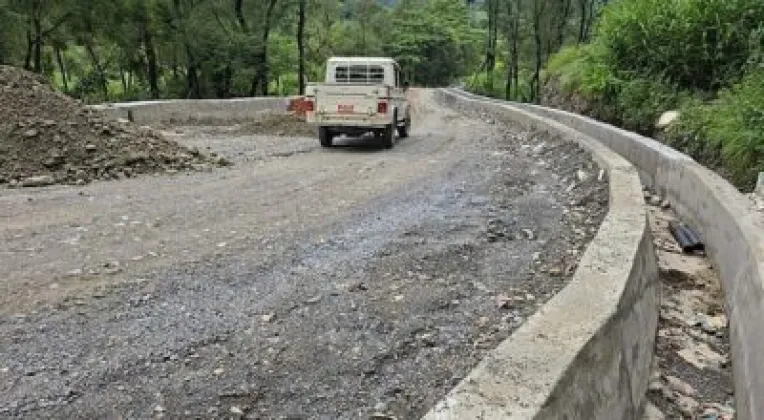
The District Disaster Management Committee, Tanahun, has recommended the repair and reconstruction of roads, bridges and culverts damaged by floods and landslides in the district. The recommendation follows continuous rainfall from Asoj 9 to 11, which caused floods and landslides and damaged transport infrastructure across the area. The committee, chaired by Chief District Officer Shivalal Tiwari, collected details of the damaged structures and forwarded its recommendations to the concerned offices and the ministry for further action.
Days of Continuous Rain Damage Key Infrastructure
The damage in Tanahun occurred as heavy rain fell continuously for three days, from Asoj 9 to 11. According to reports published by Khabarhub and RatoPati, the floods and landslides triggered by the spell of rainfall damaged roads, bridges and culverts across the district.
The infrastructure covered by the committee's recommendation includes:
- Roads damaged by floodwaters and landslide debris
- Bridges affected by the flooding
- Culverts that carry streams and drainage beneath the road network
Road connectivity is central to daily life and commerce in hill districts like Tanahun, and damage to any of these structures can affect movement between settlements and the markets, schools and health facilities they rely on. This is why the committee moved to document the destruction and push for the damaged structures to be repaired and rebuilt.
Committee Review Chaired by the CDO
The District Disaster Management Committee, the district-level body that coordinates disaster response, reviewed the situation under the chairmanship of Chief District Officer Shivalal Tiwari. As part of the review, the committee collected details of the structures damaged by the floods and landslides that followed the Asoj 9 to 11 rainfall.
On the basis of the information gathered, the committee recommended that the damaged roads, bridges and culverts be repaired and reconstructed. The key actions taken by the committee can be summarized as follows:
- Collection of details on infrastructure damaged by the floods and landslides
- A formal recommendation for the repair and reconstruction of the damaged structures
- Forwarding of the recommendations to the concerned offices and the ministry
Role of the District Disaster Management Committee
In Nepal's disaster management framework, the District Disaster Management Committee serves as the primary district-level mechanism for coordinating preparedness, response and recovery. It is chaired by the Chief District Officer, the senior-most administrative official in the district, and brings together the local offices concerned with assessing damage and recommending relief and reconstruction measures. The Tanahun committee's latest decision follows this established process: document the damage, recommend repairs and pass the recommendations upward to the offices and the ministry responsible for acting on them.
Recommendations Forwarded to Offices and the Ministry
With the recommendation now forwarded, the next step rests with the concerned offices and the ministry. Such recommendations are intended to set in motion the administrative and financial processes required for repair and reconstruction, including technical assessment of the damaged structures and the mobilization of resources for the work ahead. By formally recording the damage and recommending repairs, the committee has sought to ensure that the destruction caused by the rainfall is addressed through official channels rather than left unattended.
A timeline and a budget for the repair and reconstruction work have not been detailed in the reports published so far. What has been made clear is the direction of the process: the committee's assessment has been handed to the offices and the ministry, which are expected to take the recommendations forward.
Monsoon Rains and the Seasonal Toll on Road Networks
Floods and landslides are a recurring feature of Nepal's monsoon months, when sustained rainfall swells rivers and loosens hillsides along the country's road networks. Asoj, the sixth month of the Nepali calendar, falls roughly between mid-September and mid-October, a period when late-monsoon downpours frequently trigger flooding and slope failures. Roads, bridges and culverts often bear the brunt of such events, as floodwaters scour their foundations and landslide debris blocks or buries carriageways.
For Tanahun, the committee's recommendation marks the first formal administrative step toward recovery from the Asoj 9 to 11 disaster. If the concerned offices and the ministry act on it, the repair and reconstruction of the damaged roads, bridges and culverts would help restore the transport links that residents of the district depend upon. Until that work is carried out, the committee's assessment stands as the official record of the damage caused by the three days of continuous rain, and the basis on which the district now awaits restoration.