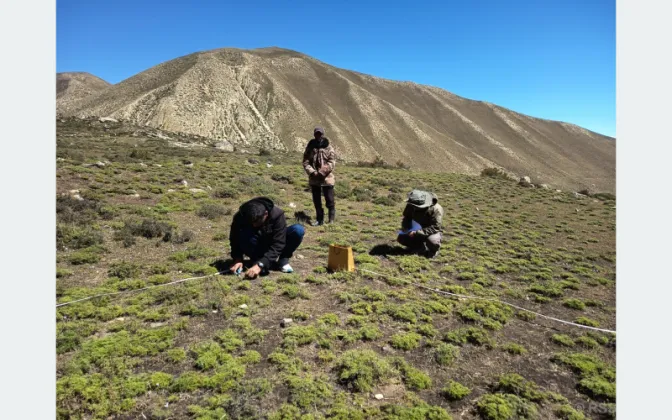
A study has been launched to support the conservation of snow leopards and Himalayan tahrs, with a focus on examining the grazing areas used by the two species. The initiative was reported by Thaha Khabar and Nepal Lead, both of which covered the launch of the study on 26 November 2026.
Focus on Grazing Areas
The central aim of the newly launched study is to examine the grazing grounds that snow leopards and Himalayan tahrs use. By mapping and understanding these grazing areas, researchers hope to lay the groundwork for stronger conservation measures for both species.
Snow leopards, an iconic high-mountain predator, depend heavily on prey species such as the Himalayan tahr. This makes the interaction between the two species and the landscapes they share a matter of direct relevance to conservation planning. The study's emphasis on grazing areas reflects an approach that looks at the habitat needs of both predator and prey together, rather than treating them in isolation.
Reported by Nepali Media
The launch of the study was reported by two Nepali news outlets, Thaha Khabar and Nepal Lead. Both outlets published their reports on 26 November 2026, confirming that the study has formally been initiated.
While the reports are brief, the coverage signals growing media attention to high-Himalaya wildlife conservation in Nepal. Snow leopards are among the most closely watched and least commonly seen large mammals in the region, and any dedicated research effort involving them tends to draw interest from conservation observers and the public alike.
Why the Study Matters
Conservation of high-mountain species in Nepal presents particular challenges. The rugged terrain, harsh climate and remoteness of snow leopard habitat make field research difficult and resource-intensive. Studies that examine grazing areas can provide essential baseline information, helping authorities and conservation partners understand where these species feed, how their ranges overlap, and what pressures they may face.
For the Himalayan tahr, which serves as a key prey animal for the snow leopard, the health of its grazing grounds is closely tied to the survival of the predator. Degradation or shrinking of these shared grazing landscapes can have cascading effects through the mountain food chain. By studying the grazing areas of both species, the study addresses a fundamental building block of high-altitude ecosystem conservation.
Steps Ahead
With the study now launched, the focus will turn to the fieldwork and findings that follow. The examination of grazing areas is expected to contribute to conservation efforts for both the snow leopard and the Himalayan tahr, providing data that can inform future protection measures in Nepal's mountain regions.
Further details about the study's scope, duration and implementing agencies have not been outlined in the initial reports from Thaha Khabar and Nepal Lead. As the research progresses, additional information is expected to emerge about its findings and how they will shape conservation planning for Nepal's high-Himalaya wildlife.