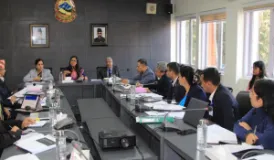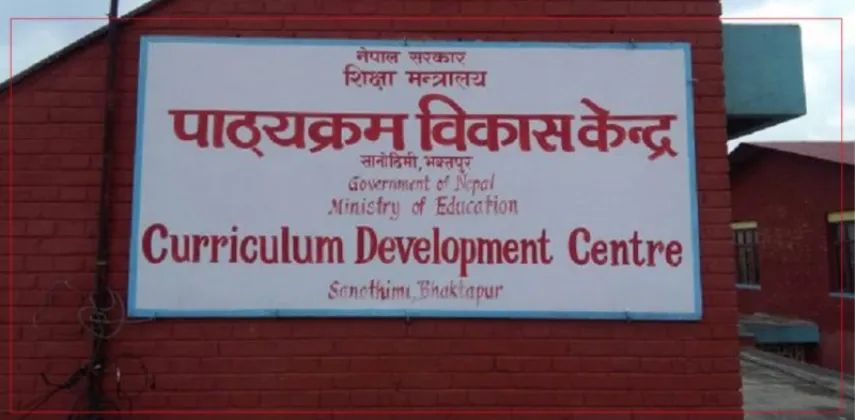
KATHMANDU - Nepal's school-level curriculum is set for a major overhaul, with a government task force recommending the integration of artificial intelligence, information technology and life skills into classroom teaching across the country. The recommendations were made public on November 26, 2026, marking a significant shift in how Nepal plans to prepare its students for a technology-driven future.
A task force formed to revise the 'School Level National Curriculum Framework, 2076' has proposed that skill-based education be prioritised at the school level, alongside artificial intelligence, information technology and life skills. The move signals Nepal's intent to move away from rote learning and towards practical, future-ready education.
Key proposals for curriculum reform
The task force has put forward a range of innovative practices aimed at reducing the burden on schoolchildren and making learning more engaging. Among the most notable are the concepts of 'Bagless Day' and 'Book Free Friday', which would give students regular breaks from traditional textbooks and school bags, creating space for hands-on and activity-based learning.
Beyond these practices, the proposed framework also emphasises national-values-based moral education, a move intended to ground students in the cultural and ethical foundations of the country. Sports science, health and wellbeing are likewise recommended for inclusion, reflecting a broader understanding of education that goes beyond academics.
Climate change and technology in focus
Climate change education features prominently in the proposed revisions, an acknowledgment of the environmental challenges facing Nepal, from glacial melt to increasing natural disasters. By introducing climate-related content at the school level, the task force aims to build environmental awareness among young Nepalis from an early age.
Language education and the use of information technology round out the list of proposed priorities. The emphasis on IT aligns with the recommendation to bring artificial intelligence into the classroom, suggesting a curriculum designed to equip students with digital competencies that are increasingly demanded in the modern economy.
A comprehensive vision
Taken together, the recommendations outline a comprehensive reimagining of Nepal's school curriculum. The task force's proposals combine technological readiness through AI and IT education with personal development through life skills, moral education, sports and health, while addressing pressing global concerns such as climate change.
The proposals emerged from a review of the 'School Level National Curriculum Framework, 2076', the foundational document that guides curriculum development in Nepal's schools. The task force's work, reported from Kathmandu, now places before policymakers a blueprint for transforming education in the country.
If implemented, the changes would represent one of the most significant curriculum reforms in recent years, positioning skill-based learning at the centre of Nepal's school education system. The proposal has been reported by multiple national media outlets, including Rastriya Samachar Samiti-affiliated publications and leading dailies, underscoring the significance of the reform effort.
The next steps for the proposals will depend on the government's adoption of the revised framework, but the task force's recommendations make clear the direction Nepal's school education is expected to take: towards practical skills, digital literacy and holistic development for every student.