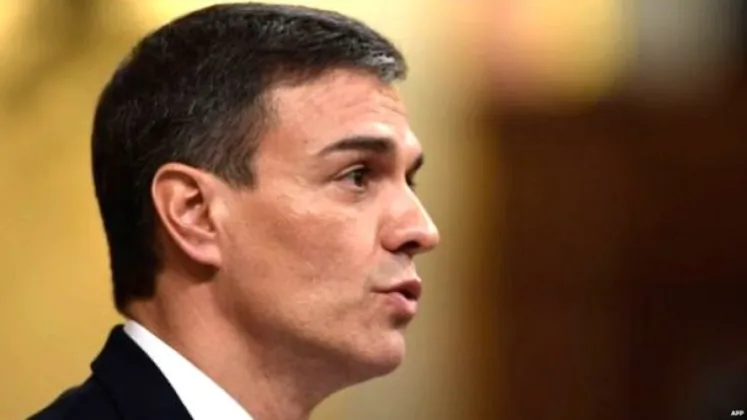
Spain is holding a snap general election on November 29, with polling stations opening across the country as Socialist Prime Minister Pedro Sanchez fights to retain power in one of the most consequential votes in recent Spanish political history. Sanchez called the election eight months ahead of schedule after members of parliament rejected his government's planned changes to the country's housing laws, a defeat that left him with little choice but to seek a fresh mandate from voters.
The election pits Sanchez's Spanish Socialist Workers' Party (PSOE) against its main rival, the conservative People's Party (PP), in a contest that pre-election surveys suggest the opposition is well placed to win. According to the polls, the PP has been running ahead of the Socialists, and one estimate cited in the run-up to the vote suggests the party could form a government in coalition with the far-right Vox movement, a scenario that would mark a significant political shift for Spain.
Why the Election Was Called Early
The snap vote was triggered by a parliamentary setback for Sanchez's minority government. When lawmakers rejected the planned reforms to Spain's housing laws, the prime minister moved to dissolve parliament and take his case directly to the electorate rather than continue governing without a working majority.
Calling the election eight months early was a calculated gamble. Sanchez is hoping that a personal mandate from voters will strengthen his hand in negotiations with potential allies and allow him to keep in office a government that had increasingly struggled to pass legislation. The failed housing vote highlighted the fragility of his coalition, and the November 29 election now gives Spaniards the chance to either endorse or reject his approach.
For Sanchez, the stakes are high. Losing power would end a premiership in which his Socialist party has led the country through a period of significant political and economic turbulence. Winning, or at least finishing ahead of expectations, would allow him to claim vindication for his decision to go to the polls early.
A Tight Race Between PP and PSOE
The conservative People's Party enters the election with momentum. Pre-election surveys have consistently placed the PP ahead of the Socialists, giving the party of the Spanish right a genuine prospect of returning to government after a period in opposition.
However, the polls also indicate that the PP may face difficulty securing an outright majority in parliament on its own. This has turned attention to the far-right Vox party, which could emerge as a kingmaker. An estimate highlighted ahead of the vote suggested that the PP could form a government in coalition with Vox if the numbers allow it, a prospect that has injected urgency into the final phase of the campaign.
For Sanchez's PSOE, the challenge is equally clear: the party must overcome the deficit it faces in the surveys while rallying its traditional base and potential left-leaning allies. The Socialist leader has framed the election as a choice over the direction of the country, betting that his record in office and his personal standing can overcome the headwinds shown by the polls.
What Is at Stake
The outcome of the election will determine not only who leads Spain but also the shape of the next governing coalition. A victory for the PP, particularly one reliant on Vox support, would move Spanish politics to the right and potentially bring the far-right into national government. A win or strong showing for Sanchez would consolidate the left's hold on power and validate his early election gamble.
Beyond the leadership question, the vote carries weight for the country's policy agenda. The parliamentary defeat over housing law reforms was a reminder that the next government will face pressing domestic issues from the moment it takes office, and the composition of the new parliament will determine how easily those issues can be addressed.
As polls open on November 29, Spaniards are voting in an election they did not originally expect this year, one born of parliamentary deadlock over housing policy and shaped by a close contest between the country's two largest parties. With surveys pointing to a lead for the People's Party and the possibility of a PP-Vox coalition, the result will define Spain's political landscape for years to come. For Sanchez, the day represents his challenge to retain power against the odds; for the PP, it offers a route back to government; and for voters, it is a decision on which party and which coalition will steer the country forward.
Source: Ratopati and Global Aawaj