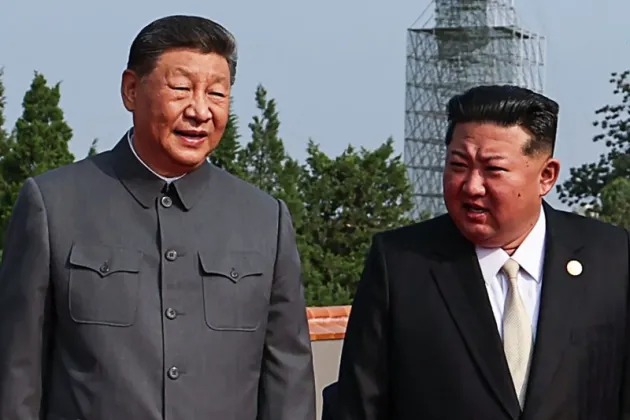
South Korea has stepped up monitoring after indications emerged that North Korean leader Kim Jong Un may visit China, according to reports published on November 28, 2026. The reports did not specify whether a trip had been confirmed, when it might take place or what its purpose could be. The move reflects Seoul’s attention to developments in relations between North Korea and China, which have implications for regional security and diplomacy.
Monitoring amid uncertainty
The reports describe South Korea’s response as increased monitoring following signals of a possible visit. They do not provide details about the specific indications that prompted the move or identify the agencies involved. Nor do they say that Kim has made a decision to travel. The available information therefore points to heightened attention in Seoul, rather than confirmation of a planned meeting or a completed diplomatic arrangement.
That distinction is important because the reported trip remains uncertain. No dates, itinerary, venue or agenda were provided. The reports also did not say whether any preparations had been announced by Pyongyang or Beijing. Without those details, the potential visit remains a development to watch, not an event with a confirmed schedule or stated objectives.
Regional and diplomatic significance
South Korea’s increased monitoring reflects the attention its authorities are giving to North Korea-China ties. As the summary of the reports notes, changes in those relations can carry implications for regional security and diplomacy. A possible visit by Kim would therefore be relevant to Seoul, even while its timing and purpose remain unknown.
The reporting, however, does not describe any specific security measure, diplomatic response or assessment by South Korean officials. It also offers no account of how China or North Korea has characterized the possibility of a visit. Readers should not treat the monitoring as proof of a particular outcome or interpret it as evidence that the two governments have agreed on a new initiative.
Key details remain unclear
The central facts reported so far are limited: South Korea has stepped up monitoring, the move followed indications that Kim may visit China, and the reports were published on November 28, 2026. The timing and purpose of any trip were not specified. The reports also leave open whether the indications refer to preliminary speculation or more concrete signs of travel planning.
Until further information is reported, the possible visit should be understood as unconfirmed. Any subsequent announcement about a schedule, agenda or official preparations could clarify what the signals mean and how the development may affect regional diplomacy. For now, Seoul’s increased monitoring underscores the attention being paid to North Korea-China relations, while the details needed to assess a potential visit remain unavailable.