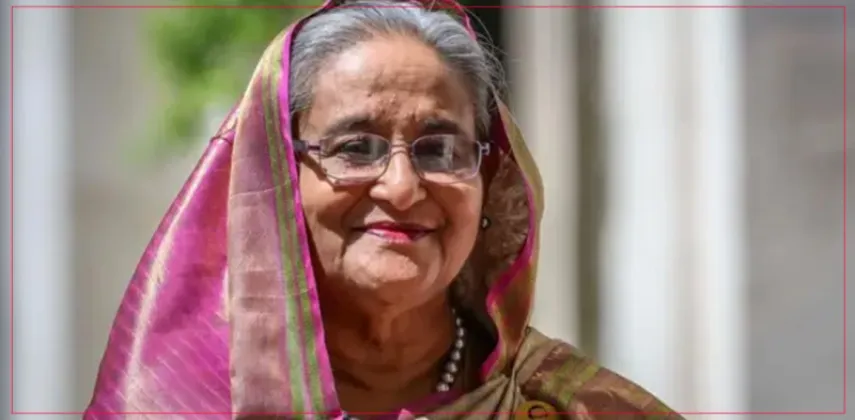
Former Bangladeshi Prime Minister Sheikh Hasina, who has been living in exile in India since August 5, 2024, has announced that she will return to Bangladesh on December 16. The announcement, made from Delhi, carries significant political weight, as December 16 is observed in Bangladesh as Victory Day, commemorating the country's independence from Pakistan in 1971.
Hasina, whose departure last year followed the mass uprising that ended her long rule, has also appealed to the current interim government to send a Biman Bangladesh Airlines aircraft from Delhi to bring her home. Her planned return, however, is fraught with legal danger: she has been sentenced to death in absentia on charges of crimes against humanity, meaning she could face immediate arrest upon arrival.
A Symbolically Charged Date
The choice of December 16 is loaded with historical and political meaning. Victory Day marks the surrender of Pakistani forces in 1971 and the birth of independent Bangladesh, an achievement with which Hasina's family and her Awami League party have long been closely identified. Her father, Sheikh Mujibur Rahman, is regarded as the father of the nation, and Hasina's return on this date appears designed to reclaim that legacy at a moment when her political future is deeply uncertain.
Since her ouster, Bangladesh has been governed by an interim administration, and the Awami League has faced sweeping setbacks, including the legal proceedings against Hasina herself. The death sentence handed down in absentia for crimes against humanity has been the most dramatic of these developments, underscoring how completely the political landscape has shifted since her fall.
A Risky Homecoming
Hasina's request for a Biman Bangladesh Airlines flight from Delhi places the ball in the interim government's court. By making her travel arrangements a formal request to the authorities in Dhaka, she has effectively challenged the current government to either facilitate her return or publicly refuse to do so. Should she set foot in Bangladesh, the death sentence raises the immediate prospect of arrest and detention.
Her more than year-long exile in India has been a point of friction between the two neighbouring countries, with the question of her status and possible return hanging over bilateral relations. An announcement of a specific return date, and on so symbolic a day, is likely to intensify debate within Bangladesh about her fate and the stability of the political transition underway.
What Lies Ahead
Whether Hasina will actually be able to fly back remains unclear. The interim government's response to her appeal for a national carrier aircraft, and its willingness to allow her entry, will determine whether the December 16 announcement becomes a historic homecoming or remains a symbolic gesture. For now, the declaration alone has injected new tension into Bangladesh's post-transition politics, reviving questions of accountability, legacy and national reconciliation just ahead of Victory Day.