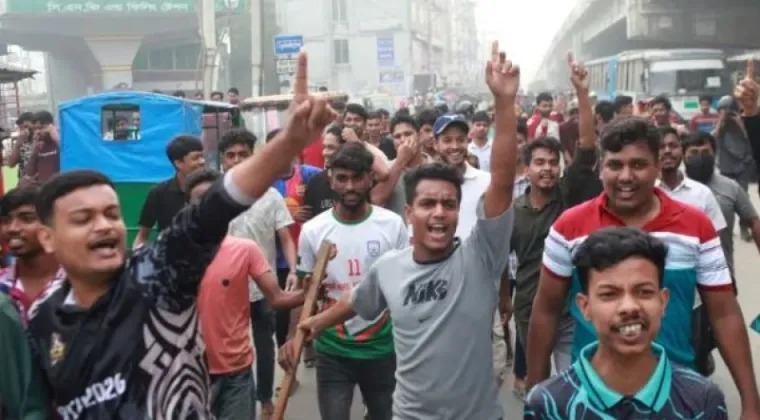
Garment worker representatives in Bangladesh have rejected the minimum wage proposed by employers, saying the amount offered at Monday's meeting of the government Minimum Wage Board was far below what workers are demanding. The rejection deepens an ongoing standoff in the country's vital garment industry, with around 500 factories remaining closed amid the dispute.
The development, reported by Nepali news outlets on November 24, 2026, highlights the continuing tension between factory owners and the workers who power one of the world's largest garment-exporting sectors. Worker representatives who attended the wage board meeting made clear that the employers' offer does not meet their expectations, and they refused to accept it as a basis for agreement.
Wage Board Meeting Ends Without Agreement
The Minimum Wage Board, the government body responsible for setting the minimum wage for garment workers, convened on Monday with both employer and worker representatives at the table. During the meeting, employers put forward their proposed wage figure, which was immediately met with resistance from the worker side.
Worker representatives said the amount proposed was far below their demand, which is why they rejected it outright. The failure to reach a consensus means the wage dispute remains unresolved, and the responsibility now falls back on the wage board process to find a middle ground between the two sides.
With no agreement in sight, the wage question continues to hang over an industry that employs millions of workers, most of them women, and produces a large share of the clothing sold in global markets. Wage reviews in the sector have historically been contentious, with negotiations often stretching over months before a final determination is announced.
500 Factories Remain Closed
The wage standoff is already having a tangible impact on production. Around 500 garment factories in Bangladesh remain closed as the dispute continues, according to the report. The closures represent a significant disruption to an industry that is central to Bangladesh's economy and its export earnings.
The scale of the shutdowns underscores how high the stakes are in the wage negotiation. Prolonged closures affect not only factory owners and international buyers, but also the workers themselves, who depend on regular wages for their livelihoods. Each day that factories remain shuttered adds pressure on all parties to find a resolution.
The garment sector has been the backbone of Bangladesh's economic growth for decades, and any large-scale interruption to production sends ripples through supply chains that connect Bangladeshi factories to major international clothing brands and retailers.
Workers Hold Firm on Their Demand
For the worker representatives, the rejection reflects a position that the employers' proposal simply does not go far enough to meet the needs of garment workers facing rising living costs. Their decision to refuse the offer signals that they are prepared to keep pressing for a higher figure rather than accept what they consider an inadequate amount.
The workers' demand and the employers' offer now stand as the two competing positions before the Minimum Wage Board. The board's role is to weigh the submissions from both sides and arrive at a minimum wage determination that is legally binding for the industry.
The rejection was reported by Nepali media on November 24, 2026, drawing attention in the region to a dispute with implications far beyond Bangladesh's borders. Nepal and Bangladesh share a stake in South Asia's labour and trade landscape, and developments in the region's largest garment-exporting country are closely watched by labour observers and businesses alike.
What Comes Next
Attention now turns to the next steps in the Minimum Wage Board process. Worker representatives have made their position clear, and employers have put their proposal on record, leaving the board to navigate between the two. Whether a revised offer emerges in subsequent meetings, or whether the board moves to impose a determination, remains to be seen.
In the meantime, the closure of around 500 factories serves as a stark reminder of the cost of the impasse. For millions of garment workers, factory owners, and the broader Bangladeshi economy, the resolution of the wage dispute is one of the most closely followed issues in the country's industrial sector.
- Worker representatives rejected the employers' minimum wage proposal at Monday's Minimum Wage Board meeting
- The offered amount was described as far below the workers' demand
- Around 500 garment factories remain closed amid the dispute
- The development was reported by Nepali outlets on November 24, 2026
As the wage board process continues, both sides face mounting pressure to bridge the gap and bring the closed factories back into operation.