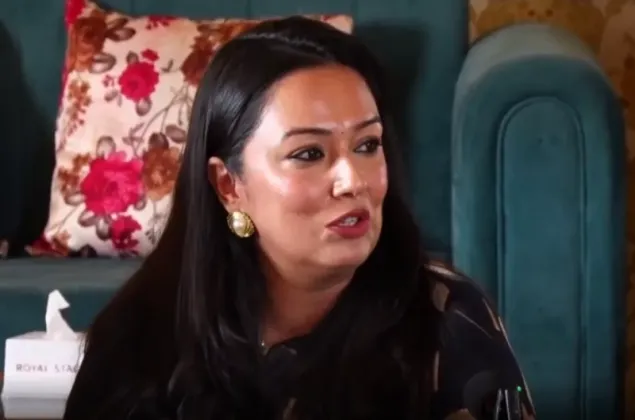
Rastriya Prajatantra Party (RPP) chief whip Khusbu Oli said on Thursday in Kathmandu that Parliament has not held effective discussions on lawmaking, arguing that continued reliance on old laws has created policy obstacles. Speaking with journalists, she also called for opposition-proposed amendments to be discussed and improved in the House rather than routinely rejected.
Calls for stronger lawmaking debate
Oli’s remarks focused on the quality of parliamentary discussion around legislation. She said effective debate on lawmaking has been lacking, placing attention on whether Parliament is giving proposed laws the consideration needed before they are advanced. Her criticism points to a distinction between having legislative business before lawmakers and examining it through discussion in the House.
She linked the problem to the continued use of old laws, saying that working under them has created obstacles in policy. Her comments present lawmaking and the existing legal framework as connected concerns: in her view, a lack of effective legislative discussion is occurring alongside difficulties associated with relying on older laws.
Oli did not, in the remarks described, identify particular laws or policy areas affected. Her broader point was that the issue should be addressed through more effective parliamentary discussion. That would make debate over legislation, as well as the treatment of proposed changes, central to the way lawmakers consider policy.
Opposition amendments should be discussed
The RPP chief whip also questioned the parliamentary practice of rejecting amendments proposed by the opposition. She said such proposals should instead be resolved through discussion in the House and improved there. The emphasis in her statement was on consideration and deliberation, rather than rejecting amendments without working through them in Parliament.
Amendments are proposals to change the text or substance of a measure under consideration. In calling for opposition amendments to be discussed and improved, Oli argued for treating them as part of the legislative process. Her position is that the House should provide a forum to examine proposed changes and address them through debate.
Her remarks also connect the treatment of amendments with the wider concern about the effectiveness of lawmaking discussions. If opposition proposals are rejected rather than discussed, the opportunity for debate that she is calling for is reduced. Oli’s appeal was for lawmakers to use House discussions to work through those proposals and improve them, rather than allow rejection to substitute for deliberation.
Emphasis on the role of Parliament
Oli’s comments put the responsibility for addressing these concerns within Parliament. She called for discussion in the House both on lawmaking and on opposition amendments, describing deliberation as the way to resolve and improve proposals. The statement does not set out a specific legislative measure or a timetable for action, but it makes clear her concern about the way legislative issues are being handled.
The remarks were made to journalists in Kathmandu on Thursday. They reflect the RPP chief whip’s assessment that effective discussion has been missing and that reliance on old laws has produced policy obstacles. Her proposed approach is to make more use of debate in the House, including by considering opposition amendments rather than rejecting them outright.
The core of Oli’s message is that Parliament should not treat legislative debate as a formality. In her view, discussion is needed to address the obstacles associated with old laws and to give proposed amendments a chance to be examined and improved. She urged lawmakers to resolve those matters through deliberation in the House.