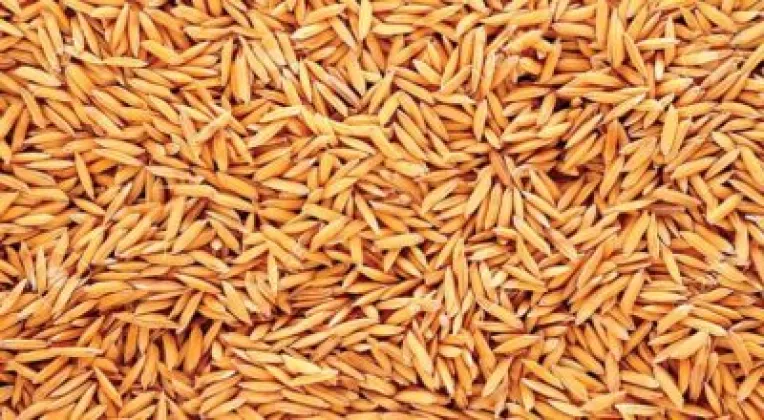
The paddy procurement process has not yet begun in Banke district, with the Nepalgunj-based unit of the Food Management and Trading Company Limited (FMTCL) sitting idle even as the procurement season is already underway elsewhere. The company's central office has set a quota to purchase only half the quantity of paddy compared with last year, which has left the Nepalgunj premises deserted with no activity visible on the ground.
Halved quota delays procurement
The Food Management and Trading Company Limited, the state-owned entity responsible for purchasing paddy from farmers for food reserves, has kept its Banke operations on hold pending instructions and quota allocation from its central office. According to reports, the central office has decided to buy only half the quantity of paddy that it procured last year.
The reduced quota means the local unit cannot commence purchasing even though farmers in the district have begun bringing their harvest to market. The Nepalgunj premises, which would normally be busy during the procurement season with farmers, transporters and company staff, currently stand deserted.
Request for 20,000 quintals
The Banke unit has formally communicated with the central office seeking a larger allocation. A request was sent for a quota of 20,000 quintals of paddy for this year, in the hope that procurement could begin at a meaningful scale once approval comes through.
However, until the central office responds to that request and issues the necessary directives, the local unit remains unable to open the purchase process. The delay has raised concerns among farmers who depend on the company's procurement programme to sell their produce at the government-set support price.
Impact on farmers and food reserves
The FMTCL's procurement programme is a key mechanism for providing farmers with a guaranteed market for paddy, particularly in Tarai districts like Banke that are among the country's major grain-producing areas. When procurement is delayed or scaled back, farmers often have little choice but to sell to private traders at whatever price is on offer.
A halved procurement quota in Banke also has implications for national food management. The company purchases paddy to maintain buffer stocks and supply food-deficit areas, and a reduced intake this season could affect the volume of reserves available for distribution.
For now, farmers and locals in Banke are waiting for the central office to finalize the quota and allow the Nepalgunj unit to begin buying paddy. The company has yet to announce when the procurement process will officially start in the district, and the premises remain quiet as the season progresses.