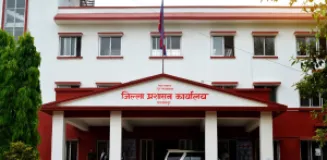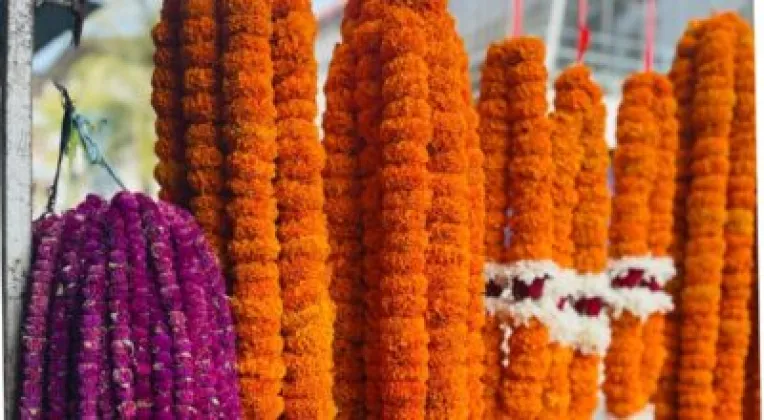
Pokhara Metropolitan City has designated 17 locations for the sale and distribution of marigold flowers and fixed uniform prices for the festival season as residents of the lake city prepare for Tihar. According to Manohar Kadariya, chief of the metropolitan city's Economic Development Division, marigolds will be sold at Rs 500 per kilogram and Rs 200 per garland, with the rates taking effect from the coming Sunday. The arrangement applies to Pokhara Metropolitan City-1 and other designated areas, where the days before Tihar traditionally see a sharp surge in demand for the bright orange blooms used in worship and decoration.
17 Designated Sale Points for the Festival Season
With the festival approaching, the Economic Development Division has completed preparations to sell and distribute marigolds at 17 points across Pokhara. The metropolis has set the points aside so that flower growers and vendors have proper venues during the peak season, and so that buyers can purchase flowers close to their neighbourhoods instead of crowding a handful of familiar markets.
The arrangement covers Pokhara Metropolitan City-1 and other areas identified by the metropolis. Kadariya, who heads the division responsible for the coordination, informed that the sale points and prices were fixed keeping the festival in view, as reported by Khabarhub. The Economic Development Division's announcement effectively sets the framework for this year's festival flower trade in the city.
Uniform Rates: Rs 500 Per Kilo, Rs 200 Per Garland
Under the rates announced by the metropolis, marigolds will be sold at Rs 500 per kilogram, while a garland will cost Rs 200. Both prices come into force from the coming Sunday and apply at the designated sale points.
- Loose flowers: Rs 500 per kilogram
- Garland: Rs 200 per garland
Announcing the rates in advance is intended to serve both sides of the festival flower trade. For buyers, published prices provide a benchmark at a time when demand spikes in the final days before Tihar and temporary stalls appear across the city. For growers and traders, a common rate across the sale points reduces the uncertainty of last-minute bargaining and helps the season's sales proceed smoothly. Fixed-price announcements of this kind have become a routine part of festival preparations in Nepali municipalities, where flower markets are highly seasonal and concentrated around Tihar.
Marigolds at the Heart of Tihar
Marigolds, known locally as sayapatri, occupy a central place in Tihar, the five-day festival of lights. Garlands of the flower are used to decorate homes, shops and public spaces, and are offered during the worship of Laxmi, the goddess of wealth, on the festival's most important night. During the days devoted to the crow, the dog, the cow and the ox, garlands are placed around the necks of the animals as a gesture of honour. When sisters put tika on their brothers during Bhai Tika, garlands are among the gifts exchanged, and they are also laid on the photographs of deceased family members.
Tihar is celebrated with oil lamps, colourful rangoli, deusi and bhailo songs, and the exchange of garlands and sweets, and it is second only to Dashain in its place in Nepal's festival calendar. Because nearly every household buys flowers during the week, the festival accounts for a large share of annual marigold sales.
For flower-growing households around Pokhara, the weeks before Tihar are among the busiest of the year. Marigold cultivation gives farmers a seasonal cash crop, and the festival market largely determines how rewarding the harvest will be. Designated sale points and standard prices are therefore closely watched by both the farming community and consumers, since they shape how the season's trade is conducted.
An Orderly Market for the Festival
The metropolis's arrangement means residents of Pokhara will this year find marigolds at 17 fixed locations, at Rs 500 per kilogram and Rs 200 per garland, from Sunday onwards. The announcement, also covered by RatoPati and Nagarik News, brings the sale of the festival's most recognisable flower under a single set of rules for the season.
As Tihar draws nearer, the designated points are expected to serve as the main hubs for marigold sales in Pokhara, with the fixed rates in place for the duration of the arrangement. Buyers stand to benefit from predictable prices during the peak days of the festival, while growers gain clearly identified venues at which to bring their flowers to market.