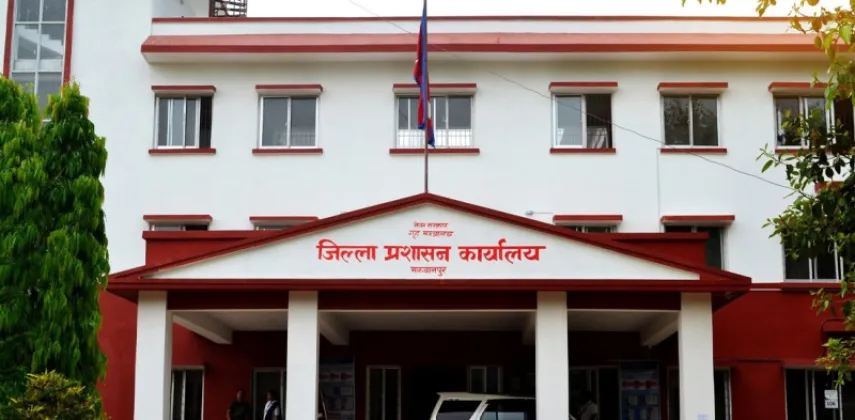
The District Administration Office (DAO), Makwanpur has fixed 9 pm as the deadline for playing Deusi-Bhailo during the Tihar festival, announcing that no such performances or other cultural programmes will be permitted after that hour anywhere in the district. The directive is part of a set of measures issued by the office with the stated aim of making the Tihar, Nepal Sambat and Chhath festivals dignified, peaceful and safe, according to reports carried by Ratopati and Gorkhapatra Daily.
Night-time programmes must end by 9 pm
The order from the DAO, Makwanpur draws a clear line for revellers: Deusi-Bhailo teams and organisers of cultural programmes must wind up their activities by 9 pm. Deusi-Bhailo is traditionally performed after dark, with groups of singers and dancers moving from one household to the next through neighbourhoods, so the deadline effectively determines how long the revelry can continue on each evening of the festival.
According to the announcement, the restriction applies across the district. It covers not only Deusi-Bhailo, the signature musical custom of the Tihar season, but also other cultural programmes organised around the festivities. The administration has presented the decision as one of several directives issued ahead of the festivals rather than a standalone rule, indicating that the office has put in place a broader set of arrangements for the entire festive period.
Aiming for dignified, peaceful and safe celebrations
The stated purpose behind the directives is to ensure that the festivals are observed in a dignified, peaceful and safe manner. The Tihar stretch is among the busiest periods of the Nepali festival calendar. Homes are lit with lamps and decorative lights, markets remain crowded late into the evening, and public spaces host cultural events of every scale. By fixing a cut-off time for night-time programmes, the district administration seeks to keep the celebrations orderly while allowing the traditions to flourish within permitted hours.
Makwanpur is home to diverse communities, and all three festivals named in the directive are observed in the district. Tihar, the five-day festival of lights, is celebrated across the country with the worship of the crow, dog, cow and ox, the Laxmi Puja and the concluding Bhai Tika. Nepal Sambat, the Newar new year, falls within the same stretch and is marked with Mha Puja among Newar households. Chhath, the sun-worship festival observed with particular devotion in the Madhes community, follows soon after. Issuing a single set of directives covering all three allows the administration to address the full festive window at once, from Tihar through Nepal Sambat to Chhath.
Deusi-Bhailo: a tradition of song, light and community
For generations, Deusi-Bhailo has defined the soundscape of Tihar nights. Householders welcome the visiting teams, offer sel roti, fruits, sweets and money, and receive blessings in return, while performers sing songs that praise the household and recount legends associated with the festival, often accompanied by drums, cymbals and other instruments. Bhailo is traditionally sung on the night of Laxmi Puja, with Deusi rounds taking place on the other evenings of the festival.
The custom can stretch late into the night, particularly in towns where multiple groups tour the same neighbourhoods one after another. It is precisely this night-long character that the new deadline is set to regulate. Revellers in Makwanpur will now need to plan their rounds so that their final songs conclude by 9 pm, and the same limit applies to organisers of cultural programmes staged during the festival season.
What revellers and organisers should know
The key points of the District Administration Office's directive are:
- Deusi-Bhailo and other cultural programmes will not be allowed after 9 pm in Makwanpur district.
- The deadline has been fixed by the District Administration Office, Makwanpur.
- The directives cover the Tihar, Nepal Sambat and Chhath festivals together.
- The stated objective is to make the festivals dignified, peaceful and safe.
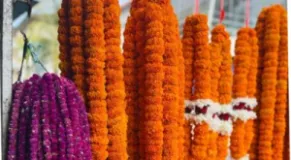
With Tihar at hand and households across the district preparing lamps, garlands and festive decorations, the administration's message is that the celebrations should proceed with enthusiasm but within the framework of the new rules. Those taking part in Deusi-Bhailo rounds are expected to complete their visits before the deadline each night, and organisers of cultural programmes are expected to schedule events so that they conclude on time. Observed within these limits, the festivities in Makwanpur are intended to retain their colour and joy while the district remains peaceful and safe throughout the festival season.