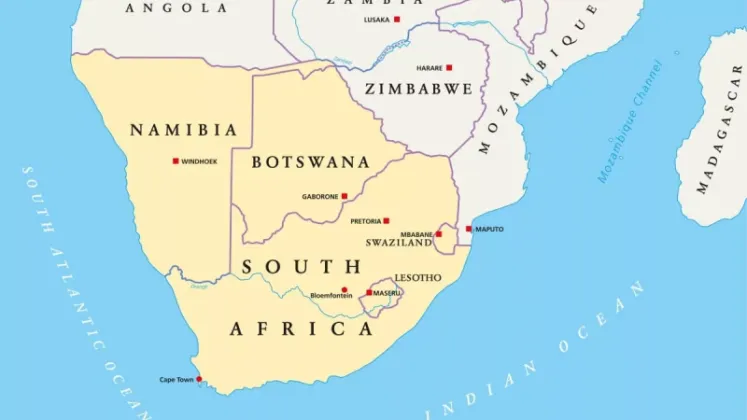
More than 500 people have fallen ill after drinking contaminated water in two South African cities, and most of those affected are children under four years old. The largest share of cases has been recorded in the eastern part of the capital, Pretoria, where 408 people became sick, prompting authorities to warn residents not to use tap water. Officials said the water became unsafe because chlorine was not used at a water treatment plant for about three weeks, after the municipality failed to receive the chemical from its regular supplier. The episode has turned a failure in the supply of a routine treatment chemical into a public health incident that is weighing most heavily on the country's youngest children.
The Outbreak So Far
The eastern part of Pretoria has borne the brunt of the contamination. Of the more than 500 people reported ill across the two cities, 408 cases were recorded in this part of the capital alone, according to officials and reports by Ratopati. The figures point to a supply problem concentrated in the area served by the affected treatment plant rather than a widespread failure across the country's water systems.
The most striking feature of the outbreak is the age of the victims. Most of those who fell ill are children under four years old, a group that faces the greatest danger from unsafe water. Very young children are less able to withstand the infections that contaminated water can spread, and illnesses caused by bacteria and other pathogens in drinking water can develop quickly and become serious in infants and toddlers.
Authorities issued the warning against using tap water as the number of cases climbed, a sign of how quickly the absence of disinfection at a single plant translated into illness across hundreds of households in the affected neighborhoods.
What Officials Have Confirmed
- More than 500 people have fallen ill after drinking contaminated water in two South African cities.
- Most of those affected are children under four years old.
- 408 cases were recorded in the eastern part of Pretoria, the capital.
- Authorities have warned residents not to use tap water.
- Chlorine was not used at a water treatment plant for about three weeks after the municipality failed to receive it from its regular supplier.
Three Weeks Without Chlorination
Officials traced the contamination to a breakdown in the treatment process rather than in the water source itself. According to the authorities, the municipality failed to receive chlorine from its regular supplier, leaving a water treatment plant to operate without the chemical for approximately three weeks. During that period, water distributed to homes in eastern Pretoria went without the disinfection step that normally makes it safe to drink.
The role of chlorine in municipal water systems is fundamental. Added at treatment plants, it kills bacteria, viruses and other microorganisms that can cause gastrointestinal disease, and it is one of the most widely used safeguards for public drinking water around the world. When chlorination stops, pathogens that would normally be eliminated can pass through the network and reach consumers, and the risk grows with every day the gap continues. In this case, officials said, roughly three weeks without chlorine was enough for the water to become unsafe.
That a delivery failure, rather than a fault at the plant itself, was behind the lapse has drawn attention to how dependent safe drinking water is on the smooth arrival of treatment chemicals. A single missing consignment from a supplier left an entire treatment process without disinfection, and the consequences soon became visible in a tally of illness that quickly surpassed 500 people.
Residents Told to Avoid Tap Water
As the scale of the contamination became clear, authorities moved to warn residents not to use tap water. The advisory covers the eastern part of Pretoria, where the 408 cases were recorded, and directs households away from the supply that flowed from the under-treated plant.
A warning of this kind upends daily routines. Families must find alternative water for drinking, cooking and preparing food, and the burden falls hardest on households with small children, who make up most of the victims in this outbreak. Keeping infants and toddlers away from tap water in any form becomes an urgent priority for parents in the affected neighborhoods until the supply is declared safe again.
The advisory also reflects the limits of what authorities can do once water has passed through the network without proper disinfection. Restoring the chlorine supply addresses the source of the problem, but households remain exposed until the treatment process is fully back in place and the water is confirmed safe for everyday use.
Questions Over a Single Missing Shipment
Beyond the immediate health toll, the incident has raised pointed questions about how a municipality could go without a chlorine delivery for roughly three weeks, and what contingency measures exist when a regular supplier fails. Safe drinking water depends on an unbroken chain that runs from chemical suppliers to treatment plants to household taps. The outbreak in Pretoria demonstrates how one broken link in that chain can put an entire community at risk, with the danger falling disproportionately on children too young to protect themselves.
For now, the message from authorities to residents of the affected areas is unambiguous: do not use tap water. Attention in the coming days will focus on whether the chlorine supply has resumed at the treatment plant, whether the advisory can be lifted, and whether the number of new cases begins to decline as households switch to safer sources of water.