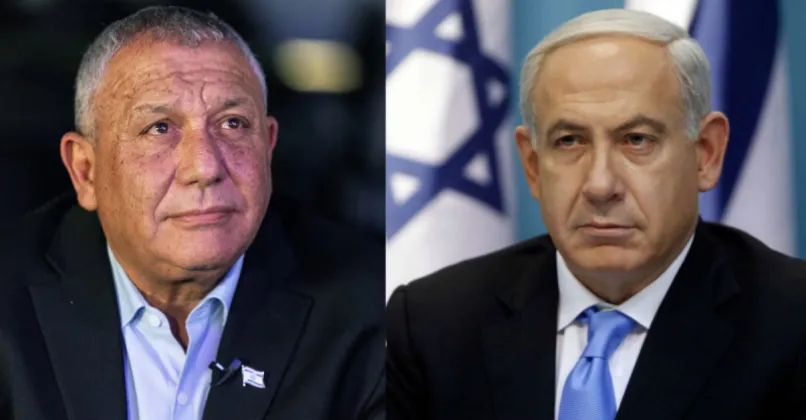
Israeli Prime Minister Benjamin Netanyahu has said he is ready to let opposition figure Gadi Eisenkot serve as prime minister first under a proposed rotation arrangement, a move seen as an attempt to break the country's prolonged political deadlock. According to the proposal, Eisenkot would lead the government for the first two years of a term, after which Netanyahu would take over the premiership for the following two years.
A Rotation Offer at the Center of Israel's Deadlock
The offer represents a notable shift for Netanyahu, who has long resisted arrangements under which he would serve second in a power-sharing deal. By proposing that Eisenkot hold the post first, the veteran leader is signaling flexibility in the composition of a potential coalition, though the arrangement would still leave him positioned to return to the top job midway through the term.
The two-year-each split mirrors the framework Netanyahu himself endorsed in past political deals, most prominently the 2020 rotation agreement that briefly saw him share power with Benny Gantz. Such arrangements have become a recurring feature of Israeli politics as rival blocs have struggled to secure clear governing majorities.
Opposition Remains Unconvinced
Despite the gesture, the opposition has so far remained unconvinced by the offer. Critics within the opposition camp view rotation proposals with skepticism, questioning whether Netanyahu would honor such an arrangement if he regained the premiership mid-term. Similar doubts shaped negotiations in earlier coalition talks, where rotation deals repeatedly failed to translate into lasting partnerships across political lines.
For Eisenkot, the proposal places him at the center of discussions about the future direction of Israeli politics. A former military chief of staff, Eisenkot has emerged as a prominent voice in the opposition, and any decision on his part to accept or reject Netanyahu's offer would carry significant weight for the broader anti-Netanyahu bloc.
What Comes Next
As it stands, Netanyahu's readiness to cede the first two years of a rotation is being read as an opening bid rather than a done deal. The opposition's cool response suggests that a governing agreement remains distant, and the proposal is likely to become a focal point in ongoing negotiations over who will form Israel's next government.
With trust between the two sides in short supply, the burden now falls on opposition figures to weigh whether a two-year pledge from Netanyahu is credible enough to underpin a coalition. Until then, the offer stands as one of the most consequential cards played in the effort to resolve Israel's political stalemate.
For further details, see the original report at Setopati.