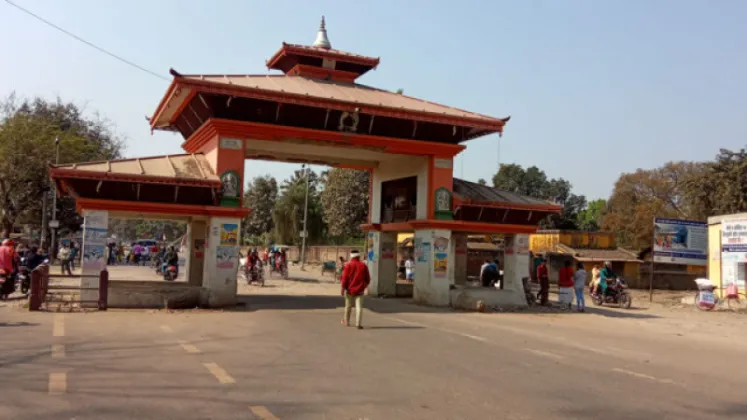
Nepali shoppers have become fewer at Rupaidiha, an Indian market near the Nepal border, after authorities tightened customs checks on goods brought into the country. At the Jamunaha border point in Nepalgunj, travellers are now required to pay customs duty on purchases that exceed the prescribed duty-free limit, slowing activity on the Indian side of the border.
Customs checks change cross-border shopping
The stricter enforcement applies to goods travellers bring back from India. People crossing through Jamunaha must comply with the customs allowance, and goods above that limit are subject to duty. Reports citing the rule say customs duty is imposed on goods worth more than Rs 100.
The change has made the border crossing a more significant part of a shopping trip. Travellers returning from Rupaidiha can no longer assume that purchases will pass without a customs charge if they exceed the permitted allowance. They must account for the rule when bringing goods into Nepal.
The checks are being enforced by authorities at Jamunaha, the border point serving Nepalgunj. The requirement concerns imported goods carried by travellers and is part of the government’s tighter enforcement of customs regulations. The reported limit and duty requirement have brought the rules into focus for Nepalis who shop across the border.
Market activity slows in Rupaidiha
The decline in Nepali visitors has slowed activity in Rupaidiha, which lies on the Indian side of the border. The market’s connection to shoppers from Nepal means that tighter checks at the crossing are affecting the flow of customers there. With fewer Nepalis making the trip, market activity has eased.
The change illustrates how enforcement at a border point can influence shopping across the boundary. Rupaidiha is in India, but the purchases of Nepali visitors must pass through Nepal’s customs rules when they return. The stricter checks at Jamunaha therefore have a direct bearing on the practical appeal of shopping in the neighbouring market.
Duty-free limit at the centre of the change
The customs requirement is focused on purchases above the prescribed duty-free threshold, rather than on shopping in Rupaidiha itself. Travellers remain able to cross the border, but goods they bring back may incur duty if their value exceeds the allowance. The reported Rs 100 figure has become a central point in accounts of the new enforcement.
The available information does not provide figures for the scale of the decline in shoppers or the amount of business lost by the market. It does, however, describe a slowdown following the tighter checks and links that change to the duty requirement. The immediate effect reported is fewer Nepali customers visiting Rupaidiha and less activity on the Indian side.
For travellers, the key consideration is whether their purchases fall within the duty-free limit. For the border market, the change has meant fewer Nepali shoppers under the stricter enforcement. The situation at Rupaidiha now reflects the impact of customs rules applied at Jamunaha, where authorities are requiring duty on goods that exceed the prescribed allowance.