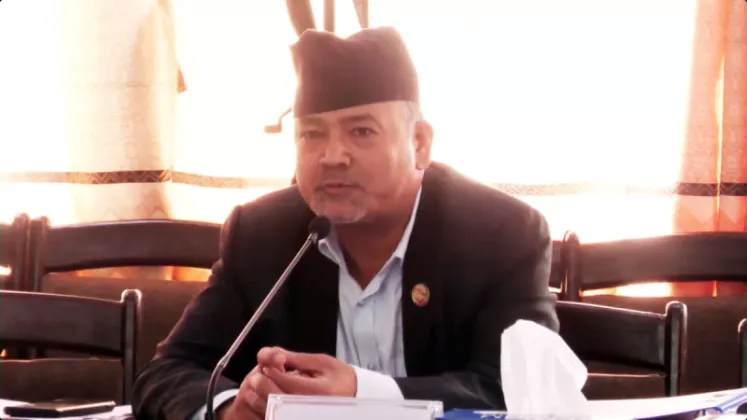
Nepali Communist Party lawmaker Narbahadur Bista questioned proposed ambassador to Israel Suresh Kumar Karna at a parliamentary hearing committee meeting in Kathmandu on Tuesday, asking what plans he would pursue to modernise Nepal’s agriculture sector and bring Israeli technology and investment into the country. Bista’s questions placed agricultural cooperation among the issues raised as lawmakers examined Karna’s proposed diplomatic appointment.
Questions on agriculture and technology
Bista asked Karna to outline how Nepal could benefit from Israeli agricultural technology and investment. His questions focused on two connected priorities: using technology to support the modernisation of Nepal’s agriculture sector and attracting investment from Israel. The exchange brought attention to how a proposed ambassador might approach economic and technical cooperation between the two countries.
The questions were directed at Karna during the parliamentary hearing, rather than being presented as a separate government announcement or an agreed programme. The details provided about the meeting do not set out a specific plan from Karna, a timeline for cooperation or any commitments made by either country. Bista’s intervention was framed around what Karna would do in the ambassadorial role to advance the areas he raised.
Agriculture was the central focus of Bista’s questions. He asked how Israeli technology could be brought to Nepal to help modernise the sector, and also asked about bringing in Israeli investment. The two elements were raised together, pointing to an interest in both technical support and financial participation. The hearing account does not identify particular technologies, investment projects or agricultural subsectors discussed at the meeting.
Hearing puts proposed envoy’s priorities under scrutiny
The meeting in Kathmandu was a parliamentary hearing committee session for Karna, who has been proposed as Nepal’s ambassador to Israel. Bista’s questions formed part of the scrutiny of the proposed envoy and focused on the practical objectives he might pursue if appointed. Rather than asking only about the diplomatic relationship in general, the lawmaker pressed for an account of how the posting could relate to a specific domestic priority: agricultural modernisation.
The exchange also raised the question of how Nepal might translate diplomatic engagement into cooperation with a direct connection to its agriculture sector. Bista asked about the role of Israeli technology and investment, but the information available about the hearing does not describe a formal bilateral initiative or an existing agreement. It therefore remains a question raised during Karna’s hearing, not a report of a programme already under way.
No further details about Karna’s response, the committee’s decision or the next steps in the appointment process are included in the account of the meeting. Bista’s intervention nevertheless made clear the areas on which he sought a plan: agricultural modernisation, access to Israeli technology and the possibility of Israeli investment. The questions placed those issues on the record as lawmakers considered the proposed ambassador’s role.
The exchange was reported by Ratopati.