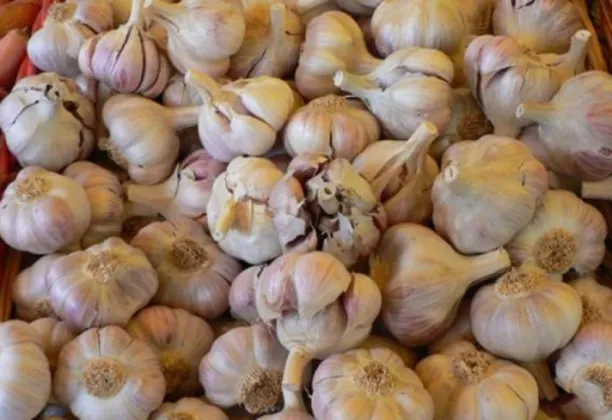
Kathmandu, Nepal has imported garlic worth more than 1.16 billion rupees in just the first four months of the current fiscal year 2083/84, underlining the country's continued heavy dependence on foreign supplies for one of the most widely used kitchen commodities. According to data published by the Department of Customs, 7,438 tonnes of garlic entered Nepal between Shrawan and the end of Kartik.
The scale of the outflow is significant for a commodity that can be grown domestically, and the figures have once again highlighted the imbalance between Nepal's agricultural production capacity and its consumption needs. Alongside the import bill, the state collected about 28.27 million rupees in customs revenue from these shipments during the review period.
Import Volume and Revenue Details
The Department of Customs data shows that the country brought in 7,438 tonnes of garlic from Shrawan to the end of Kartik, the first four months of fiscal year 2083/84. The total value of these imports crossed 1.16 billion rupees, making garlic one of the notable agricultural import items of the period.
While the imports represent a substantial expenditure of foreign currency reserves, they also contributed to government coffers. Customs officials collected approximately 28.27 million rupees in revenue from garlic imports during the four-month window. The revenue figure, however, remains small compared to the total value of the goods that left the country.
The data published by the Department of Customs is used to track the flow of goods across Nepal's border points and provides a periodic snapshot of the country's trade position. Garlic, a staple ingredient in Nepali households and kitchens across the country, features regularly in these trade statistics because domestic production falls short of year-round demand.
Growing Reliance on Imported Commodities
Nepal's dependence on imported garlic is part of a broader pattern in which the country imports large volumes of agricultural goods that could, in principle, be produced at home. Garlic is cultivated in several districts of Nepal, and farmers in hill and mountain regions have traditionally grown it both for household use and for sale in local markets. Despite this, domestic output has not been able to meet the demand generated by the country's population, leaving a gap that is consistently filled by imports.
The four-month import figure of over 1.16 billion rupees suggests that the trend has continued into the current fiscal year. For a country that has repeatedly expressed the goal of reducing its trade deficit and boosting agricultural self-sufficiency, such import bills for everyday food items remain a point of concern for policymakers and agriculture sector observers alike.
Each import consignment not only drains foreign currency but also affects local farmers, who often struggle to compete with imported produce available in the market. The persistent inflow of foreign garlic has been a recurring theme in Nepal's trade statistics in recent years, and the latest figures indicate that the pattern is unchanged as the new fiscal year progresses.
What the Numbers Mean
Breaking down the figures, the 7,438 tonnes imported over four months translates into a steady and continuous flow of garlic through Nepal's customs points. The average value per shipment reflects the market price of the commodity, and the 28.27 million rupees in customs revenue indicates the tariff collection associated with these transactions.
The data covers the period from Shrawan, the first month of the Nepali fiscal year, through the end of Kartik, the fourth month. This is the standard reporting window used by the Department of Customs for its first four-month trade updates, which are closely watched by economists, traders, and government agencies for signs of trends in imports and exports.
The Road Ahead for Domestic Production
The continued high volume of garlic imports raises familiar questions about Nepal's agricultural policy and the support available to domestic farmers. Increasing local production of garlic would require investment in quality seeds, farming inputs, storage facilities, and market linkages, areas where stakeholders have long demanded stronger intervention.
Until domestic supply improves, imports are likely to remain the primary source of garlic for Nepali consumers. The Department of Customs will continue to publish its periodic trade data, and the figures for the remaining months of fiscal year 2083/84 will show whether the current pace of garlic imports, valued at more than 1.16 billion rupees in just four months, persists through the year.
For now, the latest numbers serve as a reminder of both the scale of Nepal's agricultural import bill and the revenue the state manages to collect from it. As consumption of garlic remains constant in households and businesses across the country, the commodity will continue to feature prominently in the trade ledger unless domestic production expands to meet demand.
The full import statistics, including the 7,438 tonnes figure and the revenue collection of about 28.27 million rupees, are available through the Department of Customs, which compiles and publishes such data on a regular basis for the public and relevant stakeholders.