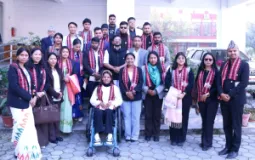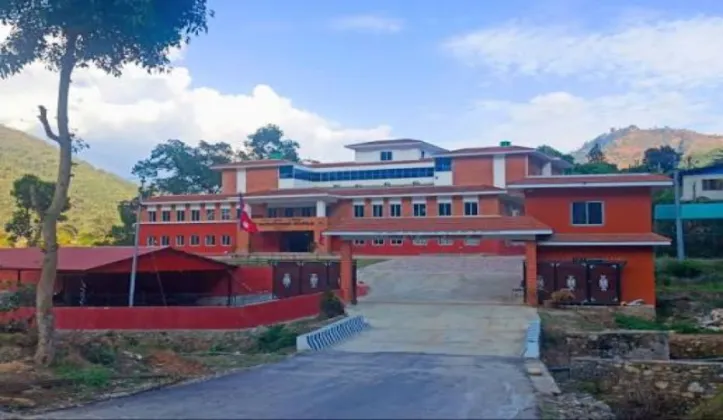
National Assembly Chair Narayan Prasad Dahal has praised the efforts of Benighat Rorang Rural Municipality in Dhading district to bring children of the marginalized Chepang community into the mainstream of education. Speaking at an educational felicitation and award distribution program organized by the rural municipality, Dahal described the initiatives undertaken by the local level as commendable, noting that such efforts address a long-standing gap in educational access for one of Nepal's most disadvantaged indigenous communities.
Poverty and Geography Cited as Barriers
In his address, the National Assembly Chair pointed out that poverty and geography have historically kept the children of the Chepang community away from education. The Chepang, one of Nepal's highly marginalized indigenous nationalities, largely reside in remote and hilly areas, including parts of Dhading, Chitwan, Makwanpur and Gorkha districts, where difficult terrain and economic hardship have long limited access to schools and other basic services.
Dahal's remarks underscored that the challenge of educational exclusion is not merely a matter of enrollment figures, but is rooted in structural conditions that families in the community face daily. He suggested that the local government's initiatives to reach these children mark an important step in overcoming those barriers.
Felicitation and Award Program in Dhading
The program where Dahal made these comments was an educational felicitation and award distribution ceremony organized by Benighat Rorang Rural Municipality itself. Such programs, according to the context of the event, are intended to recognize and encourage the participation of Chepang children in education, honoring those who have made progress in their studies and reinforcing the value of schooling within the community.
The event brought attention to the role of local governments in delivering targeted support to marginalized groups. Benighat Rorang, which is home to a significant Chepang population, has been carrying out measures aimed at pulling community children out of educational exclusion and into the formal school system.
Local Government's Role in Inclusive Education
The recognition from the Chair of the National Assembly highlights a broader conversation in Nepal about the responsibilities of local levels in ensuring inclusive education following the country's transition to federalism. With education now a key area of local jurisdiction, rural municipalities such as Benighat Rorang have the authority to design programs suited to the specific needs of their communities, including scholarships, awareness campaigns, and outreach to families historically distant from formal schooling.
Dahal's praise of the rural municipality signals encouragement from the federal level for such locally driven initiatives. By publicly commending the work at a felicitation event, he reinforced the message that bringing marginalized children into the education system is a shared priority across all tiers of government.
Significance for the Chepang Community
The Chepang community has long been among the groups identified in Nepal as facing acute educational disadvantage, with children frequently dropping out of school early or never enrolling due to poverty, distance to schools, and the demands of household livelihoods. Programs aimed at mainstreaming these children into education are therefore seen as critical to improving long-term social and economic outcomes for the community.
The felicitation and award distribution program organized by Benighat Rorang Rural Municipality stands as one example of how local governments can actively work toward that goal. As highlighted by the National Assembly Chair's remarks, sustained efforts at the local level remain essential to ensuring that children from the Chepang community are not left behind in Nepal's education system.