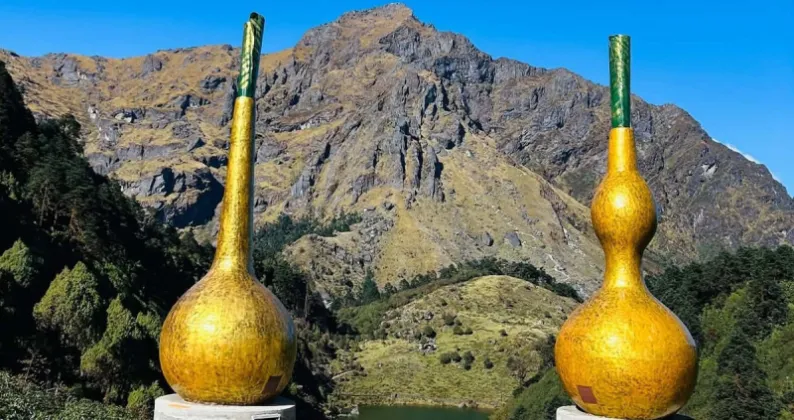
Construction of Mundum structures has begun at Salpa-Silichung, a historic site of the Kirat community, as part of ongoing efforts to develop the area and preserve indigenous knowledge for coming generations. The work is being described as part of the physical development of the historically significant site, which holds deep cultural and religious value for the Kirat people.
According to reports from Setopati, Nepal Lead and Thaha Khabar, the structures are intended to support the study and research of Mundum knowledge for future generations. The reports frame the construction as a step toward institutionalising the transmission of Mundum, the oral tradition and knowledge system of the Kirat community.
What the Mundum Structures Are Meant to Do
The central purpose of the new structures, as outlined in the reports, is to create a physical space dedicated to the study and research of Mundum. For a knowledge tradition that has historically been passed down orally rather than through written texts, such infrastructure is seen as important for ensuring that the tradition is documented, examined and transmitted to future generations.
The reports describe the work as part of the broader physical development of the Salpa-Silichung site. Building dedicated Mundum structures at the historic location signals an effort to link the preservation of indigenous knowledge with the place itself, which carries historic significance for the Kirat people.
Salpa-Silichung: A Kirat Historic Site
Salpa-Silichung is recognised as a historic site of the Kirat community. Sites of this kind serve as focal points for the community's cultural identity, religious practice and collective memory. The decision to locate the Mundum structures at Salpa-Silichung underscores the site's importance as a place where Kirat heritage is honoured and sustained.
While the reports do not provide a detailed timeline or budget for the construction, they consistently present it as part of the physical development of the historic site. This suggests that the Mundum structures are one component of a wider effort to build out infrastructure at Salpa-Silichung.
Why Mundum Preservation Matters
Mundum is the traditional knowledge system of the Kirat people, encompassing their oral histories, rituals, cosmology and social teachings. Like many indigenous oral traditions, it faces the challenge of remaining vital in a changing world. The construction of dedicated structures for its study and research reflects a growing recognition that oral traditions require deliberate institutional support if they are to be studied and passed on intact.
By establishing a physical centre for Mundum-related work at a historic Kirat site, the initiative aims to give future generations a place to engage with the tradition directly. The reports emphasise this forward-looking motivation: the structures are intended to support the study and research of Mundum knowledge for future generations.
Broader Context and Outlook
The construction of Mundum structures at Salpa-Silichung forms part of the physical development of the historic site, according to the reports. This places the project within a wider pattern of developing culturally significant locations in ways that both preserve heritage and create lasting infrastructure.
For the Kirat community, the initiative represents an investment in the continuity of Mundum knowledge. For researchers and students of indigenous traditions, it promises a dedicated venue for study at a location rich in historic meaning. As the physical development of Salpa-Silichung continues, the Mundum structures are expected to stand as a tangible commitment to keeping the Kirat knowledge tradition alive for generations to come.
Further details about the construction, including its progress and completion, are expected to emerge as reporting on the site's development continues through outlets such as Thaha Khabar and Nepal Lead.