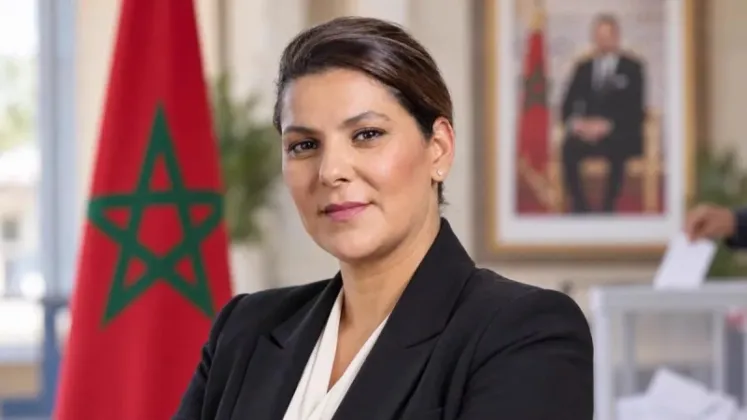
King Mohammed VI has appointed Fatima Zahra El Mansouri as Morocco’s first female prime minister, making her the first woman to hold the country’s highest political office. The decision has been described as a historic advance for women’s political representation, while also renewing debate over whether a woman should lead the government.
A landmark appointment
El Mansouri’s appointment places a woman at the top of Morocco’s government for the first time. Supporters have characterized the King’s decision as a significant moment for political representation, extending the discussion of women’s participation beyond presence in public life and into the highest level of executive leadership.
The significance of the appointment is not limited to the title itself. As prime minister, El Mansouri holds the country’s highest government office, making her leadership a visible test of women’s access to power at the national level. Her appointment has therefore drawn attention both as a historic first and as a decision with wider meaning for the debate about women in politics.
The announcement also places El Mansouri at the centre of a public discussion that goes beyond her individual appointment. The question of whether women should hold the highest political office has resurfaced, showing that the historic nature of the decision is being considered alongside continuing debate about women’s leadership.
Debate over women in the highest office
Reactions to the appointment have reflected two strands of discussion. Some have welcomed it as a step forward for women’s political representation. At the same time, the appointment has reignited debate over whether women should lead at the highest level of government. The two responses underline why the decision has become more than a personnel change: it has made representation and political leadership subjects of renewed public attention.
The debate is centred on access to the top office and what El Mansouri’s appointment represents. Describing the decision as historic emphasizes the significance of a woman becoming prime minister for the first time in Morocco. The questions raised about women holding the office, meanwhile, indicate that the appointment has not ended discussion about women’s place in political leadership.
That debate will now accompany El Mansouri’s position as prime minister. The information available about the appointment does not set out specific policy commitments or describe the arguments made by those questioning women’s leadership. It does, however, establish the central issue raised by the decision: whether this first will be viewed principally as a breakthrough in representation or as a catalyst for a broader discussion about women and political authority.
Significance beyond a first
The appointment has been described as historic because it places a woman in a role no woman in Morocco has held before. That milestone gives El Mansouri’s leadership particular public significance. It also makes the response to her appointment part of a wider conversation about the opportunities available to women in political life and the expectations attached to the country’s highest government office.
For supporters, the King’s decision is a step toward greater representation at the top of government. For those engaged in the debate over women holding the office, the appointment has raised questions about who can lead and how political leadership is viewed. The available information does not indicate how those differing views may develop, but it confirms that the appointment has brought the issue back into focus.
El Mansouri’s appointment thus carries both an immediate and a symbolic meaning: she has become Morocco’s first female prime minister, and her elevation has renewed discussion about women’s role in the highest political office. The decision marks a first for the country while opening a new chapter in the debate over representation and leadership.