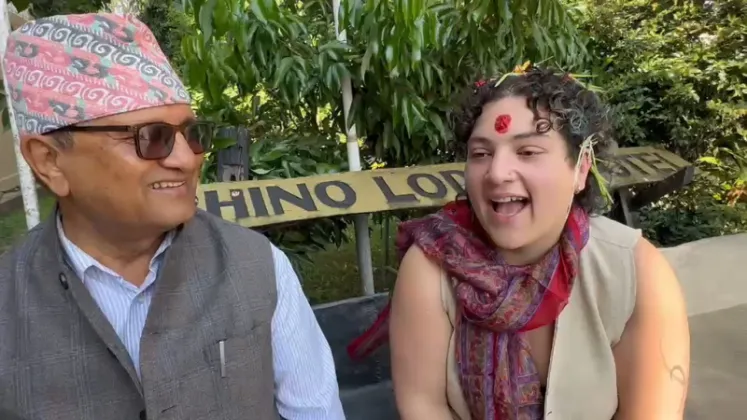
Foreign tourists staying in Sauraha received Dashain tika and jamara as the festival was being celebrated in the Chitwan district tourism hub, with the moment captured in photographs published by local media. Reports carried by Thaha Khabar and Nepal Lead on October 21, 2026, showed the foreign visitors taking part in the ritual, joining their Nepali hosts in one of the most cherished customs of the country's biggest festival. The coverage offered a glimpse of how Dashain, traditionally a family-centred celebration, reaches beyond households in one of Nepal's best-known tourist destinations, drawing international guests into the festivities alongside local residents.
Tika and jamara for foreign guests
According to the reports published on October 21, 2026, foreign tourists in Sauraha were given tika and jamara in keeping with the Dashain tradition. Both outlets published their stories alongside photographs of the visitors taking part in the festival ritual, making the scene one of the more colourful images of this year's celebration in the area.
The key points reported by the two outlets were as follows:
- Foreign tourists in Sauraha received Dashain tika and jamara during the festival.
- The news was published on October 21, 2026, by Thaha Khabar and Nepal Lead.
- Both outlets carried photographs of the visitors taking part in the festival ritual.
- The event reflected the celebration of Dashain in the Sauraha area, with foreign guests joining in.
The image of international travellers wearing tika and jamara carried a familiar warmth for Nepali readers. The ritual is ordinarily reserved for family gatherings, so its extension to foreign guests in a tourist town like Sauraha underscored the welcoming spirit with which the festival is observed there.
The meaning behind the ritual
Dashain is Nepal's largest and longest festival, observed over fifteen days in the months of Asoj and Kartik according to the Nepali calendar. Rooted in Hindu tradition, it commemorates the victory of the goddess Durga over the demon Mahishasura and, more broadly, the triumph of good over evil. The festival begins with Ghatasthapana, when barley seeds are sown and tended so that the tender yellow jamara is ready by the main day of the celebration.
The most significant day, Vijaya Dashami, is when family members travel across the country, and often from abroad, to receive tika and jamara from the hands of elders. The tika, a paste of rice, vermilion and yoghurt, is applied to the forehead along with blessings for health, happiness and prosperity, while the jamara is pinned to the hair and kept for days afterwards. Homes are cleaned and decorated, markets fill with shoppers, and the days around the festival are marked by reunions, feasts and shared celebrations.
Against this backdrop, the sight of foreign tourists receiving tika and jamara in Sauraha fits naturally into the rhythm of the festival. The ritual is as much about inclusion and blessing as it is about religion, and the photographs published by the two outlets showed the visitors participating in it just as family members would.
Sauraha in festival season
Sauraha, located on the banks of the Rapti River on the edge of Chitwan National Park, is one of Nepal's most popular tourist destinations. The town is known for jungle safaris, canoe rides, Tharu cultural performances and riverside lodges, and it hosts a steady flow of international visitors throughout the year. During Dashain, the celebrations add a distinctly local flavour to its streets, with the festival observed alongside the routine of tourism.
The reports from Thaha Khabar and Nepal Lead highlighted how this blend plays out in practice. As residents marked the festival, foreign guests present in the town were brought into the celebration and given tika and jamara, an interaction that the published photographs documented directly. For the visitors, taking part in the ritual offered a personal, hands-on experience of Nepali culture beyond the wildlife and scenery that normally define a stay in the area.
A story carried in pictures
Both Thaha Khabar and Nepal Lead published their coverage on October 21, 2026, and relied on photographs to convey the scene, showing the foreign guests receiving tika and jamara during the Dashain ritual. The images served as the central evidence of the event, capturing visitors with the marks of the festival on their foreheads and jamara in hand.
Such coverage matters because it documents how the festival is experienced in a tourist setting rather than only within family homes. The photographs provided a visual record of the celebration in Sauraha this year, one in which foreign travellers appeared not merely as onlookers but as participants.
For a festival built on blessings and togetherness, the moment in Sauraha showed those values extended to visitors from abroad. As the tika and jamara were applied, the tourists were, for the duration of the ritual, treated like members of the family, and the reporting by the two outlets ensured the moment reached a wider audience.