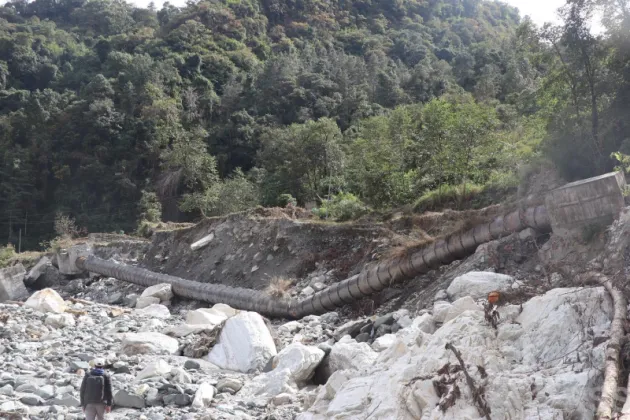
Floods and landslides triggered by this year's monsoon have severely damaged hydropower projects across Myagdi district, disrupting electricity generation, transmission and ongoing construction work. The disasters, which struck along the Kali Gandaki and Myagdi rivers and their tributaries, have inflicted damage on both completed and under-construction projects, with some powerhouses forced to suspend operations completely.
The destruction has affected nearly every component of the district's hydropower infrastructure. Dams, powerhouses, tunnels, transmission lines and access roads have all suffered damage as swollen rivers and landslide debris swept through project sites. The scale of the disruption has raised concerns about the vulnerability of Nepal's hydropower sector, which is heavily concentrated along river systems that become treacherous during the monsoon months.
Widespread Damage Across Project Sites
According to reports from local news outlets including Ratopati, Gorkhapatra and Nagarik News, the floods and landslides that hit the Kali Gandaki and Myagdi river systems damaged critical structures of hydropower projects in various stages of development. Projects that had already been completed and were supplying electricity to the national grid saw their production disrupted, while construction work on projects still under development came to a standstill.
The damage to transmission lines and access roads has compounded the difficulties faced by project operators. Without functioning transmission infrastructure, even projects that could still generate electricity have been unable to deliver power effectively. Damaged access roads have also hampered efforts to transport repair equipment and personnel to affected sites, slowing down restoration work in remote and difficult terrain.
Projects Completely Shut Down
The impact of the monsoon disasters has been severe enough that some projects in the district have been completely shut down. Total closures mean a complete halt to electricity generation, cutting off revenue streams for the project operators and reducing the supply of power available to the national grid during a period when domestic demand remains high.
Myagdi is one of Nepal's significant hydropower-producing districts, with numerous projects developed along the Kali Gandaki river and its tributaries, including the Myagdi river itself. The concentration of projects along these river systems makes the district particularly exposed to monsoon-related hazards, as floods and landslides repeatedly occur along the steep slopes and unstable terrain of the Annapurna region during the rainy season.
Recurring Threat to the Hydropower Sector
The damage inflicted on Myagdi's hydropower projects this monsoon highlights a recurring challenge for Nepal's energy sector. Hydropower, the backbone of the country's electricity supply, depends on infrastructure built directly in and alongside rivers, making it inherently vulnerable to the floods and landslides that accompany each monsoon season. When disasters strike, the losses are felt not only by project developers and investors but also in the form of reduced electricity supply to households and industries.
The disruption to under-construction projects carries additional implications. Delays in construction work caused by damaged access roads, flooded sites and destroyed structures push back completion timelines and inflate project costs. For a sector that plays a central role in Nepal's economic development plans and its ambitions to export surplus electricity, repeated monsoon damage represents both a financial and strategic setback.
Restoration Efforts Underway
Efforts to restore damaged infrastructure are expected to take considerable time, particularly where powerhouses, dams and tunnels have suffered major damage. Repairs to transmission lines and access roads are typically prioritised to allow assessment teams and repair crews to reach affected sites. However, with the monsoon season still active, the risk of further floods and landslides continues to complicate recovery operations.
Project operators and local authorities in Myagdi are now confronted with the task of assessing the full extent of the losses and determining how to rebuild in a way that better withstands future monsoon disasters. The events of this monsoon season in Myagdi add to the growing body of evidence that climate-related disasters are becoming an increasingly serious threat to Nepal's hydropower infrastructure, prompting calls for stronger disaster-resilient designs and improved early warning systems in project planning.
As the district counts the cost of this year's floods and landslides, the disruption to electricity generation and construction serves as a stark reminder of the challenges facing Nepal's hydropower ambitions in an era of increasingly erratic and intense monsoon weather.