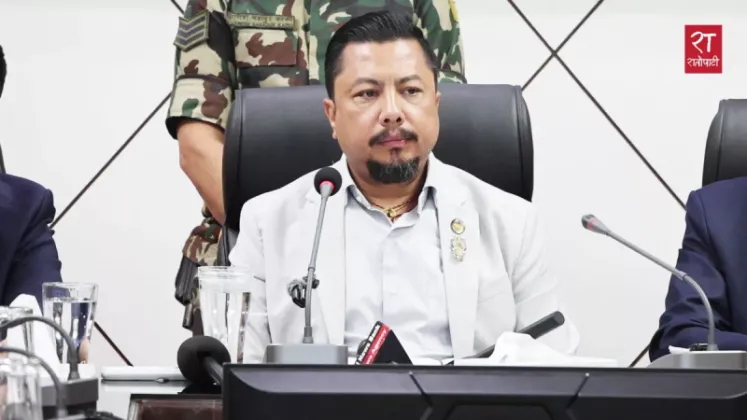
Minister for Energy, Water Resources and Irrigation Birajbhakta Shrestha has carried out an on-site inspection of the Sunachhap landslide-affected area in Modi Rural Municipality-2 of Parbat district, gathering first-hand information about the hardships and losses of local residents after the long-active slope caused fresh destruction last Asoj. The latest episode of the landslide, identified as a long-standing risk to the settlement, disrupted the movement of people, road transport and irrigation services in the area. Holding discussions with affected residents during the visit, the Minister said an integrated plan will be taken forward to control the landslide, a commitment that comes as the community continues to deal with the aftermath of the most recent damage.
A Long-Standing Hazard Strikes Again
The Sunachhap landslide is described as a long-standing risk in Modi Rural Municipality-2, and it caused further damage when it turned destructive again last Asoj, the Nepali month that falls in September-October, around the close of the monsoon season. According to reports of the incident, the renewed activity affected daily life in several interconnected ways:
- Movement: the normal movement of residents around the affected area was disrupted, complicating everyday routines for local households.
- Road transport: road transport services in the area were interrupted, affecting the connectivity that the settlement depends on.
- Irrigation: irrigation services were also disturbed, a serious concern in a farming area where canal water supports agricultural production.
Why the Repeated Damage Matters
Landslides of this kind are a recurring feature of Nepal's middle hills, where steep slopes, fragile geology and intense monsoon rainfall combine to destabilize the ground year after year. For settlements such as those in Modi Rural Municipality, a slope that slips repeatedly does not cause damage in a single event alone; it keeps land, roads and waterways in a state of uncertainty, forcing families to live with the possibility that each monsoon could bring fresh losses. It is against this backdrop that the fresh damage of last Asoj prompted the Minister's inspection of the site.
Minister Hears Residents' Concerns First-Hand
During the inspection, Minister Shrestha gathered information about the problems facing local residents and the damage they have suffered from the landslide. On-site visits of this kind allow ministers and technical teams to assess the scale of a hazard directly rather than relying solely on written reports, and they signal official attention to communities that can otherwise feel forgotten once disaster news fades from the headlines.
The discussions with locals formed a central part of the visit. Residents were able to set out the disruption caused by the landslide, including the interruption of road transport and irrigation services, and the difficulties this has created for everyday life and farming in the area. The interaction also gave the community a direct channel to the ministry that holds responsibility for water resources and irrigation, the very sector whose services the landslide has disrupted.
An Integrated Plan Pledged
The key outcome of the visit was the Minister's commitment that an integrated plan will be advanced to control the Sunachhap landslide. While the detailed scope, budget and timeline of the plan have not yet been spelled out in the reports available so far, an integrated approach to landslide management generally goes beyond a single protective structure. In Nepal's hill districts, such plans typically combine engineering measures with ecological and institutional ones, for example:
- slope stabilization and mitigation structures at the vulnerable site;
- management of surface drainage so that monsoon water does not seep into and weaken the slope;
- bio-engineering and plantation to help bind the soil; and
- sustained monitoring, along with coordination among the federal ministry, provincial authorities and the local rural municipality.
Framing the response as "integrated" also matters because the damage reported at Sunachhap cuts across sectors. The landslide has disrupted road transport, which involves infrastructure agencies, and irrigation services, which sit squarely within the portfolio of the Ministry of Energy, Water Resources and Irrigation that Minister Shrestha leads. A coordinated plan is therefore the natural vehicle for addressing a hazard whose effects reach from the slope itself to the road and the farm canal below.
From Pledge to Implementation
For the people of Modi Rural Municipality-2, the value of the pledge will be judged by what follows. The immediate expectations are clear: that disrupted road transport and irrigation services are restored, that the slope is brought under control before the next monsoon, and that households living with the landslide receive a clear answer about their long-term safety. Experience with landslide mitigation elsewhere in Nepal shows that early technical study, adequate budget allocation and continuity of effort across fiscal years are decisive in determining whether such commitments deliver lasting protection.
Minister Shrestha's inspection has placed the Sunachhap landslide on the ministry's agenda at a moment when residents are still coping with the aftermath of the last Asoj damage. The visit was reported by Rato Pati and Khabarhub. If the integrated plan now moves from announcement to design and construction, it could help bring an end to years of recurring risk for the community; if it stalls, residents will remain where they have long stood, watching the slope each time the rains arrive.