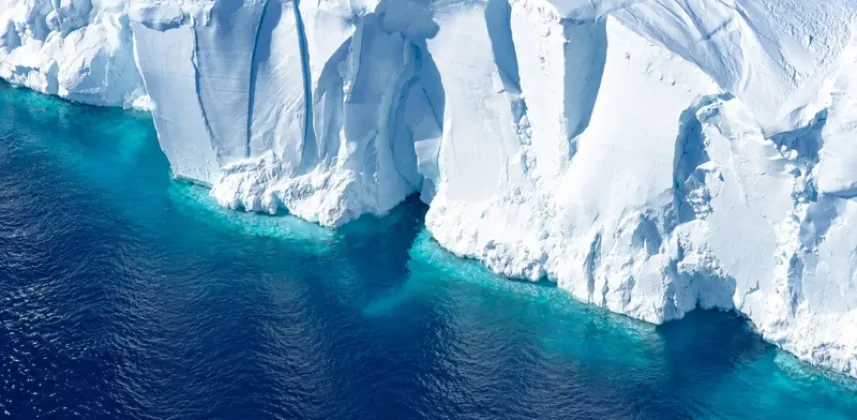
LUCERNE, Switzerland - Switzerland's glaciers, shrinking rapidly under the pressure of climate change, are giving up objects that the ice had sealed away for centuries and, in some cases, millennia. The Glacier Garden in Lucerne has now brought many of these finds together in an exhibition titled "Treasure of Ice", which ranges from bows used by ancient hunters to Roman-era objects and, strikingly, an empty mayonnaise tube from the present day. Together, the items show how the same melting ice that signals an environmental crisis is also transforming what is known about human life in the Alps.
When the Ice Gives Up Its Secrets
Swiss glaciers are melting at an accelerating pace as global temperatures rise, and that retreat is producing an unexpected consequence. As the ice pulls back, it exposes old objects, historical materials and evidence of environmental change that had been locked away, sometimes for thousands of years. Reports carried by RatoPati and Khabarhub describe how the retreating ice is turning the high mountains into something like an open-air archive, one that is opening even as it disappears.
These discoveries come with a deadline attached. Objects that survived for centuries in a stable, frozen environment are suddenly exposed to sun, wind, rain and meltwater, and they can deteriorate or vanish if no one recovers them. That urgency has turned the study of glacial finds into a race, with researchers and museums working to document and preserve what is surfacing before it is lost.
The Glacier Garden in Lucerne has taken on that responsibility. By organising "Treasure of Ice," the institution is working to preserve and study the finds, and to help visitors understand what the melting ice is releasing and why it matters.
Inside 'Treasure of Ice'
The exhibition deliberately mixes objects from very different eras, inviting visitors to read them side by side. Its highlights include:
- Bows used by ancient hunters, rare physical evidence of how people survived in and moved through high mountain terrain long before modern maps or borders existed.
- Roman-era objects, traces of human activity in the Alpine region reaching back well over a thousand years.
- An empty mayonnaise tube, a modern artefact showing that the ice also records the waste of the present day.
Voices from the Deep Past
The bows on display speak to hunting practices, craftsmanship and daily life in periods that left few written records. Finds like these give researchers tangible evidence of how early communities used the mountains, season by season, rather than treating them as empty wilderness. Each recovered object adds a fragment to a picture of Alpine life that would otherwise remain invisible.
The Roman-era objects carry a different lesson. They show that people travelled and worked in the region long before modern tourism arrived, and they help connect the distant past to the landscape visitors see today. In the framing of the exhibition, the glaciers are not merely scenery but archives of human movement across the Alps.
A Modern Message from the Ice
Not everything emerging from the melt is ancient. The mayonnaise tube makes a point that is as uncomfortable as it is clear: modern society leaves its mark even in remote, high-altitude environments. Placed beside prehistoric hunting equipment and Roman-era materials, the tube illustrates how thoroughly human activity now reaches the mountains, and how today's habits are becoming tomorrow's archaeological layer.
In that sense, "Treasure of Ice" presents not a single timeline but several, stacked on top of one another inside the same disappearing ice. The humble tube and the ancient bows are part of one continuous record of human presence, separated only by the depth at which each was preserved.
A Race Between Climate Change and Conservation
The exhibition cannot be separated from the climate crisis that made it possible. The rapid melting of Switzerland's glaciers is precisely what brings buried materials to the surface, which makes every new find bittersweet. The same warming that endangers the glaciers also allows these objects to be recovered, and as Rajdhani Daily and other outlets note, the ice acted for millennia as a natural archive, holding objects and environmental evidence in deep freeze. As that archive melts, both the ice itself and the information it contains are at risk.
For the Glacier Garden, "Treasure of Ice" is also a statement about responsibility. Once the ice releases an object, someone must decide whether it is studied, conserved and displayed, or simply lost to the elements. The exhibition argues firmly for the first path, combining preservation with public education and giving visitors a direct look at what is at stake.
With Switzerland's glaciers continuing to retreat, more finds are likely to surface in the years ahead. Exhibitions like this one are set to play a growing role in turning a climate loss into knowledge, offering the public a rare chance to watch history emerge from the ice before it melts away.