The traditional Khubhindo Jatra, known in Newar as Khah, concluded on Thursday at Balkumari in Madhyapur Thimi, Bhaktapur, following a sequence of observances that began on Ghatasthapana at the Taleju temple in Thimi’s Layaku Durbar. The festival’s progression included the placing of jamara, the arrival of Fulpati from Siddhikali temple and the continuation of a Nawami animal-sacrifice tradition involving buffaloes and goats. The events mark the key stages reported in this year’s observance of the traditional jatra.
A festival beginning at Ghatasthapana
The observances began on Ghatasthapana, when jamara was placed at the Taleju temple in Layaku Durbar. That opening ritual set the start of Khah’s annual sequence in Thimi. Rather than being limited to the day of its conclusion at Balkumari, the jatra unfolded through events associated with successive days of the Dashain period.
The opening at Taleju established the temple as a central location in the festival’s early observances. Jamara was placed there on Ghatasthapana, beginning the sequence that continued through Fulpati and Nawami. The report of the festival’s conclusion at Balkumari thus follows a series of ritual moments connected with both the Taleju temple and other sites in the area.
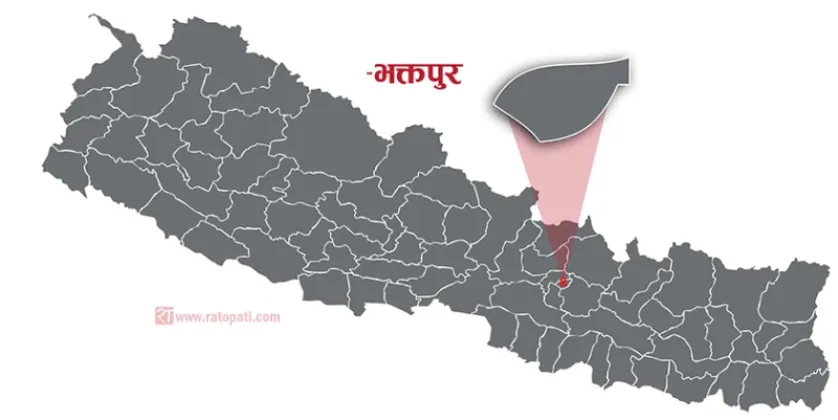
The name Khah is the Newar name for the Khubhindo Jatra. Reports described the festival as a traditional observance in Madhyapur Thimi, a municipality in Bhaktapur. Its reported sequence links the beginning at Taleju, the Fulpati procession from Siddhikali temple and the concluding observance at Balkumari, giving the jatra a clear progression across local religious sites.
Fulpati brought from Siddhikali temple
On Fulpati, the fulpati was brought from Siddhikali temple and taken into the Dashain ghar at Taleju. This movement from Siddhikali to the Dashain ghar formed another stage of the festival after its opening on Ghatasthapana. It also connected the two temples in the reported sequence: the fulpati came from Siddhikali, while its destination was the Dashain ghar at Taleju.
The Fulpati observance sits between the opening ritual and the events of Nawami in the jatra’s reported chronology. The account describes both where the fulpati came from and where it was taken, but does not give further details about the procession or the people involved. The stated route and destination nevertheless identify the movement as a key part of Khah’s progression through the Dashain period.
Nawami ritual and conclusion at Balkumari
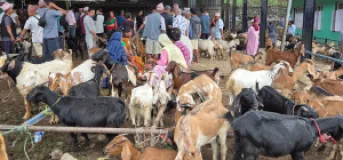
On Nawami, the tradition of sacrificing the heads of buffaloes and goats continued. The practice was part of the jatra’s reported observances, following the Ghatasthapana and Fulpati rituals. The account notes the continuation of the tradition without specifying how many animals were involved or providing further details about the ceremony.
Khah concluded on Thursday at Balkumari in Madhyapur Thimi. The reported observances therefore span the opening at Taleju on Ghatasthapana, the bringing of fulpati from Siddhikali temple on Fulpati, the Nawami sacrifices and the conclusion at Balkumari. These stages distinguish the jatra’s sequence while keeping the focus on its local temple and festival settings. The conclusion at Balkumari brought this year’s reported observance to an end.
The sequence from Ghatasthapana through Nawami shows how the festival is observed across multiple days, rather than as a single event. Its reported details are specific: jamara was placed at Taleju, fulpati was brought from Siddhikali and taken into Taleju’s Dashain ghar, and the Nawami sacrifice tradition continued. The jatra’s conclusion at Balkumari completed the observance in Madhyapur Thimi. Further reporting on the festival is available from Ratopati.