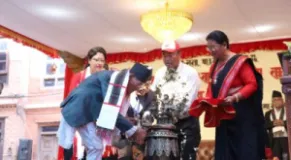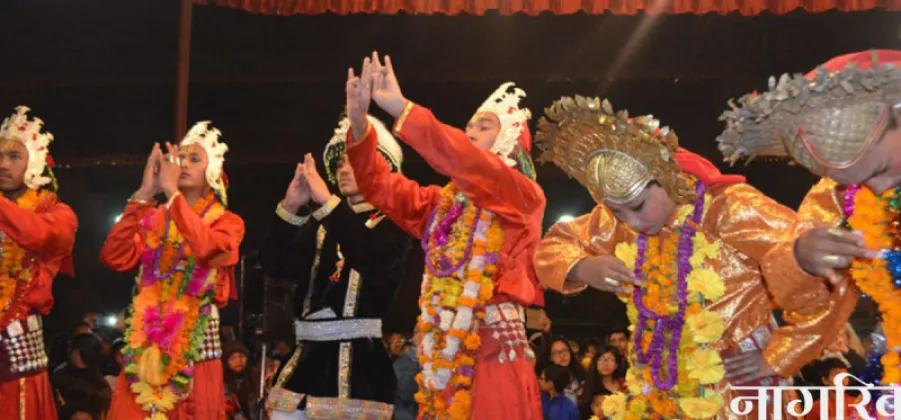
The historic Kartik Nach, the traditional dance staged at the Kartik Dabali of Patan Durbar, will begin this year on Kartik 27, according to Kiran Chitrakar, chair of the dance conservation committee. Once the performances begin, the dance will be presented every evening at 7 pm for a total of 12 days, drawing audiences back to the courtyard of Patan Durbar Square for one of the area's most anticipated annual traditions. The announcement confirms that the centuries-old ritual performance, which was started by the Malla-era king Siddhinarasimha Malla and is based on various stories of Lord Vishnu, will continue its unbroken run on the calendar this year despite mounting concerns about its future.
Twelve Nights of Performance at the Kartik Dabali
Organizers have laid out a clear schedule for this year's edition of the dance. Chitrakar, who leads the committee charged with conserving the performance, said the event will open on Kartik 27 and continue nightly through its full 12-day run. Every show begins at 7 pm, giving spectators a fixed evening appointment at the same historic stage where the dance has traditionally been performed.
The key details of this year's Kartik Nach are as follows:
- Start date: Kartik 27
- Venue: Kartik Dabali, Patan Durbar Square
- Daily showtime: 7 pm
- Duration: 12 consecutive days
The Kartik Dabali itself is central to the identity of the performance. The open courtyard at Patan Durbar serves as the traditional setting for the dance, and the choice of venue underlines how closely the event is tied to the architecture and public spaces of the historic square. For local residents and visitors alike, the nightly performances transform the area into a living stage, continuing a practice that has endured across generations since it was first instituted by royal command.
A Royal Legacy Rooted in the Stories of Lord Vishnu
The origins of Kartik Nach reach back to the Malla period of Nepali history. According to the conservation committee, the dance was started by Siddhinarasimha Malla, the Malla-era king whose patronage established the tradition that continues today. That royal beginning gives the performance a distinctive place among the ritual dances of Patan, linking the present-day spectacle directly to the era in which the valley's cultural life was shaped by its kings.
The content of the dance is devotional in character. The performance is based on various stories of Lord Vishnu, and these narratives form the backbone of the 12-night presentation. In practice, this means that audiences who attend across the full duration of the festival are taken through a sequence of episodes drawn from the lore surrounding the deity, with each evening's performance contributing to the larger devotional narrative that the tradition was designed to convey.
This combination of history, faith and performance is what gives Kartik Nach its special standing. It is not simply an evening entertainment but a ritual obligation, staged at a fixed time of year on a stage built into the heart of the durbar square, and sustained by the descendants and community members who have kept it alive since the Malla era.
Challenges Clouding the Tradition's Future
Even as organizers confirmed the start date, warnings about the difficulty of sustaining the dance have come into sharper focus. Sanjay Sharma Rajopadhyay, coordinator of the Kartik Nach publicity committee, said the tradition faces serious hurdles in continuing over the long term. He identified three interlinked challenges:
- Financial shortages: A lack of adequate funding threatens the staging of the elaborate performances, which must be organized and presented night after night across the 12-day festival.
- Shortage of artists: The dance depends on trained performers, and the pool of artists available to carry the tradition forward has become a pressing concern for the committees involved.
- Language problems among the new generation: A growing language gap between the tradition and younger people makes it harder for the new generation to connect with, understand and eventually take over the performance.
Taken together, these challenges sketch a difficult picture for the years ahead. Financial constraints affect everything from the preparations to the nightly staging of the dance, while the shortage of artists strikes at the very heart of a performance that relies on skilled, trained individuals. The language issue adds a further layer of concern, because a tradition passed down through generations loses much when the younger generation struggles to engage with the language in which that inheritance is carried.
Keeping a Heritage Alive
Despite these pressures, the confirmation of this year's dates signals the committee's determination to keep the dance going. The conservation committee, led by Chitrakar, and the publicity committee, coordinated by Rajopadhyay, have together moved the event forward, announcing the Kartik 27 start and the nightly 7 pm schedule even while openly acknowledging the obstacles that stand in the way of the tradition's long-term survival.
For the community around Patan Durbar Square, the return of Kartik Nach will once again fill the Kartik Dabali with performances rooted in the stories of Lord Vishnu and the legacy of Siddhinarasimha Malla. Whether the dance can continue to overcome its financial, artistic and linguistic challenges remains an open question raised by the organizers themselves, but for now the 12-night celebration will proceed as scheduled, beginning on Kartik 27.
The festival details were reported by Nagarik News and Ratopati.