With Vijaya Dashami just around the corner, the sale of jamara has gathered pace across the Kathmandu Valley, with vendors displaying the golden barley shoots at the historic Kasthamandap area, on street pavements and at flower shops around the capital. The seasonal trade has opened a practical route for families who could not plant jamara at home on the day of Ghatasthapana, allowing them to keep the central Dashain ritual alive. For the sellers, demand ahead of the festival has turned brisk, with some reporting earnings of up to 10,000 rupees in a single day.
A seasonal market takes over the capital
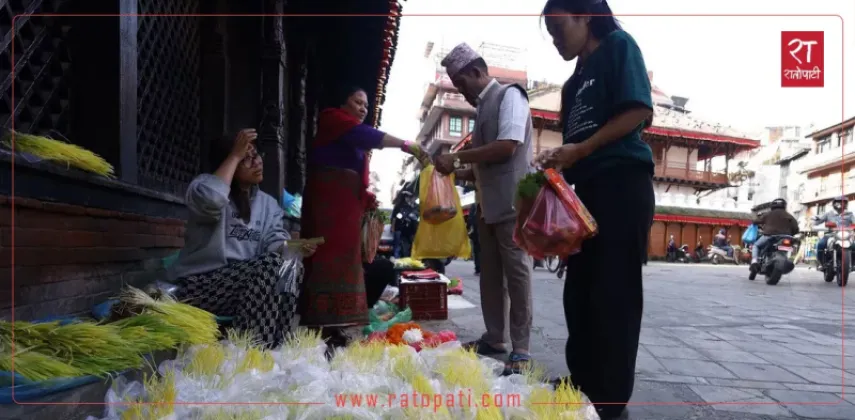
Walk through the older quarters of Kathmandu in the days leading up to Vijaya Dashami and the festive economy is on full display. The Kasthamandap area, one of the city's most recognisable landmarks, has emerged as a focal point for jamara sellers, who arrange bunches of the yellow shoots for customers passing through the vicinity.
The trade is not confined to a single spot. According to photo coverage published by RatoPati, jamara is being sold at street pavements across the Valley, while flower shops have also added the sacred shoots to their festive offerings. The distribution of sellers across busy pavements and established shops reflects how deeply the demand for jamara runs through the capital during Dashain.
Where the jamara is on sale:
- The Kasthamandap area, a traditional hub of festive commerce
- Street pavements across the Kathmandu Valley
- Flower shops that bundle jamara with other seasonal items
The visual of vendors seated beside piles of freshly grown jamara has become a familiar marker of the festival season, signalling to residents that Dashain has arrived even before the tika and blessings of Vijaya Dashami day.
Buyers turn to the market when home planting is not possible
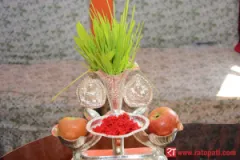
Jamara occupies a special place in the celebration of Dashain. The tradition begins with Ghatasthapana, the ritual that marks the start of the festival, when families sow barley seeds at home and nurture them in the days that follow. By the time Vijaya Dashami arrives, the shoots have grown into the yellow jamara that elders place on the heads and ears of younger relatives along with tika and blessings.
Not every household, however, manages to complete this process. Families that could not plant jamara at home for Ghatasthapana, whether because of urban living arrangements or other constraints, are buying it directly from the market this year. For these buyers, the ready availability of jamara on the streets of Kathmandu means that missing the sowing ritual does not mean missing the festival's central custom altogether.
The purchase of jamara has, in effect, become a practical bridge between tradition and modern city life. Rather than forgoing the ritual entirely, residents are able to step out, buy a bundle from a pavement seller or flower shop and still receive and share the blessings that define Vijaya Dashami.
Sellers report earnings of up to Rs 10,000 a day
While buyers see convenience, sellers see opportunity. Vendors in the jamara trade report that the days running up to Vijaya Dashami can be highly rewarding, with some earning up to 10,000 rupees in a single day as households make their festive purchases.
That level of daily income underscores the commercial weight of a tradition that might otherwise be seen as purely religious. For the sellers, many of whom set up temporarily on pavements for the festival period, the Dashain rush represents one of the most important windows of the year for this line of trade. Pradesh Khabar has also documented the activity around the jamara market as the festival draws near.
The earnings figure also points to the scale of demand. With a large share of the Valley's population relying on the market for their jamara, even small vendors handling modest bunches can accumulate substantial daily sales when footfall is high in areas such as Kasthamandap.
A tradition carried from the home to the marketplace
The sight of jamara being traded openly on the streets captures the way Dashain customs adapt to the realities of the capital. What begins as a household ritual at Ghatasthapana, carried out in courtyards and rooms where seeds are carefully tended, ends in a lively marketplace where the finished shoots change hands in the final days before Vijaya Dashami.
For sellers, the trade connects them to a festival economy that stretches across the Valley, from the pavements of the old city to established flower shops. For buyers, the market ensures that the yellow jamara will still be placed on foreheads and behind ears on the day of tika, preserving a gesture that binds generations together.
As Vijaya Dashami approaches, the jamara sellers of Kathmandu are doing brisk business, and the golden shoots they sell will take their familiar place in homes across the Valley, completing for many families a celebration that began, for others, at the sowing of Ghatasthapana.