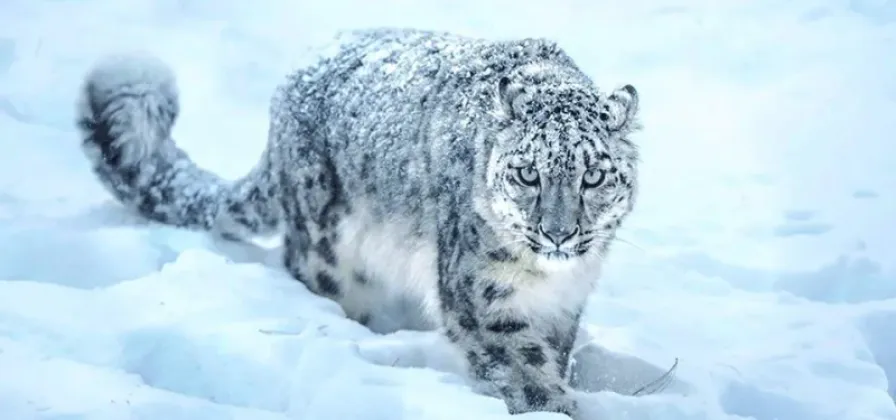
International Snow Leopard Day was observed on 23 October with a renewed call to protect the high Himalayan ecosystem and the rare snow leopard that depends on it. The day, dedicated to raising public awareness about the conservation of one of the world's most elusive big cats, was marked for only the second time since the United Nations officially declared it in 2024. This year's observance placed particular emphasis on the loss of snow leopard habitat caused by climate change, underlining that the fate of the species is inseparable from the health of the mountains it inhabits.
From United Nations Declaration to Annual Observance
International Snow Leopard Day received formal global recognition when the United Nations declared it in 2024, and this year's observance on 23 October carried added significance as only the second official marking of the day since that decision. The purpose behind the day is direct: to draw public attention to the conservation of the snow leopard, a species so rare that it is found in only 12 countries across the world.
Among those 12 range countries are:
- Nepal
- Afghanistan
- Bhutan
- China
- Kazakhstan
The restricted distribution of the snow leopard gives the day an unusually international character. With the species present in a limited number of mountain nations, its survival depends on sustained commitment from each of them, and the observance serves as a shared moment for governments, conservationists and communities to focus attention on the cat's future. For Nepal, named alongside its Himalayan neighbours Bhutan and China as well as Afghanistan and Kazakhstan, the day is a reminder of the country's place within a small global community entrusted with the species' survival.
An Indicator of a Clean Himalayan Environment
The snow leopard is regarded as more than a single threatened animal: it is seen as an indicator of a clean Himalayan environment. In practical terms, this means the condition of the snow leopard and its habitat reflects the condition of the high mountains themselves. Where the high-altitude ecosystem remains intact, the snow leopard can survive; where that environment degrades, the species is among the first to feel the impact.
This is why this year's theme linked the protection of the snow leopard directly to the protection of the high Himalayan ecosystem as a whole. The message conveyed through the observance was that conserving the cat cannot be separated from conserving the landscape, the waters and the delicate ecological balance of the Himalaya. Safeguarding the species, in this framing, is understood as safeguarding the mountain environment itself, of which the snow leopard stands as the most visible symbol.
Climate Change and the Shrinking of Habitat
The defining concern of this year's International Snow Leopard Day was the loss of snow leopard habitat driven by climate change. Nepali media outlets covering the observance, including Nepal Press, Khabarhub and Global Aawaj, highlighted the way a changing climate is eroding the fragile high-altitude environment on which the species depends.
Climate change poses a particular danger in the Himalaya because the mountain ecosystem is finely balanced and offers the snow leopard little room to retreat. As conditions in the high mountains shift, the habitat available to the species narrows, placing the populations of all 12 range countries under corresponding pressure. By placing habitat loss at the centre of this year's message, the observance made clear that the greatest threat to the snow leopard lies in the gradual transformation of the very landscape it needs in order to live.
Why Awareness Matters
The core aim of International Snow Leopard Day is to raise public awareness, and this year's edition used that platform to press the case for habitat conservation. Awareness is the foundation on which wider conservation action is built: the more people understand the snow leopard's rarity, its limited range and its role as a signal of Himalayan environmental health, the stronger the public support for protecting the high mountain ecosystem it calls home.
A Milestone and a Warning
As only the second official observance since the United Nations declaration in 2024, this year's day functioned as both a milestone and a warning. It was a milestone in that the cause of the snow leopard now enjoys formal international recognition and an annual date on the global calendar. It was a warning in that the habitat loss highlighted by this year's theme continues to threaten the species across its 12-country range.
The overall message emerging from the 23 October observance was one of shared responsibility. Protecting the snow leopard, the day's observance stressed, ultimately means protecting the high Himalayan ecosystem itself, and the task of preserving that environment for one of the world's rarest big cats now rests with Nepal and its fellow range countries alike.