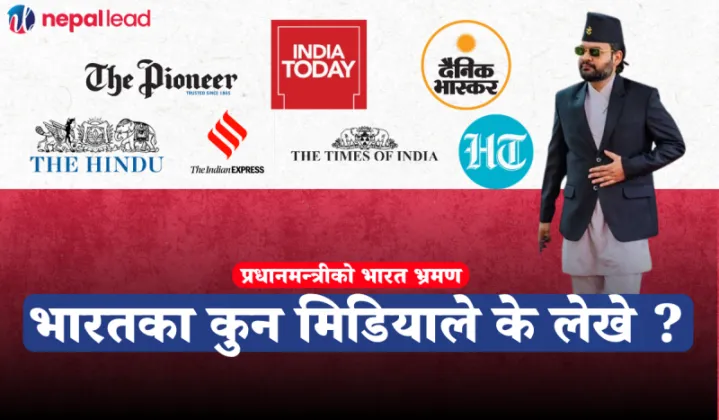
Two explainer pieces published by Nepal Lead have examined how the Indian side and the Indian media have viewed and reviewed Prime Minister Balen's visit to India. The articles, published on November 22 and 23, 2026, focus specifically on the coverage and discussion that the trip has generated in Indian media outlets, presenting the visit as a matter of keen interest from both diaspora and foreign affairs perspectives between Nepal and India.
What the Explainers Cover
The two Nepal Lead articles are structured as explainer pieces, a format designed to break down for readers what is being said, where it is being said, and why it matters. In this case, the subject under examination is the reception of Prime Minister Balen's India visit in the Indian press. Rather than reporting primarily on the itinerary or outcomes of the trip itself, the articles centre on the coverage and discussion of the visit within Indian media.
The first of the two explainers was published on November 22, 2026, and the second followed on November 23, 2026. Taken together, the pair offers readers a two-day snapshot of how the Indian side and Indian commentators were processing the visit as it unfolded. The pieces position the trip not merely as a bilateral political event but as a topic of active conversation among audiences watching Nepal-India relations closely.
Diaspora and Foreign Affairs Interest
A notable framing in the Nepal Lead pieces is the dual lens through which the visit is viewed: diaspora interest and foreign affairs interest. Nepal-India relations touch a vast cross-border community, and events involving a Nepali prime minister travelling to India routinely draw attention from Nepalis living in India as well as from foreign policy observers in both countries.
By framing the visit as a subject of diaspora and foreign affairs interest, the explainers signal that the story extends beyond the formal diplomatic exchanges that typically accompany a prime ministerial trip. The Indian media's own coverage becomes part of the story, with the articles tracking how Indian outlets and commentators have discussed and reviewed the visit. This meta-coverage approach, in which media commentary about the trip is itself news, reflects the intensity of attention that Nepal-India engagements consistently attract.
The Significance of Indian Media Reception
For any Nepali prime minister, how a visit to India plays in the Indian press carries weight. India is Nepal's largest neighbour and most consequential partner, and the tone and substance of Indian media coverage often shapes expectations on both sides of the border. The Nepal Lead explainers tap directly into this dynamic by asking how the Indian side and Indian media have viewed Prime Minister Balen's visit.
The focus on Indian media reviews suggests that the articles were written for Nepali readers seeking to understand how their prime minister's foreign engagement was being received across the border. This kind of coverage-side reporting is common in Nepali media covering major diplomatic events, as the home audience often has limited direct access to the commentary circulating in Indian publications and broadcasts.
Limited Details on Outcomes
The available excerpts from the two explainer pieces do not include further details about the outcomes of the trip itself. Neither the specific meetings held, agreements signed, nor statements issued during the visit are described in the material available from the source. What the pieces clearly establish is that the visit was covered and discussed extensively in Indian media, and that Nepal Lead sought to explain to its readers how that Indian-side reception was unfolding.
This gap between coverage-of-coverage and coverage-of-outcomes is worth noting for readers. The explainers' value lies in documenting the narrative environment surrounding the visit in India rather than in cataloguing the diplomatic substance of the trip. Readers seeking the full diplomatic record would need to consult the original Nepal Lead articles and other reporting on the visit directly.
Two Days of Tracking
The staggered publication of the two pieces, one on November 22 and the second on November 23, indicates that the Indian media conversation around the visit was substantial enough to warrant sustained attention. Media houses that follow Nepal-India relations closely often produce follow-up coverage as a visit progresses, and Nepal Lead's decision to publish a second explainer a day after the first suggests the outlet judged that the discussion was continuing to evolve.
For readers of Nepali news portals, the pair of explainers serves as a consolidated reference point: together they capture how the Indian side and Indian media framed, reviewed, and discussed Prime Minister Balen's visit to India across those two days in late November 2026. The articles underline the enduring reality of Nepal-India relations, namely that any high-level engagement between the two neighbours is watched, debated, and interpreted on both sides of the border in real time.
The original explainer pieces are published on Nepal Lead, where readers can find the full text of the outlet's examination of the Indian media's reception of the visit.
Why It Matters
Tracking how a foreign capital's media receives a Nepali prime ministerial visit has become an established part of diplomatic reporting in Nepal. The Indian media's framing can influence public opinion in India, which in turn can affect the political climate in which Nepal-India policy is made. By compiling and explaining the Indian coverage, Nepal Lead's two November explainers contribute to a fuller picture of the visit for the Nepali audience, one that goes beyond official readouts to include the commentary and debate that the trip generated in India.
As further details of Prime Minister Balen's India visit and its outcomes emerge, they are likely to be read against the backdrop of the Indian media discussion that these explainers document, making the pieces a useful marker of how the visit was understood across the border at the time it took place.