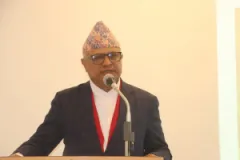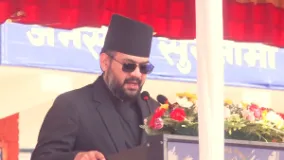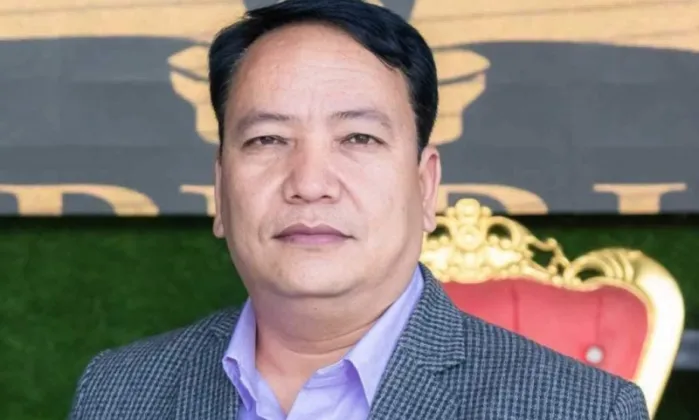
Bagmati Province Chief Minister Kiran Thapa Magar has described Nepal's festivals as a heritage of national identity, religious and cultural faith, social harmony and mutual unity. In a greeting message issued on the occasion of Vijaya Dashami and reported from Hetauda on Kattik 4 (October 21), the chief minister said that the festivals celebrated by people of diverse castes, languages, religions and traditions are what promote brotherhood in Nepali society. His message placed the country's many celebrations at the centre of national life, presenting them as a shared inheritance that binds communities together.
Festivals as a living heritage of national identity
In his Vijaya Dashami greeting, Chief Minister Thapa Magar characterised festivals as far more than days of feasting and merrymaking. He described them as a heritage of national identity, tying the celebrations that fill the Nepali calendar to the sense of who Nepalis are as a people. According to his message, the country's festivals carry four intertwined values:
- National identity: festivals are presented as a heritage that expresses the shared identity of the nation
- Religious and cultural faith: the rituals and observances handed down through generations keep faith alive across communities
- Social harmony: celebrations bring together households, neighbours and communities in shared joy
- Mutual unity: festivals serve as occasions on which a diverse society is drawn closer together
The chief minister's framing links celebration with belonging. By calling festivals a heritage of national identity, he presented the observances practised by Nepal's many communities not as isolated customs but as parts of a common national inheritance. In his telling, the faith expressed through festivals, the harmony they nurture and the unity they reinforce all flow from the same source, and preserving them means preserving a core part of the nation itself.
Diversity as a source of brotherhood
A central point of the greeting message was Nepal's diversity. The chief minister noted that the country's festivals belong to people of diverse castes, languages, religions and traditions, and he said these celebrations promote brotherhood. Rather than dividing Nepalis along cultural lines, the message suggests, the calendar of festivals gives each community's identity a place within the national whole.
The idea of brotherhood ran through the message alongside the themes of social harmony and mutual unity. Festivals, in this reading, are moments when differences recede: greetings are exchanged across community lines, and celebrations are shared rather than kept within single groups. Thapa Magar's description of festivals as a heritage of both national identity and social harmony captured this dual character, presenting Dashain and the wider family of Nepali festivals as occasions on which a plural society renews its bonds.
For Bagmati Province, whose communities span many castes, languages and faiths, the message carried its own resonance. It came from the top elected official of the provincial government, with Hetauda serving as the point from which the greeting was reported, and it framed the province's own cultural variety as part of the same national fabric.
A Dashami greeting from the provincial capital
The message was reported from Hetauda, the provincial capital of Bagmati Province, on Kattik 4 (October 21), and was issued to mark Vijaya Dashami, the principal day of Dashain, Nepal's largest and most widely observed festival. On this day, Nepalis across the country receive tika and jamara from their elders, seek blessings and exchange good wishes with relatives, friends and neighbours, with many people travelling home to celebrate with their families.
Greeting messages have long been a customary part of the festival season. As public life pauses for the holidays, leaders and public figures use festival greetings to convey good wishes and reflect on the meaning of the occasion. Thapa Magar's Vijaya Dashami message follows that tradition, using Dashami to set out what he views as the deeper significance of festivals for the country.
The greeting was carried by national media. Nepal Press reported the chief minister's message under a headline echoing his description of festivals as a heritage of national identity, while Gorkhapatra Online and Nagarik News also published the message from Hetauda.
With Dashain celebrations under way across the country, the chief minister's message adds a provincial voice to the season's reflections on culture and community. His emphasis on festivals as a heritage of national identity, religious and cultural faith, social harmony and mutual unity, together with his description of the diverse festivals of Nepal's castes, languages, religions and traditions as promoters of brotherhood, captures the spirit in which Nepalis mark Vijaya Dashami each year.