Farmers across Bhojpur district are counting down the final days of Dashain before they step into their terraced fields, as golden paddy ripens across the hills just as the festival reaches its height. According to reports published by Khabarhub, RatoPati and Prades Khabar, this year's Dashain fell squarely within the main paddy harvest season, and farming households have remained busy celebrating with family and relatives while the ripe crop waits in the fields. With the arrival of the month of Kartik, the harvest of the hills' main food grain is getting under way, and the real push to harvest and store the crop is expected to begin as soon as the tika, jamara and feasting are over.
Golden fields across the terraced hills
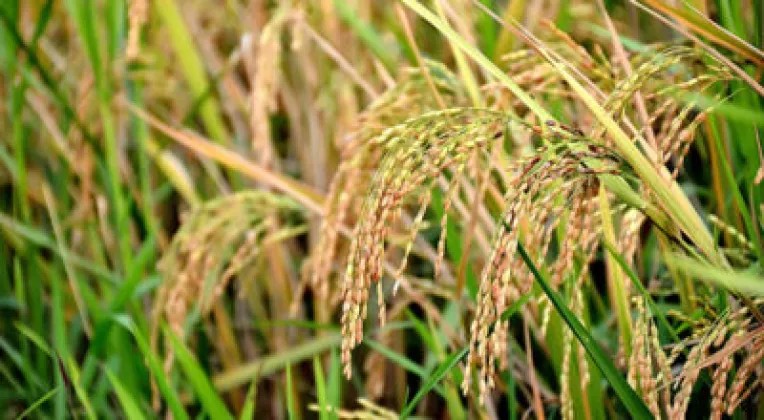
The change of season is written plainly on Bhojpur's landscape. The district's steep terraces, which stay green through the monsoon months, have turned a deep gold as the paddy reaches full maturity, and reports from the district describe the fields as blooming with ripe grain from one ridge to the next. It is a sight that signals the most important weeks of the farming year in the hill settlements.
Kartik, the seventh month of the Nepali calendar that runs from roughly mid-October to mid-November, has traditionally marked the start of the paddy harvest in the mid-hills, where rice serves as the staple food grain. Farmers in Bhojpur follow that rhythm closely: once the grain ripens, the window for harvesting, drying and storing it is short. That is why the golden fields are prompting such impatience among households still occupied with festival duties, even as the crop stands ready across the terraces.
Dashain first, harvest next
The overlap between the festival and the harvest has set the district's agenda for these days. Dashain is Nepal's largest festival, and its central rituals demand time at home rather than in the fields: elders apply tika, a mixture of rice, vermilion and yogurt, and jamara, the yellow barley shoots, to the foreheads of younger relatives, while households gather for feasting that continues through the holiday.
Sangita Khadka, a farmer of Bhojpur Municipality-6, described how the coming days will unfold for families like hers. According to her, the rush to bring the paddy in and store it will begin only "as soon as the Dashain tika, jamara and feasting are over." Until then, the priority remains the celebrations that draw relatives together in the villages.
Her account reflects a familiar tension in rural Nepal, where the festival calendar and the agricultural calendar frequently collide. Dashain is a time when families reunite, and households are reluctant to cut the observances short. But the same weeks are precisely when the paddy ripens on the terraces, so every day devoted to rituals is a day the golden crop remains standing uncut, waiting for hands that are otherwise busy with tika and feast plates.
The race to bring the grain home
Once the festivities end, attention is expected to shift decisively to the fields, and the pace of work in the villages will change overnight. For hill farmers, the harvest follows a well-known sequence, and this year it will begin in earnest after the festival concludes.
The work that awaits
- Cutting the ripe paddy stalks across the terraced fields
- Carrying the sheaves up and down the steep slopes to the threshing areas
- Threshing and winnowing the grain
- Drying it properly before it is stored for the year
Farmers are in a hurry to complete these steps, because paddy that is left standing after it has fully ripened can lose grain, and because the stored crop is what sustains the household through the coming year. In the hills, where paddy is the principal food grain, the Kartik harvest is not simply another task on the farming calendar but the season that fills the family granary.
A harvest that decides the year
For Bhojpur's farming families, the coming days carry a double significance. The festival now winding down is the year's most important celebration; the harvest now beginning is the year's most important work. The district's golden terraces capture both at once, holding the ripened crop that farmers planted with the monsoon and the family gatherings that Dashain brings to every village.
Khadka's expectation is that the transition will happen quickly. Once the last tika has been applied and the jamara set aside, villagers will move onto the terraces and the rush to bring the paddy in and store it safely will begin in earnest. Until then, the golden fields of Bhojpur stand ready, waiting for farmers to finish celebrating before they claim the harvest that will feed them through the year ahead.