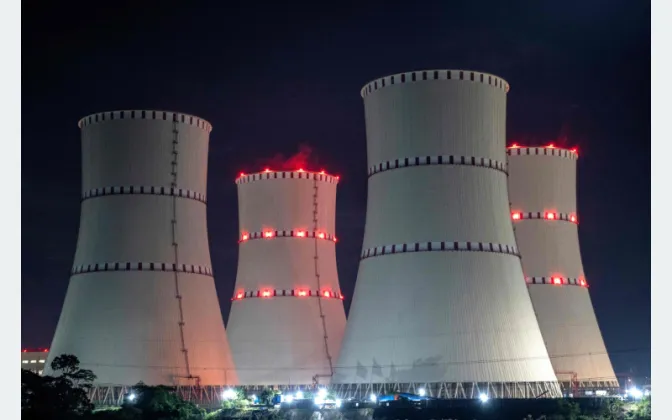
Bangladesh is preparing to switch on its first nuclear power plant, the long-delayed Rooppur project, in a move that could help address the country’s persistent power shortages. The plant is expected to provide a more reliable supply of electricity, though the project has also raised safety concerns.
The preparations have brought renewed attention to both the potential benefits and the risks associated with the nuclear facility. Reports from Dhaka and Kathmandu reflect the hopes that the plant could ease electricity shortfalls, alongside public concern about safety.
Hopes for more reliable electricity
Bangladesh has faced long-standing power shortages, and the Rooppur plant is expected to help improve the country’s electricity supply. Supporters of the project see its launch as a step toward more reliable power for the country.
The plant’s preparations mark progress on a project that has taken a long time to reach this stage. However, its expected contribution to the power supply remains only one part of the discussion surrounding its start-up.
Safety concerns remain
The prospect of bringing the nuclear plant into operation has also prompted concerns about safety. These concerns accompany the hopes that the facility will help reduce power shortages, keeping the project under scrutiny as Bangladesh prepares to switch it on.
The Rooppur plant’s start-up is therefore being viewed both as a potential response to the country’s electricity needs and as a development that requires attention to safety.