A group of 275 businessmen connected to Malaysia's FWCMS system has publicly objected to the current leadership of the Nepal Foreign Employment Business Association, accusing it of discriminating against them and of creating division among businessmen rather than protecting their interests.
The group, which identifies itself as the Foreign Employment Business Voice Campaign, levelled the allegations in a statement issued on Sunday. In the statement, the 275 businessmen said the association's leadership has been focused on division and pressure instead of safeguarding the interests of the businessmen it is meant to represent.
Objection Raised Through Public Statement
The objection comes in the form of a formal statement released by the Foreign Employment Business Voice Campaign, a group made up of 275 businessmen who are linked to Malaysia's FWCMS system. Through the statement, the group openly challenged the conduct of the association's current leadership.
According to the statement, the businessmen believe the leadership has failed in its core responsibility of defending the interests of its members. Instead of acting as a protector of the business community involved in foreign employment, the leadership has, in the group's view, worked to divide businessmen and exert pressure on them.
The group's accusations were blunt. It said the leadership has been engaged in creating division among businessmen, a charge that points to internal rifts within the association at a time when the Malaysia labour destination remains a sensitive issue for the sector.
Dispute Rooted in Malaysia's FWCMS System
The disagreement between the group and the association's leadership is connected to Malaysia's FWCMS system, which governs the recruitment of foreign workers for employment in Malaysia. Businessmen associated with this system have been at the centre of the dispute, and it is this cohort that has now come together under the banner of the Foreign Employment Business Voice Campaign.
Malaysia is one of the major labour destinations for Nepali migrant workers, and the recruitment business tied to it involves a significant number of Nepali manpower agencies and businessmen. The FWCMS system has therefore been an important point of contention within the foreign employment business community, and the current objection reflects the depth of the disagreement over how matters related to the system are being handled.
The group of 275 businessmen, by tying their objection directly to the FWCMS dispute, has signalled that their grievance is not merely a matter of internal association politics but is closely linked to the practical concerns of those doing business under the Malaysian recruitment framework.
Accusations of Discrimination and Division
The central accusations made by the Foreign Employment Business Voice Campaign are twofold: discrimination and division. The group said the association's leadership has treated businessmen connected to the Malaysia FWCMS system in a discriminatory manner, and that it has actively worked to split the business community rather than unite it.
In its statement, the campaign argued that an association leadership's primary duty is to protect the interests of all businessmen under its umbrella. The group contended that the current leadership has abandoned this duty, choosing instead to pursue tactics of division and pressure against sections of the business community.
The objection by 275 businessmen represents a sizeable bloc within the association's membership base. By releasing a joint statement, the group has made its dissent public, putting pressure on the association's leadership to respond to the allegations of discrimination and division.
Context of the Foreign Employment Business Sector
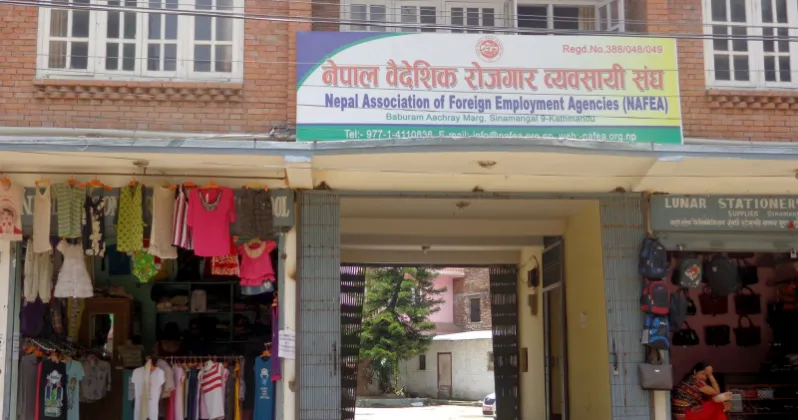
The Nepal Foreign Employment Business Association is the representative body of Nepali manpower agencies and foreign employment businessmen, and its leadership is expected to advocate for the sector's interests with the government and foreign labour destinations. Disputes within the association, such as the current one, often reflect broader tensions in the recruitment industry over access to labour markets and the rules governing them.
The Malaysia labour destination has historically been among the largest for Nepali workers, and the management of recruitment under systems such as the FWCMS has been a recurring flashpoint among businessmen. When disagreements arise over such systems, they tend to split the association's membership along lines of who benefits from particular recruitment arrangements.
The Foreign Employment Business Voice Campaign's statement on Sunday is the latest expression of these tensions. By accusing the leadership of discrimination and of creating division, the 275 businessmen have framed their objection as a defence of their interests against a leadership they say has neglected them.
What the Statement Demands of the Leadership
While the group's statement focused on its objections, its core message was clear: the association's leadership should prioritize protecting businessmen's interests over creating division and applying pressure. The group's action indicates it wants the leadership to be accountable to all of its members, including those involved in the Malaysia FWCMS system.
The public nature of the objection, issued through a signed statement by 275 businessmen, raises the stakes for the association's leadership, which now faces an organized internal challenge over its handling of the Malaysia recruitment dispute. As of the statement's release, the group's allegations stand as a direct public reproach of the association's current leadership and its conduct toward a significant section of the foreign employment business community.