Kathmandu's historic Basantapur square became the stage for a renewed call to end gender-based violence on Wednesday, as Zonta Club Kathmandu, in collaboration with Kathmandu Metropolitan Municipality, formally launched its 16-day campaign against gender violence 2026. The launch centred on the unveiling of a public art installation at the heritage site, a visual statement intended to draw public attention to one of Nepal's most persistent social problems.
The event was held under the chief guesthood of Sunita Dangola, acting chief of Kathmandu Metropolitan Municipality, and drew participation from Zonta Club members, artists, youth leadership and members of the general public. The gathering of civic officials and community representatives at the capital's most visited heritage landmark underscored the campaign's aim of moving the conversation about gender violence out of conference rooms and into public space.
Public Art as Advocacy
The campaign's opening act was deliberately symbolic: rather than speeches alone, the launch began with the unveiling of a public art installation at Basantapur. Situating contemporary advocacy art at the historic Durbar square location connects the campaign to a site where ordinary citizens, tourists and locals alike gather daily, giving the anti-violence message an everyday visibility that a closed-door event would not achieve.
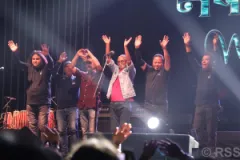
The involvement of artists alongside Zonta Club members and youth leadership reflects the campaign's effort to mobilise creative voices in the fight against gender violence. Three young Nepali women were featured at the event, highlighting the role of young women in leading and shaping the campaign's public messaging.
The 16 Days of Activism Framework
The 16-day campaign is part of the global 16 Days of Activism Against Gender-Based Violence, an annual campaign that runs from the International Day for the Elimination of Violence Against Women on 25 November to Human Rights Day on 10 December. The 2026 edition launched in Kathmandu places the city within this international mobilisation, which each year brings together governments, civil society organisations and communities to demand an end to violence against women and girls.
Zonta Club Kathmandu, a local chapter of the international Zonta service organisation, has made advocacy against gender-based violence a central part of its work. Its partnership with Kathmandu Metropolitan Municipality for the 2026 campaign gives the initiative official civic backing, an important factor in a city where public spaces, municipal policy and community awareness intersect in addressing violence against women.
Civic Partnership and Leadership
The presence of Sunita Dangola, acting chief of Kathmandu Metropolitan Municipality, as chief guest signals the municipality's endorsement of the campaign and its goals. Municipal support matters practically as well as symbolically: Kathmandu Metropolitan City governs the public spaces, including heritage sites like Basantapur, where such awareness installations can be displayed, and its participation ties the campaign's advocacy to the city administration's own responsibilities toward citizen safety.
The launch brought together a broad coalition at Basantapur:
-
Zonta Club Kathmandu members, the campaign's organisers
-
Kathmandu Metropolitan Municipality leadership, represented by acting chief Sunita Dangola
-
Artists behind the public installation
-
Youth leadership and three young Nepali women featured at the event
-
Members of the general public gathered at the heritage site
Why Basantapur Matters
Basantapur, also known as Basantapur Durbar Square, is one of Kathmandu's most prominent heritage sites and among the busiest public spaces in the capital. Choosing this location for the campaign launch ensures that the anti-violence message reaches a wide and diverse audience, from daily commuters to visitors exploring the historic square. Public art in such a setting carries the campaign beyond the launch day itself, allowing the installation to continue provoking reflection and conversation among passers-by throughout the 16-day period.
The pairing of heritage, art and activism also speaks to a broader trend in Nepal's civil society, where awareness campaigns increasingly use visual and public-facing formats to engage communities. By anchoring the campaign's start in a physical, public gesture, Zonta Club Kathmandu and the metropolitan municipality have set the tone for two weeks of activity aimed at confronting gender-based violence.
What Follows
With the launch completed, the campaign is set to run for 16 days, consistent with the global activism calendar for ending violence against women. The opening event at Basantapur, combining official civic endorsement, artistic expression and youth participation, establishes the framework for the activities that will follow across the campaign period.
For Zonta Club Kathmandu, the launch represents a continuation of its advocacy mission; for Kathmandu Metropolitan Municipality, it is a public reaffirmation of its role in protecting citizens; and for the young women and artists involved, it is an opportunity to shape how their city talks about and responds to gender violence. As the 16-day campaign 2026 unfolds, the installation at Basantapur will stand as a visible reminder of the commitment made on Wednesday to a city free of violence against women and girls.