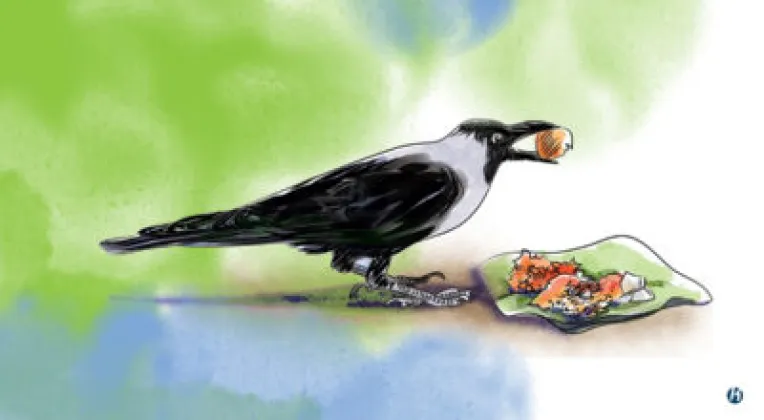
Kag Tihar, the day set aside for the worship of crows, was observed across Nepal on Friday, marking the beginning of the Yamapanchak festival period that culminates in Tihar, the festival of lights. Falling on the day of Kartik Krishna Trayodashi, the opening day of Yamapanchak saw households across the country lay out offerings of crows' favourite foods on rooftops, terraces and courtyards, honouring the bird in its traditional role as a messenger of Yamaraj, the god of death. The country's leading calendar authority confirmed that the festival has begun on the day prescribed by scriptures, setting the stage for the remaining celebrations of one of Nepal's most important festivals.
Crows honoured as messengers of Yamaraj
According to Hindu tradition observed in Nepal, the crow is regarded as the chief messenger and informant of Yamaraj, the deity who governs death and the afterlife. Because the bird is believed to travel between the world of the living and the realm of the dead, its arrival and even its cawing are traditionally read as omens of news to come. On Kag Tihar, devotees therefore begin the festival period by appeasing the crow rather than overlooking it.
Early on Friday morning, families prepared foods considered the crow's favourites and offered them on rooftops, walls and open courtyards, in many households before the family itself sat down to eat. The belief is that a well-fed crow will carry only good tidings to Yamaraj, while one that goes hungry may bring unwelcome news during the festival season. Offerings are also made with the wish that sorrow and misfortune stay away from the household throughout Yamapanchak.
Festival begins on the scripturally prescribed day
The timing of this year's Kag Tihar was underscored by Dr. Purushottam Bhattarai, chairman of the Nepal Panchang Decision Development Committee, the body that determines the dates of festivals in the Nepali calendar. As reported by Nepal Press, Bhattarai said the festival is being observed on the scripturally prescribed day, because the Trayodashi tithi falls at sunrise.
In the traditional Hindu system of timekeeping, a tithi is a lunar day, and the panchang assigns a festival to the day on which its prescribed tithi prevails at sunrise. With Kartik Krishna Trayodashi in force at dawn on Friday, the committee's determination placed Kag Tihar squarely on that day, guiding temples, households and communities across the country in their observance. Calendar decisions of this kind matter greatly in Nepal, where the timing of major rituals follows the lunar calendar and can shift from year to year.
The days ahead in Yamapanchak
Yamapanchak, the festival period now underway, traditionally unfolds over five days, each with its own focus of worship. Following Kag Tihar, the second day is traditionally set aside for dogs, revered as loyal companions and guardians, in the observance known as Kukur Tihar. The third day combines the worship of the cow, regarded as a symbol of prosperity, with Laxmi Puja, when the goddess of wealth is welcomed into homes lit with oil lamps and decorated with colourful floor art.
The fourth day is marked by Gobardhan Puja, when oxen are honoured, while the Newar community observes Mha Puja, a ritual of self-purification that also marks the start of the Newar year. The festival period concludes with Bhai Tika, when sisters apply multi-coloured tika to their brothers' foreheads and wish them long life and prosperity. Throughout the period, neighbourhoods traditionally come alive with bhailo and deusi singing, as groups of revellers move from house to house in the evenings.
A festival of light, family and lore
Tihar, also known as Yamapanchak or Deepawali, is regarded as the second largest festival in Nepal after Dashain, and its rituals are woven around the lore of Yamaraj himself. According to the legend associated with the festival, Yamaraj once visited his sister after she longed to see him, and the crow, the dog and the cow are honoured as messengers connected to that journey. The final day, Bhai Tika, celebrates the bond between brothers and sisters, echoing the reunion of Yamaraj and his sister.
As reported by Khabarhub, the observance of Kag Tihar on Friday opened this year's festival period on the day fixed by the country's calendar authorities. With the crow appeased and the first rituals complete, households across Nepal now turn to the days of lamps, garlands and family gatherings ahead, as Yamapanchak moves toward its celebration of light and the ties between siblings.