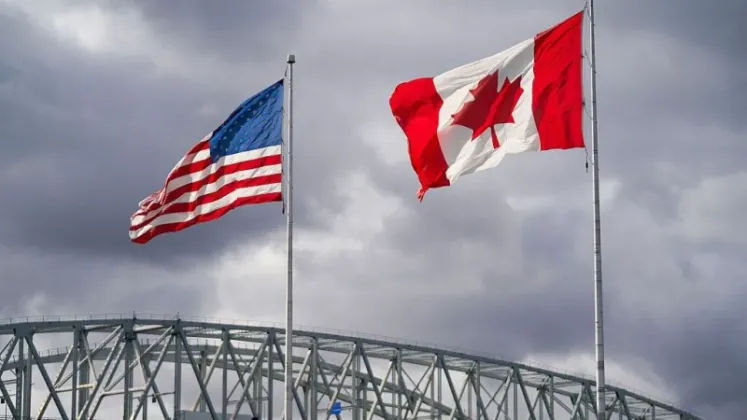
The Trump administration will reduce tariffs on a range of goods imported from Canada, a decision announced less than two weeks before American voters head to the polls in the US midterm elections. According to the White House, the reduced duties take effect on October 30 and apply to plywood, some paper products, certain types of machinery and refrigeration equipment. The move follows advocacy from US Senator Susan Collins, who said she pushed for the relief to help the agricultural industry in her state of Maine, where she is running in the November midterm elections.
The announcement pulls together trade policy and campaign politics in a single stroke: a senator says she pressed for tariff relief on behalf of her state's farm sector, and the White House spelled out the details in the closing days of the midterm campaign.
A targeted list of tariff relief
The White House framed the measure narrowly. Rather than a sweeping rollback of duties on Canadian imports, the administration identified a specific set of product categories whose tariffs will be reduced starting October 30:
- Plywood
- Some paper products
- Certain types of machinery
- Refrigeration equipment
The effective date means the change reaches importers and businesses within days of the midterm elections, which are held in early November. Beyond the listed categories, the White House did not announce a broader easing of duties on Canadian goods.
Tariffs are taxes applied to goods as they cross the border, and lowering them reduces the cost of the affected imports for US buyers. Duties on building materials such as plywood, or on industrial goods such as machinery and refrigeration equipment, can matter to the businesses that use those products. The decision to name categories individually, rather than relax tariffs across the board, makes this a targeted measure rather than a broad change in trade policy toward Canada.
Collins points to Maine
Senator Susan Collins said she pushed for the tariff relief to help the agricultural industry in Maine, her home state. Her statement connects the White House decision directly to a state-level constituency, framing the reduced duties as a benefit aimed at farmers and agricultural businesses rather than an abstract trade adjustment.
Collins is running in the November midterm elections, a fact that gives her advocacy a clear political dimension. By pressing for relief on goods relevant to her state, she has placed herself at the center of a trade decision that speaks directly to Maine's economy, and she has done so in the final stretch of a campaign in which she is asking voters for their support.
The covered product list includes machinery and refrigeration equipment alongside plywood and paper products. While the announcement did not detail which sectors are expected to benefit from each category, Collins' comments make clear that, in her view, Maine's agricultural industry is among the intended beneficiaries of the lower duties.
Timing shapes the story
The calendar is central to how the decision is being read. The White House set out the reduced duties less than two weeks before the midterm elections, and the relief begins on October 30, just days before Americans vote. That proximity puts trade policy and electoral politics side by side, particularly because a specific state, a specific industry and a specific senator are all part of the story.
Days from the vote
The midterms fall in early November, and the announcement arrived in the campaign's final stretch. The reduced duties, by design, take effect before election day, meaning the change is in force as voters in Maine and elsewhere go to the polls. For Maine, the decision offers a concrete example of federal trade action tied to the state's stated needs, secured through the advocacy of a senator who is herself on the ballot.
The decision at a glance
Here is a summary of what was announced:
- What: The Trump administration is reducing tariffs on certain goods imported from Canada.
- When: The reduced duties apply from October 30, less than two weeks before the US midterm elections.
- Which goods: Plywood, some paper products, certain types of machinery, and refrigeration equipment.
- Who pushed it: Senator Susan Collins of Maine, who said she pushed for the relief to help her state's agricultural industry.
- Political context: Collins is running in the November midterm elections, and the announcement came in the final days of the campaign.
Details of the announcement were reported by Ratopati and Nepal Views.
For now, the essentials are straightforward. From October 30, plywood, some paper products, certain types of machinery and refrigeration equipment imported from Canada will face reduced duties. The change was championed by a senator from Maine who says it is intended to help her state's agricultural industry, and it was announced with election day fast approaching.