The United States has committed more than USD 36 million in assistance for Nepal's flood response and recovery, the US Embassy in Kathmandu said on Thursday. The announcement comes as the country continues to deal with the aftermath of the August Bhotekoshi floods, which caused significant damage and displacement in affected communities.
The pledge is intended to fund humanitarian relief efforts and strengthen Nepal's health sector, according to the embassy. The commitment was disclosed alongside a high-level meeting between American and United Nations officials focused on coordinating the next phase of recovery.
Diplomatic meeting on recovery priorities
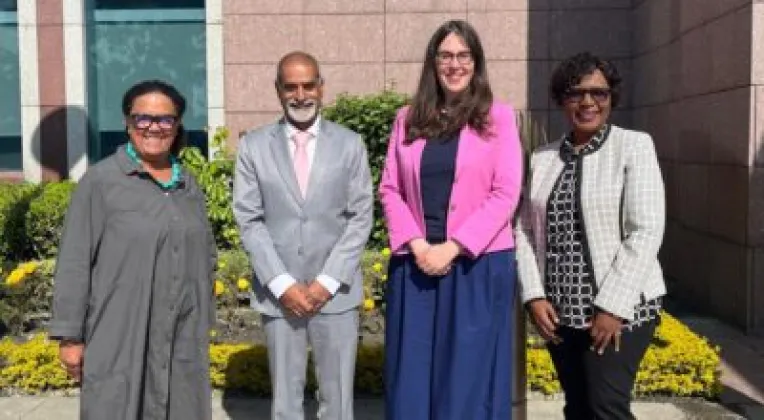
US Chargé d'Affaires Megan Bouldin held discussions with Sanjay Wijesekera, UNICEF's Regional Director for Asia and the Pacific, and Alice Akunga, UNICEF Representative to Nepal, to discuss recovery priorities and humanitarian coordination following the August Bhotekoshi floods. The meeting underscored the importance of aligning international support with the needs of communities hit hardest by the disaster.
The talks between the US diplomat and UNICEF leadership centred on how the newly committed funds would be channelled into relief operations and how agencies could work together to deliver aid effectively. While specific allocation details were not disclosed, the embassy confirmed that the assistance is aimed at two broad areas: immediate humanitarian relief and longer-term strengthening of the health sector.
Focus on health systems and humanitarian relief
The decision to direct a substantial portion of the commitment toward Nepal's health sector reflects the pressure that flood disasters place on medical infrastructure and public health services in affected districts. Flooding typically brings risks of waterborne disease, disrupted access to clinics, and damaged health facilities, making sustained investment in health systems a priority for recovery planners.
The August Bhotekoshi floods struck communities along the Bhotekoshi river, prompting a large-scale humanitarian response involving the Nepali government, UN agencies, and international partners. UNICEF, with its regional and country-level leadership present in the discussions, is expected to play a central role in delivering child-focused and family-focused relief as part of the coordinated effort.
International support for disaster-hit communities
The US commitment adds to ongoing international assistance for Nepal's flood response. Chargé d'Affaires Bouldin's engagement with UNICEF officials signals continued cooperation between the United States and the United Nations system in Nepal's recovery process.
The embassy's announcement on Thursday did not detail a timeline for disbursement or specify which implementing partners would receive the funds. However, the framing of the assistance around both relief and health-sector strengthening suggests a two-track approach: meeting urgent needs of flood-affected populations while building resilience against future disasters.
What the commitment means for Nepal
For Nepal, which remains vulnerable to floods and landslides during the monsoon season, international financial commitments of this scale play a significant role in bridging gaps between government resources and on-the-ground needs. The Bhotekoshi floods in August highlighted how quickly disasters can overwhelm local capacity, requiring external support for shelter, clean water, nutrition, and medical care.
With more than USD 36 million now committed, recovery planners will turn to translating the pledge into tangible support for affected households. The meeting between Bouldin, Wijesekera, and Akunga marks an early step in that process, establishing coordination priorities between the US government and UNICEF as the recovery moves forward.
Further details on how the assistance will be allocated and implemented are expected as coordination between US agencies, UNICEF, and the Nepali government progresses.