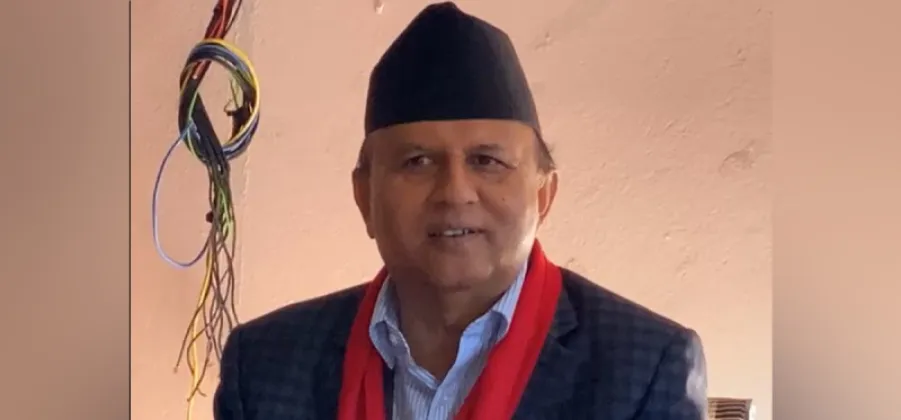
Kathmandu - CPN (UML) General Secretary Shankar Pokharel said on Monday that an electoral alliance among leftist forces is possible in the upcoming local-level elections. Speaking at a programme in Kathmandu, Pokharel indicated that the prospects of coordination between the communist parties have improved, with informal discussions on such an alliance already having taken place.
Alliance Would Enable Vote Transfer, Says Pokharel
Pokharel said leftist leaders have now realised that forging an alliance would allow votes to be transferred between the parties, an advantage that no single leftist party could achieve on its own. According to him, this understanding has emerged from the experience of past elections, where fragmented leftist votes weakened the overall performance of communist forces.
He pointed out that the Maoist leaders in particular had learned this lesson from their earlier electoral cooperation with the UML and the Nepali Congress. Those experiences, he suggested, have shaped the current thinking within leftist ranks about the value of working together rather than contesting separately.
Informal Discussions Underway
While stopping short of announcing a formal agreement, the UML General Secretary confirmed that informal discussions on an alliance have taken place among the concerned parties. His remarks signal a shift in tone within the UML leadership towards greater openness to pre-election cooperation with other leftist forces ahead of the local polls.
Electoral alliances have historically played a decisive role in Nepali politics, particularly at the local level, where vote transfers between allied parties can significantly alter outcomes. Pokharel's comments suggest that the UML is weighing whether a repeat of such arrangements could benefit the leftist bloc in the upcoming elections.
Warning Against Party Split in the Name of Transformation
Alongside his remarks on electoral coordination, Pokharel issued a caution to his own party, warning that the UML should not be split in the name of transformation. The comment appears directed at ongoing debates within the party about the direction of its political agenda.
He stressed that internal differences should not be allowed to fragment the organisation, implying that the pursuit of transformation must not come at the cost of party unity. The statement comes at a time when parties across the political spectrum are preparing their strategies for the local-level elections.
Looking Ahead to the Local Polls
Pokharel's remarks will be closely watched by political observers, as the possibility of a leftist alliance could reshape the electoral landscape at the local level. Whether the informal discussions he referenced develop into a formal seat-sharing arrangement remains to be seen, but his statement marks one of the clearest signals yet from senior UML leadership that such cooperation is being actively considered.
As the elections approach, the UML's calculus on alliances, along with its internal debates over transformation and unity, is expected to feature prominently in the party's preparations. Pokharel's dual message of openness to external coordination and vigilance against internal division captures the twin challenges the party faces heading into the polls.