US President Donald Trump has suspended certain sanctions on Russia through an executive order, saying the move is intended to clear the way for peace negotiations, and the decision has drawn immediate objections from lawmakers in both major parties. The suspension comes only weeks after Trump signed the Lindsey O. Graham Sanctioning Russia and Iran Act, a sweeping sanctions law that passed in September by a vote of 86 to 11 and authorizes measures against Moscow as well as countries that continue to purchase Russian oil. The abrupt pivot, from putting his signature to a hard-line sanctions statute to pausing parts of that pressure, has turned US policy toward the Kremlin into the subject of a fresh political fight in Washington.
Trump's Case: Sanctions Kept Russia From the Table
According to a report published on Ratopati, Trump has claimed that the sanctions themselves prevented Russia from coming to the negotiating table, and that suspending them was necessary to facilitate peace talks. In the president's framing, the economic penalties layered on Moscow are not leverage to be preserved but obstacles to be removed. The executive order he issued suspends some of those measures, although it does not repeal the underlying law.
The rationale matters because sanctions have been a cornerstone of US policy toward Russia for years. Washington first imposed broad measures after Russia's annexation of Crimea in 2014, then expanded them dramatically following Russia's full-scale invasion of Ukraine in February 2022. Because sanctions relief has long ranked among Moscow's chief demands in any negotiated settlement, any move to loosen the penalties is watched closely as a signal of how hard, or how flexible, the American bargaining position will be.
A Sharp Reversal From a Law Trump Signed
The timing of the suspension is what has made the decision so contentious. In September, the Lindsey O. Graham Sanctioning Russia and Iran Act passed by a vote of 86 to 11, an unusually lopsided margin that underscored the breadth of congressional support for a tough line toward Moscow. The law authorized sweeping measures against Russia and against countries that continue purchasing Russian oil, a provision designed to squeeze the revenue Moscow earns from energy exports by penalizing third-country buyers. As its name indicates, the legislation also addresses Iran, pairing sanctions on the two governments. Trump signed the measure into law only weeks before issuing the suspension.
Key points about the legislation:
- It passed in September by a vote of 86 to 11, reflecting bipartisan backing.
- It authorizes sweeping sanctions against Russia and against countries purchasing Russian oil.
- It also covers Iran, as reflected in its title, the Sanctioning Russia and Iran Act.
- It carries the name of Senator Lindsey Graham, one of the law's most prominent champions.
The statute remains on the books, but the executive order suspends the application of certain sanctions, meaning the administration is choosing not to enforce part of a policy it endorsed weeks earlier. That distinction is unlikely to satisfy critics, who view the order as an about-face on a measure the president himself approved.
Bipartisan Objections on Capitol Hill
The backlash has come from both parties. Lawmakers who voted overwhelmingly for the Graham Act, including members of Trump's own Republican Party, have joined Democrats in objecting to the suspension, an unusual alignment on a question of presidential authority over foreign policy. For a Congress that had just demonstrated near-unanimous support for tightening sanctions, the executive order has landed as a rejection of the consensus it had so recently affirmed.
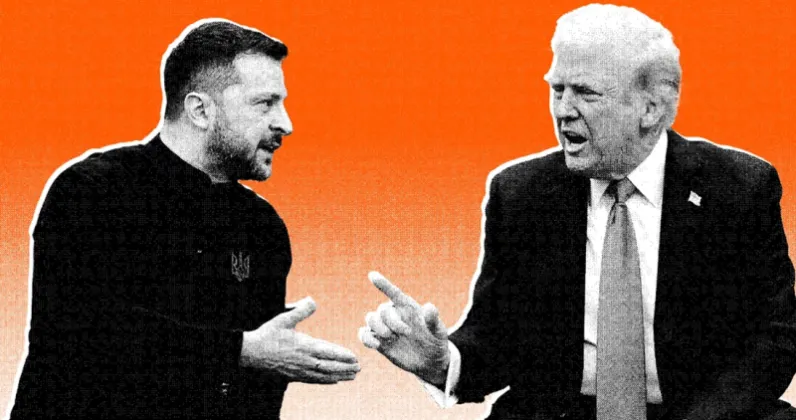
Ukrainian President Volodymyr Zelensky is also among those who have criticized Trump over the move, according to the report, which pairs the criticism with the president's claim that sanctions had kept Russia away from the negotiating table. For Kyiv, the stakes in American sanctions policy are direct. The measures are designed to restrict the revenue and resources that sustain Russia's war effort, and any relaxation is scrutinized in Ukraine for what it signals about the durability of US support.
A Test of Leverage Ahead of Talks
At the heart of the dispute is a disagreement over strategy. Trump's position is that lifting certain penalties is the price of bringing Russia into talks. His critics counter that easing sanctions before negotiations begin risks surrendering leverage that the United States and its partners spent years constructing, and that Moscow could accept the relief without offering meaningful concessions in return. The executive order has therefore become a test case for how the administration balances diplomacy against pressure.
For now, the suspension stands, and with it an unresolved question about the direction of US policy toward Russia: whether the move succeeds in drawing the Kremlin to the table, or whether it confirms the concerns of the lawmakers who, only weeks ago, voted 86 to 11 to increase the pressure on Moscow.