KATHMANDU: Tihar, the second-largest festival of Nepalis, begins on Friday with the start of Yamapanchak, the five-day religious observance that gives the festival its alternative name. According to the Nepal Panchang Decision Development Committee, the country's authoritative body for fixing the dates of major festivals, Yamadeepdan should begin this evening as the Kartik Krishna Trayodashi tithi falls today. Adding to the significance of the opening day, Dhanatrayodashi, popularly known as Dhanteras, also falls on the same day this year, making Friday a doubly important date in the Hindu lunar calendar.
Yamadeepdan to begin this evening
The Panchang committee's determination places the ritual of Yamadeepdan squarely in today's tithi. As reported by Nepal Press, with Kartik Krishna Trayodashi falling today, the first lamp of the festival is to be lit this evening, formally opening Yamapanchak.
Yamadeepdan, literally the offering of a lamp to Yamaraj, the Hindu god of death, is performed at the very start of Tihar. On this evening, devotees light oil-wick lamps in the name of Yamaraj and offer prayers for the long life, health and wellbeing of their family members. The ritual sets the tone for the days of worship that follow, which are dedicated to animals revered in Hindu tradition, to the goddess of wealth, and finally to the bond between brothers and sisters.
Why the festival is known as Yamapanchak
Tihar is also called Yamapanchak because its five days are, according to Hindu religious tradition, dedicated to Yamaraj. As noted by Nagarik News, the offering of the Yamadeep beginning today marks the formal start of the festival. Religious belief holds that a lamp lit in the name of Yamaraj during Yamapanchak pleases the deity and protects households from untimely death, which is why the ritual is observed with particular devotion on the opening evening.
From this starting point, the festival unfolds across five days, each with its own distinct rituals:
- Kaag Tihar, when crows, regarded as messengers in Hindu tradition, are offered food and worshipped
- Kukur Tihar, when dogs are honoured with garlands, tika and special offerings
- Gai Tihar and Laxmi Puja, when the cow is revered and Goddess Laxmi, the deity of wealth, is worshipped amid illuminated homes
- Goru Tihar and Gobardhan Puja, dedicated to oxen and to the Gobardhan legend
- Bhai Tika, the concluding day, when sisters put seven-colour tika on their brothers' foreheads and bless them with long life and prosperity
In the Newar community, the final day is also marked by Mha Puja, the ritual of self-worship that coincides with the new year of the Nepal Sambat calendar. Taken together, the five days make Tihar one of the most culturally rich observances in the Nepali festival calendar, second in importance only to Dashain.
Dhanteras observed on the same day
Because the Kartik Krishna Trayodashi tithi falls today, Dhanatrayodashi, or Dhanteras, is being observed on the opening day of Tihar itself this year. As highlighted by Pradeskhabar, the coincidence of the two observances on one tithi is a notable feature of this year's festival calendar.
Dhanatrayodashi is associated in Hindu tradition with Dhanvantari, regarded as the god of medicine and the source of health and healing. The day is traditionally considered auspicious for purchasing gold, silver and household utensils, and devotees mark the occasion with worship seeking prosperity and wellbeing for the household. With Dhanteras falling on the same day as Yamadeepdan, families observing both rituals will light the Yamadeep this evening while also carrying out the observances connected with Dhanatrayodashi.
A festival of lights across the country
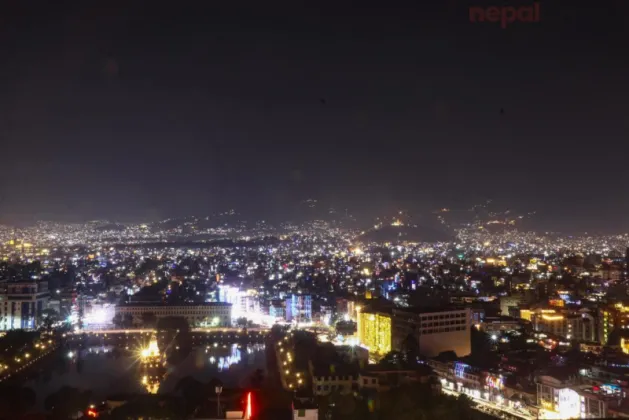
Often described as the festival of lights, Tihar transforms homes and streets across Nepal in the days ahead. Houses are cleaned and decorated with oil lamps, electric lights, marigold garlands and colourful mandalas drawn at doorways to welcome Goddess Laxmi. In the evenings, groups of children and young people move through neighbourhoods singing traditional bhailo and deusi songs, collecting blessings and festive treats from households.
Kitchens fill with the aroma of festive delicacies such as sel roti, and families gather to celebrate the sequence of rituals day by day. The festival is celebrated by Nepalis within the country and by Nepali communities around the world, with sisters and brothers making special preparations for the Bhai Tika that concludes the observance.
With the first lamp offered to Yamaraj this evening, the five-day Yamapanchak is now officially under way. Households across the country will follow the ritual schedule set by the Panchang committee through the coming days, lighting lamps, honouring revered animals, worshipping Goddess Laxmi, and finally exchanging tika and blessings as Tihar reaches its conclusion.