KATHMANDU - Tihar, Nepal's second-largest festival, began on Thursday with the traditional observance of Dhanteras, as households across the country marked the start of the festival of lights by purchasing gold, silver, jewellery and metal utensils. According to a report by Pradesh Khabar, the festival is being celebrated over six days this year, one day longer than its usual five-day span, giving families an extended period of worship, decoration and celebration.
Dhanteras opens the festival with auspicious purchases
The first day of Tihar, Dhanteras, is regarded as one of the most auspicious occasions of the year for acquiring items associated with wealth and prosperity. Following the tradition observed annually, people visited jewellery shops, gold and silver outlets and utensil stores on Thursday to buy new jewellery, gold and silver coins, and metal utensils.
Once these purchases are brought home, they are worshipped as symbols of good fortune, a practice believed to invite prosperity into the household for the year ahead. The custom makes Dhanteras a key day for traders of precious metals and household goods, as families consider purchases made on this day to carry special significance.
The start of Tihar also signals the beginning of one of Nepal's most anticipated festive seasons. Homes are cleaned and readied, shopping activity rises, and families prepare for the days of ritual worship that follow, culminating in the celebrations that honour the bonds between siblings, animals and the divine.
Six days of celebration this year
Although Tihar is usually observed over five days, the festival is being celebrated across six days this year, according to Pradesh Khabar. Known also as Yam Panchak and often compared to Deepawali, Tihar is a festival of lights in which each day is dedicated to the worship of particular animals, deities and human relationships.
In a typical year, the observances proceed in the following sequence:
- Kag Tihar: the festival opens with the worship of the crow, regarded in tradition as a messenger.
- Kukur Tihar: dogs are honoured with garlands, tika and offerings in recognition of their loyalty.
- Laxmi Puja and Gai Tihar: the cow is worshipped and the goddess Laxmi is offered prayers as households light lamps after nightfall.
- Govardhan Puja and Goru Puja: the ox is honoured, while the Newar community marks the day with Mha Puja, a ritual dedicated to the self.
- Bhai Tika: the festival concludes with sisters applying seven-coloured tika to their brothers and praying for their long life.
This year's calendar stretches these observances over an additional day, extending the festive period for families across the country. The festival generally falls in October or November, coinciding with the Nepali month of Kartik, and its timing is guided by the lunar calendar observed for major Hindu festivals in Nepal.
A festival of lights and the worship of prosperity
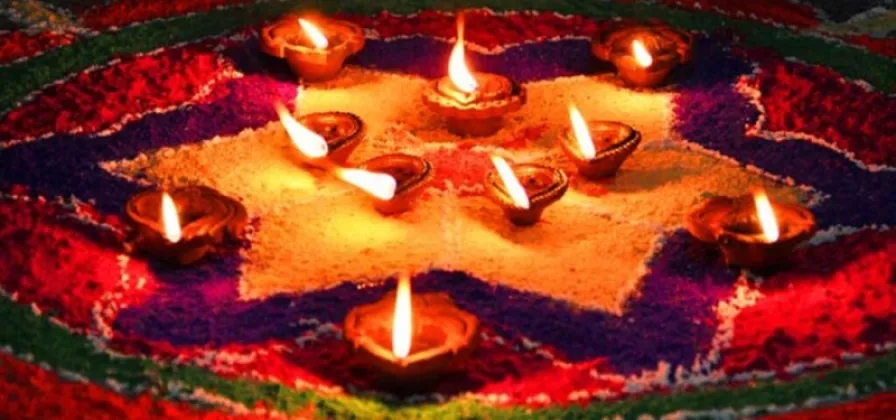
At the heart of Tihar is the celebration of light and prosperity. During the festival days, homes are illuminated with oil lamps, doorways are decorated with marigold garlands, and colourful rangoli designs are drawn at entrances to welcome the goddess of wealth. Laxmi Puja, observed in the evening, sees families offering prayers for economic wellbeing and happiness in the coming year.
The festival is also known for its traditional carol singing. Groups of children and young people move through neighbourhoods performing Bhailo on one evening and Deusi on another, receiving blessings, snacks and money from householders in return. The practice remains one of the most social elements of Tihar, bringing communities together after dark during the festive nights.
The items purchased on Dhanteras, including gold, silver coins and metal utensils, are worshipped after being brought home, underscoring the day's role in setting an auspicious tone for the entire festival. For many families, the combination of worship, decoration and celebration makes Tihar a period that blends religious observance with household tradition.
Bhai Tika to bring the six-day festival to a close
The celebrations will conclude with Bhai Tika, the day on which sisters apply seven-coloured tika to the foreheads of their brothers, place garlands around their necks and offer gifts while praying for their long life and prosperity. Brothers, in turn, present gifts to their sisters, making the day one of the most emotionally significant observances in the Nepali festival calendar.
With its worship of animals such as the crow, dog, cow and ox, its prayers to the goddess of wealth, and its emphasis on the bond between siblings, Tihar holds a distinctive place in Nepal's cultural life, second in scale only to Dashain.
Having begun with Dhanteras on Thursday, this year's six-day edition gives families across Nepal an extended opportunity to observe the rituals, light their homes and celebrate the relationships at the core of the festival. Further details of this year's observance can be found in the original report by Pradesh Khabar.