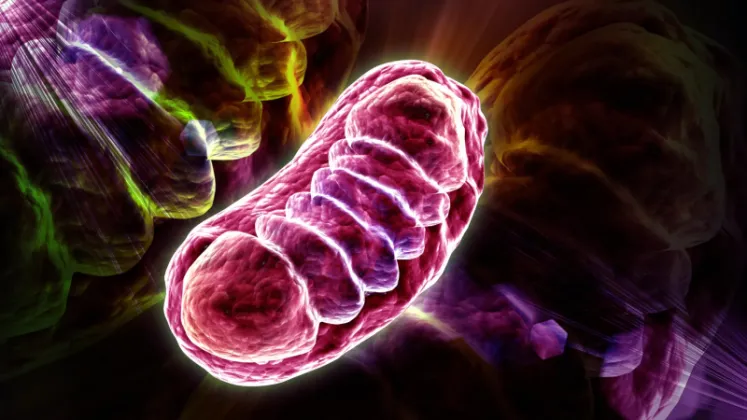
Leucine, the amino acid best known for its role in building muscle, has been found to play another crucial role in the human body: helping cells produce energy. According to recent studies, leucine protects important proteins inside mitochondria, the structures responsible for generating energy in cells, from being destroyed. With these proteins safeguarded, mitochondria are able to produce energy more effectively, tying the nutrient directly to the body's metabolic engine. The discovery offers new insight into the connection between nutrition and how the body converts food into energy and essential substances, and it may open possibilities for treating cancer and diseases that disrupt energy production and use.
The Cell's Power Plants Get a Protector
Mitochondria are the energy-producing structures found inside cells, and they depend on a collection of important proteins to carry out their work. These proteins are essential to the process that turns nutrients from food into the energy the body needs to function. The new research indicates that leucine steps in to protect these proteins from being destroyed, a newly identified function for the amino acid.
According to the studies, this protective action has a direct effect on energy output. When the vital mitochondrial proteins are preserved, energy production increases, giving cells greater access to the fuel they require. The finding positions leucine not merely as a nutrient involved in tissue growth, but as an active participant in the machinery of cellular energy production.
The research, as reported by Ratopati, highlights that leucine is useful not only for building muscle but also for increasing energy production in the body.
Key findings at a glance
- Leucine, long recognized for building muscle, also supports cellular energy production.
- The amino acid protects important proteins in mitochondria from being destroyed.
- Protecting these proteins increases the cell's energy output.
- The discovery links nutrition more closely to the body's energy metabolism.
- It may inform future approaches to treating cancer and energy-related diseases.
From Muscle Builder to Metabolic Player
Leucine has earned a prominent place in nutrition science primarily for its association with muscle. The amino acid has been widely recognized as a key contributor to building and maintaining muscle tissue, which is why it has attracted sustained attention from athletes, fitness enthusiasts, and researchers focused on physical performance and recovery.
The latest studies add an important new dimension to that understanding. Instead of contributing only to muscle, leucine now appears to influence how efficiently the body converts food into energy and essential substances. This places the amino acid at the center of metabolism, the network of processes that determines how the body uses the nutrients it receives.
The discovery also gives researchers a new way of looking at the relationship between diet and cellular function. It suggests that a single nutrient can influence the survival of critical proteins inside cells and, through that influence, affect how much energy the body is able to generate. In this way, nutrition is shown to have a direct hand in the operations of mitochondria, the structures that power cellular activity throughout the body.
Possible Paths to New Treatments
The implications of the finding reach into medicine. The researchers note that the discovery may open possibilities for treating cancer as well as diseases that disrupt the production and use of energy in the body. Conditions in which cells struggle to generate or manage energy could one day be addressed by targeting the very mechanisms that the studies have now linked to leucine.
Cancer is among the diseases singled out by the research. Because cancer involves cells that grow and behave abnormally, understanding how nutrients such as leucine support and influence cellular energy systems could help scientists develop new treatment strategies. Similarly, illnesses that interfere with how the body produces and uses energy represent another area where the finding could prove valuable.
By revealing that leucine protects the proteins mitochondria rely on, the studies have identified a specific mechanism connecting a common dietary amino acid to the fundamentals of cellular health. That mechanism, according to the researchers, could become a focus for future therapeutic work aimed at conditions involving faulty energy production.
A Fresh Look at Food and Energy
Beyond its medical potential, the discovery adds to a broader understanding of nutrition. The body's ability to convert food into energy and essential substances is fundamental to health, and the new findings show that amino acids like leucine are more deeply involved in that process than previously recognized.
The research underscores that the nutrients people consume do more than supply building blocks for the body. They can also influence the integrity of the cellular structures that generate energy, shaping how well the body performs at its most basic level. As scientists continue to explore the relationship between nutrition and mitochondria, leucine's newly discovered role stands as a clear example of how a familiar nutrient can hold unexpected importance for human health.