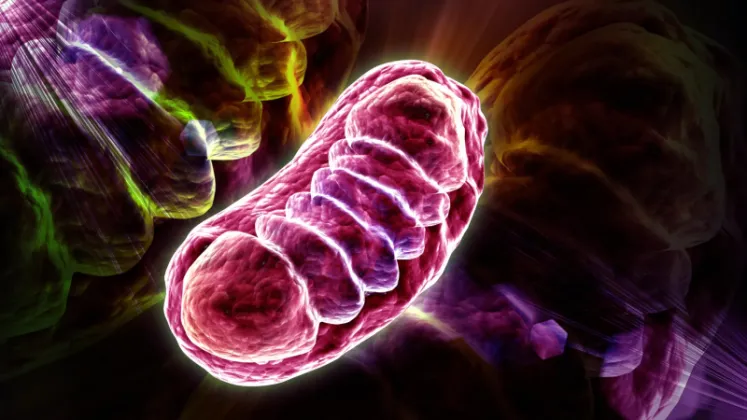
Scientists have identified a surprising second job for leucine, the amino acid best known for building muscle: it also helps the body's cells produce energy. According to the research, leucine protects important proteins inside mitochondria, the cell's energy-producing structures, from being destroyed. When those proteins are preserved, mitochondria can generate more energy, giving the nutrient a newly recognized role in the body's metabolic machinery. The discovery, reported by Ratopati, offers new insight into the connection between nutrition and the way the body converts food into energy and essential substances. It may also open possibilities for treating cancer and for tackling diseases that disrupt how energy is produced and used in the body.
More Than a Muscle-Builder
Leucine has long held a privileged place in nutrition science. As an essential amino acid, it cannot be produced by the body and must come from the diet, where it is found in protein-rich foods such as meat, dairy, eggs and plant proteins. For decades, its reputation rested on one headline function: supporting the processes that build and maintain muscle tissue. That role made it a mainstay of sports nutrition and a continuing focus of research into growth, recovery and physical resilience.
The new study considerably widens that picture. Rather than acting only along muscle-building pathways, leucine appears to operate deep inside the cell's energy machinery as well. The research indicates that leucine shields key mitochondrial proteins from being broken down, and that this protective effect translates into higher energy output. In other words, the amino acid is not merely a raw ingredient for tissue growth. It also serves as a guardian of the very structures that keep cells powered, linking a familiar dietary nutrient to the core of cellular metabolism.
Shielding the Cell's Power Plants
Mitochondria are the compartments in which the body converts nutrients into usable energy, a process that underpins nearly everything the body does, from movement to the function of every organ. Their work depends on a collection of specialized proteins. If those proteins are damaged or destroyed, the machinery falters and energy production falls.
According to the findings, leucine intervenes at precisely this point. The studies show that the amino acid protects these important mitochondrial proteins from being destroyed, and with the proteins intact, the energy-producing assembly keeps working at capacity. The result, the researchers report, is increased energy production within the cell.
The broader significance lies in what this reveals about the relationship between diet and metabolism. The body converts food into energy and into the essential substances it needs to function, and the study suggests that a single dietary amino acid can directly influence how well that conversion proceeds. Nutrition, in this light, is not only fuel. It is also maintenance for the cellular machinery that handles the fuel.
Key takeaways from the research
- A second role for leucine: beyond its established function in building muscle, the amino acid helps cells produce energy.
- A protective mechanism: leucine shields important proteins inside mitochondria from being destroyed.
- Greater energy output: with those proteins preserved, the cell's energy production increases.
- A diet-metabolism link: the discovery offers new insight into how nutrition shapes the body's conversion of food into energy and essential substances.
- Therapeutic potential: the finding may open possibilities for treating cancer and diseases that disrupt the production and use of energy.
Why It Matters for Disease
The most consequential implications reach beyond basic biology. Because energy production and energy use are fundamental to how the body works, any condition that disturbs these processes can have wide-reaching effects. The researchers point out that the discovery may open possibilities for treating cancer, as well as diseases that disrupt how energy is produced and used in the body.
While the study stops short of promising new therapies, it identifies a clear mechanism that future work can build on. If leucine's protective effect on mitochondrial proteins can be understood and harnessed, it could inform strategies aimed at conditions in which the cellular energy supply is impaired. For now, the finding gives scientists a more complete map of how a common nutrient interacts with one of the cell's most vital systems.
A Broader View of Nutrition and Health
The discovery also carries a message about how nutrients should be viewed. Amino acids are often treated simply as building blocks, yet this study shows that a single one of them can play an active, protective role inside the cell's energy-producing structures. Leucine, long studied almost exclusively for its muscle-related benefits, turns out to have a function that reaches into the heart of metabolism.
For readers and researchers alike, the takeaway is that the relationship between what we eat and how our bodies operate is more intricate than it may appear. As the studies suggest, leucine is useful not only for building muscle but also for increasing energy production in the body, a dual role that deepens the science of nutrition and may one day shape new treatments for some of medicine's most challenging diseases. Further details of the research are available via Ratopati.