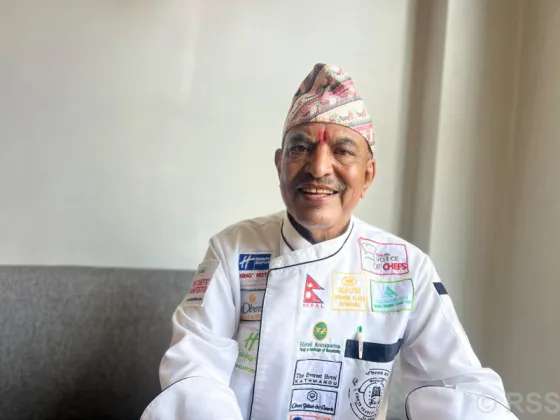
KATHMANDU - Senior chef KC has said that food is not just about taste but is also a part of Nepali culture, a reminder that what people eat carries meaning far beyond flavour. Speaking in a recent interview in Kathmandu, the veteran chef observed that people often eat for flavour and for the tongue even when they know that a diet may not always be good for their health. His remarks, carried by several Nepali news outlets, formed part of a wider discussion on the need to eat for physical health as well as for the pleasure of the palate.
Food as culture, not just flavour
At the centre of KC's argument is a simple reframing of how food should be understood. Taste, in his telling, is only the entry point: the dishes people cook and share are also carriers of Nepal's cultural identity, shaped by geography, season and generations of family practice. To treat food as nothing more than a fleeting pleasure, the chef suggested, is to miss the culture sitting on the plate.
The idea will feel familiar to anyone who has spent time around a Nepali kitchen. The everyday plate of dal bhat - rice served with lentils, seasonal vegetables and pickles - anchors daily life in most households, while specific foods mark festivals, welcome guests and bring families together. Food in Nepal is woven into rituals of hospitality and celebration, from the offering of tea and snacks to a visitor to the special meals prepared for gatherings. Read in that light, the chef's statement sounds less like a novel theory and more like a description of something many Nepalis already live: eating is a cultural act, not merely a biological one.
The key points as reported
Based on the summaries published by the outlets that carried the interview, his remarks can be distilled into three broad points:
- Food is culture: KC described food not simply as something consumed for its taste but as a part of Nepali culture, an expression of who people are and where they come from.
- Taste often wins: He noted that people frequently eat for flavour, for the tongue, even when they are aware that a diet may not always be good for their health.
- Health belongs at the table: The interview's discussion focused on the importance of eating for physical health as well as for taste, suggesting the two need not be at odds.
When taste and health pull in different directions
The most striking part of KC's observation is his honesty about human behaviour. People, he said, know very well that what they eat may not always serve their health, yet they continue to choose food for the way it tastes. The dishes that delight the palate, often rich, sweet or heavily seasoned, are frequently the very ones best enjoyed in moderation, and the chef's point was that awareness alone rarely changes the choice.
This tension between pleasure and wellbeing is a familiar one in any food-loving society, and Nepal is no exception. Urban life in Kathmandu, with its restaurants, street snacks and busy schedules, has multiplied the choices available to eaters, while the comfort of traditional, flavour-rich home cooking remains as appealing as ever. Against that backdrop, KC's appeal was for balance: enjoy the taste, but remember the body that receives it.
He framed the alternative not as abandoning flavour but as widening the question people ask of their food. If meals are understood as part of culture, then eating well becomes a way of honouring both heritage and health, rather than a sacrifice. The interview's emphasis on physical health alongside taste pointed in that direction, treating diet as a daily practice with long-term consequences rather than a series of isolated indulgences.
A message echoed across Nepali newsrooms
The conversation did not remain confined to a single platform. Rato Pati carried the story with a headline echoing the chef's own framing: not just taste, but also Nepali culture. Khabarhub and Pradesh Khabar also published accounts of the interview, each relaying the same central message to their readers.
That simultaneous coverage matters. Food, culture and health rarely compete with politics or breaking news for headline space, yet the interest shown by multiple outlets suggests that KC's theme touched on questions many readers already ask themselves: why they eat what they eat, and whether taste alone is reason enough. By placing a chef's voice at the centre of that conversation, the reports lent cultural weight to advice that is more often heard from doctors.
Culture on the plate, health in the balance
Nepal's cuisine gives the chef's argument particular resonance. Staples built around rice, lentils and seasonal greens sit alongside regional specialities shaped by the hills, the mountains and the Tarai, while festive delicacies and community feasts show how deeply food is tied to shared identity. It is precisely because food carries this weight, the remarks implied, that it deserves to be treated with care, both as heritage and as nourishment.
The senior chef's message, as reported, ends where it began: food is not just taste but Nepali culture. What people choose to cook and eat is, in that view, a statement about tradition and about self-care at the same time. The outlets that carried the interview presented a modest but resonant idea: that the path to better health may begin not with giving up enjoyable food, but with a fuller understanding of what the plate already means.