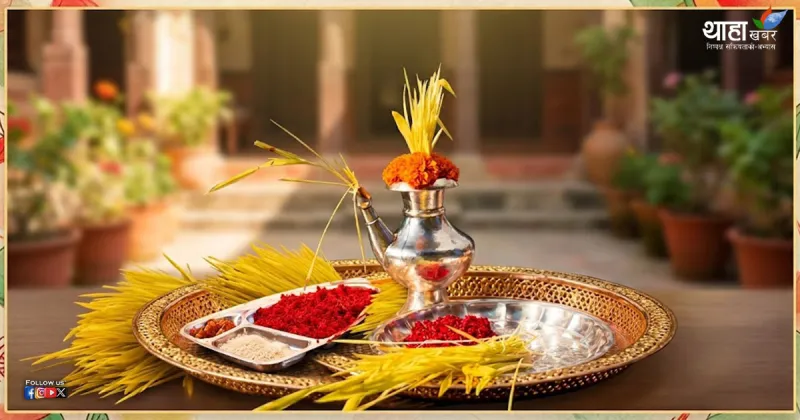
The tradition of receiving tika and jamara from elders continued across Nepal on the second day of the Dashain Tika ceremony, with people travelling to the homes of their respected elders to seek blessings in keeping with the age-old customs of the country's greatest festival. Devotees throughout the country marked the day by visiting the households of senior relatives and revered members of their communities, continuing a ritual that lies at the very heart of the Dashain celebration. As reported by Thaha Khabar and Nepal Views, the practice of receiving tika and jamara from the hands of elders was observed across the nation as the festival's central ceremony entered its second day.
A Ritual Rooted in Respect
The exchange of tika and jamara is the defining ritual of Dashain, a festival that brings families together across cities, villages and generations. Elders apply tika, a ceremonial mark, on the foreheads of their younger relatives and acquaintances, while placing jamara, the fresh green shoots of barley, on their heads or behind their ears. The act is accompanied by spoken blessings wishing the recipient long life, good health and prosperity in the year ahead.
The components of the ritual carry their own meaning and tradition:
- Tika is applied by elders as a mark of honour and blessing on the forehead of the younger person.
- Jamara, the tender barley shoots, is presented alongside the tika as a symbol of auspiciousness and freshness.
- Blessings are offered verbally by the elder, connecting the younger generation to the wishes and goodwill of their seniors.
For recipients, the ritual is not merely ceremonial. It is a moment of direct contact between generations, in which the younger person bows to the elder and receives, in return, words of goodwill that families treasure long after the festival has passed.
Homes of Elders Draw a Steady Stream of Visitors
With the tika ceremony now in its second day, the homes of respected elders across Nepal have become the focal points of family and community life. Devotees are visiting the houses of those they hold in esteem, continuing the traditional practice that transforms Dashain into a season of reunions and renewals.
The second day carries a particular rhythm in the festival. While the first day of tika is often spent within the immediate family circle, the days that follow see people spreading outward, calling on grandparents, uncles and aunts, in-laws, neighbours and other respected figures whose blessings they seek. This gradual extension of the tika rounds is precisely what was being observed across the country, as reported in the coverage of the day's proceedings.
For elders, the steady stream of visitors is both an honour and a joy. Their courtyards and living rooms fill with relatives and well-wishers of all ages, each waiting to bow, receive the tika and jamara, and listen to the blessings offered. For younger people, the visits are an opportunity to reconnect with family members they may not have seen since the previous year's festival, making the second day as socially significant as it is religiously meaningful.
Blessings That Bind Generations
What makes the continuation of tika across multiple days so significant is the way it reinforces the social fabric of Nepali society. The ritual is fundamentally hierarchical in the gentlest sense: it places elders at the centre of the celebration and asks the young to honour them openly and gratefully. In return, elders offer not only tika and jamara but also their guidance, affection and hopes for the younger generation.
This exchange, repeated in thousands of homes across the country, is one of the reasons Dashain holds such a cherished place in the national life of Nepal. The festival allows people to set aside the pressures of daily work, return to their family homes, and participate in rituals that their parents and grandparents performed before them. The second day of tika, like the days that follow, is a living demonstration of continuity, with each generation passing the same traditions on to the next.
A Festival Observed Across the Nation
From the Tarai to the hills and the mountains, the observance of tika on the second day followed the same essential pattern described in reports from across the country: people receiving tika and jamara from the hands of their elders and seeking the blessings of those they respect. The uniformity of the practice, stretching across regions and communities, underlines the place Dashain occupies as a shared cultural occasion for people throughout Nepal.
The process of seeking blessings from respected people, as the day's coverage noted, continued throughout the country without pause. As long as there are elders to give and younger ones to receive, the tradition that filled Nepali homes on the second day of Dashain Tika is expected to continue in the days ahead, keeping alive one of the most beloved rituals of the festival season.