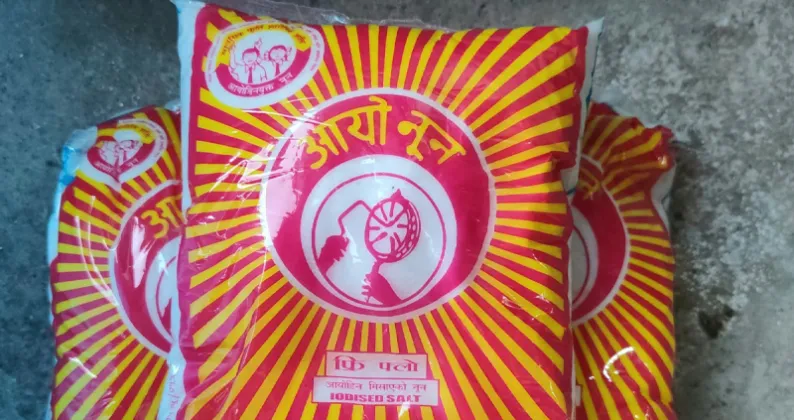
The price of salt has climbed to Rs 200 per kilogram in Chumanubri, according to reports from the area, a level that has drawn attention amid growing concern over the local economy and the supply of essential goods. The steep rate for one of the most basic items in any household was reported by local outlets Thahakhabar and Nepal Views, which indicated that the price is now being paid on the ground in the area. Neither report, however, explained what has driven the price to this level, and no official response to the situation has been documented so far.
A heavy burden on household budgets
Salt is a non-negotiable staple. Unlike other goods that families can postpone buying or substitute when prices rise, salt is used daily in every kitchen, which means any increase in its price is felt immediately and across the entire community. At Rs 200 per kilogram, the cost of this everyday essential has reached a level that stands out sharply from what consumers are accustomed to paying, and the burden does not fall evenly. Households that buy in small quantities, as is common in markets where cash is scarce and purchases are made day by day, end up paying the highest per-kilo rates.
The key points established by the available reports are limited but striking:
- Salt is selling at Rs 200 per kilogram in Chumanubri.
- The price has been reported by local news outlets tracking the area.
- The development has been linked to concerns over the local economy and the supply of essential goods.
- The cause of the price rise has not been explained in the reports published so far.
- No official response has been documented at the time of writing.
What makes the figure significant is precisely how ordinary the product is. A price of Rs 200 per kilo for salt suggests that residents are paying a premium normally associated with goods that are scarce, heavy to transport, or both. For a community where salt cannot simply be done without, the reported rate converts a routine purchase into a noticeable strain on household spending, and it raises a broader question about what other essentials might be costing in the same market.
Remote markets and fragile supply chains
Chumanubri is a sparsely populated rural municipality in Nepal's northern Gorkha district, an area where settlements sit far from major road networks and commercial hubs. Markets of this kind typically depend on goods that travel long distances, often over difficult terrain, before reaching local shops. Transport costs, seasonal access, weather disruptions and the small size of the consumer base are all factors that customarily push prices of everyday items upward in remote Himalayan communities, and they form the backdrop against which the Rs 200 figure has been received.
The reports available so far stop short of identifying which of these dynamics, if any, lies behind the current price. What they do establish is that buyers in Chumanubri are paying a rate that has been considered newsworthy enough to flag, and that the concern is not limited to salt alone. The mention of the supply of essential goods more broadly indicates that attention in the area is focused on the wider availability and affordability of daily necessities, with salt serving as the most visible example of the pressure.
The questions that remain unanswered
A number of basic details are still missing from the public record. The reports do not say whether Rs 200 per kilogram is being charged uniformly across Chumanubri or only in certain shops, whether the price reflects a formal market rate or an informal one, or whether supply disruptions are ongoing or temporary. There is also no information on whether local representatives, consumer-protection bodies or supply-oriented agencies have been informed of the situation, let alone whether any of them plans to act.
That absence of an official response is itself part of the story. When the price of a staple doubles or more relative to what consumers elsewhere typically expect to pay, the usual expectations are monitoring, market intervention or some form of subsidized supply. The available reports contain no indication that any of these steps have been taken or even discussed, leaving residents to absorb the cost in the meantime.
What happens next will depend on information that has not yet emerged. Any statement from local authorities, any movement in the prices of other essential goods, and any measure to ease supply into the area would change the picture considerably. Until then, the Rs 200 per kilogram rate stands as the clearest available marker of how expensive daily life can become in a remote market when the supply of essentials comes under strain, and as a prompt for the questions that officials and traders in and around Chumanubri have yet to answer.