River control projects have achieved 34.9 percent physical progress, but only 23.4 percent of the budget allocated for the schemes has been spent so far, according to recent reports from Nepal. The figures show that financial expenditure is lagging well behind the pace of construction on the river control works, leaving a gap of more than 11 percentage points between the work completed on the ground and the money disbursed for it. The reports did not specify where the projects are located or which bodies are implementing them.
Progress Outpaces Spending
The reports put physical progress at 34.9 percent, meaning roughly a third of the planned construction on the river control schemes has been completed. Financial progress, by contrast, stands at 23.4 percent of the allocated budget, meaning less than a quarter of the funds set aside for the projects has actually been spent.
When physical progress outstrips expenditure, it generally means that work has been carried out but payments have not yet followed. In infrastructure projects, this can occur when contractors complete work in phases and billing comes later, when measurement and verification of finished work are still under way, or when disbursement procedures have not kept pace with implementation. The reports did not explain the reasons for the gap, leaving the causes of the slow spending unclear.
The key figures reported are:
- Physical progress: 34.9 percent
- Budget spent: 23.4 percent
- Gap between progress and spending: 11.5 percentage points
- Project locations: not specified
- Implementing bodies: not identified
Missing Details Limit Accountability
A notable shortcoming of the reports is what they leave out. Neither the locations of the river control projects nor the agencies responsible for implementing them were named, making it difficult for readers to identify which schemes are affected or which authorities should answer for the slow expenditure. That omission also limits the ability of the public, journalists and oversight institutions to follow up on the projects, verify the reported progress or seek explanations from those in charge.
Transparency about where the money is going, and who is spending it, carries particular weight for river control works, which are closely watched because of their role in protecting settlements and farmland from flooding. Without basic details such as district names, total budgets or agency identities, the published figures remain a broad aggregate rather than an account that can be examined project by project.
Timing Matters for Flood Protection Works
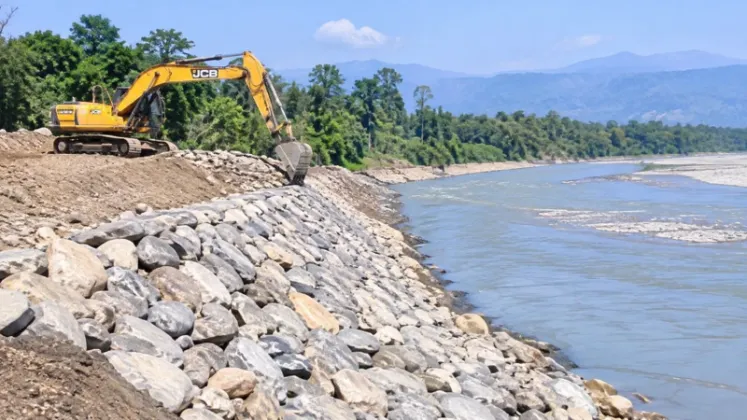
The pace of spending matters as much as the amount. Slow budget execution is a recurring concern in Nepal's development spending, where capital expenditure often accelerates sharply toward the end of the fiscal year as agencies rush to commit funds before their deadlines pass. For river control projects, the timing carries extra significance. Nepal's rivers routinely breach their banks during the monsoon, and structures such as embankments, spurs and gabion walls are built to shield communities from the resulting damage. Delays in completing or paying for such works can push construction into the rainy season, when conditions become difficult and activity is often suspended.
The reports did not state which fiscal year the allocations cover, the total budget involved or the deadlines the projects are expected to meet. Nor did they indicate whether the spending gap has affected construction schedules. Those details would be needed to judge how serious the 23.4 percent expenditure rate is at this stage of implementation.
What Comes Next
As things stand, the projects have completed roughly a third of their physical scope, while less than a quarter of the allocated budget has been spent. If construction continues at its current pace while expenditure catches up, spending is likely to rise steeply in the period ahead as completed work is measured, billed and paid for. If, on the other hand, the gap reflects deeper procedural bottlenecks, the schemes could face funding constraints even as the demand for on-the-ground work grows.
The reports carried no reactions from government officials, implementing agencies or oversight bodies, and no revisions to budgets or timelines were announced. The figures therefore stand, for now, as a snapshot of work that is running ahead of the money, on projects whose locations and managers have yet to be made public.
Further disclosure of the individual schemes, their locations, budgets and implementing agencies would allow a clearer assessment of whether the disparity between physical progress and spending is a matter of routine billing cycles or a warning sign for flood protection efforts. The progress and spending figures were reported by Nepal Views and Nepal Lead.