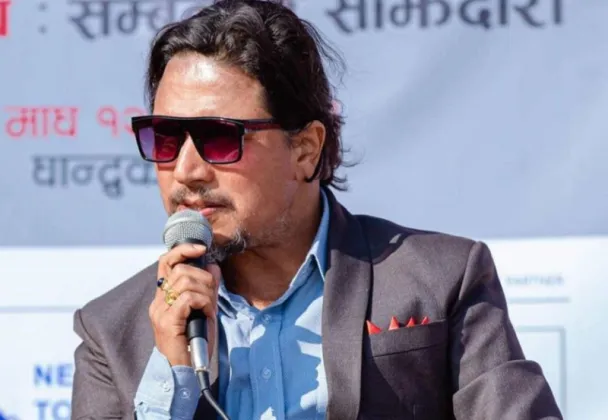
Actor and producer Deepak Raj Giri has publicly accepted full responsibility for the failure of his film 'Chha Maya Chhapakkai 2', which was released in theatres during the Dashain festival. In a statement shared on social media on Tuesday, Giri said he takes the blame for the film not achieving the success that was expected of it, and he assured audiences that he would return to cinema halls next year after carefully absorbing the feedback that has come his way. The candid admission from one of Nepal's most recognisable film personalities has drawn wide attention, as reported by Ratopati and Global Aawaj.
An Unusual Admission in Nepali Cinema
Public accountability of this kind is not a common sight in the Nepali film industry, where underperforming films are often attributed to piracy, competition or shifting audience habits rather than to the makers themselves. Giri, however, chose to bypass excuses entirely. In his Tuesday post, he stated plainly that the responsibility for 'Chha Maya Chhapakkai 2' not meeting expectations rests with him.
The statement carries weight precisely because of Giri's stature in the industry. As both the actor and producer attached to the project, he occupied a central position in the film's creation and release, and his decision to own the outcome reflects a level of openness that few filmmakers in Nepal have shown after a box office disappointment. Rather than distancing himself from the results, he placed himself at the centre of the conversation about what went wrong.
Released Amid Dashain Festivities
'Chha Maya Chhapakkai 2' arrived in theatres during Dashain, the biggest festival in the Nepali calendar. The Dashain window has long been regarded as the most coveted release period for Nepali cinema, as families gather together, cinema halls see heavy footfall, and audiences are traditionally in the mood for entertainment that can be enjoyed collectively. Producers routinely reserve the festive season for their most ambitious projects in the hope of capitalising on this surge in viewership.
That the film was positioned as a Dashain release only sharpened the expectations surrounding it. A festive launch brings with it an implicit promise of mass entertainment, and the sequel label doubled the anticipation, since follow-up films inherit the goodwill of their predecessors. Despite these advantages, the film did not achieve the expected success, and the gap between the promise of a Dashain release and its actual performance appears to be what prompted Giri's public reflection.
The Weight of Audience Feedback
Central to Giri's statement was the theme of audience feedback. He made clear that the response from viewers has been heard and that it will shape his next steps. For a filmmaker, criticism delivered during a festival season, when the largest possible audience is watching, can be particularly pointed, and Giri's acknowledgment suggests he intends to treat that criticism as material for improvement rather than as an insult to be dismissed.
'Many Friends Must Be Happy'
In a remark that has attracted particular attention, Giri observed that many of his friends must be happy following the film's failure. The comment, highlighted in the headline of the Ratopati report, suggests a frank awareness of the reactions circulating within the film fraternity and among his own circle after the disappointing run. Rather than ignoring the murmurs, Giri appeared to meet them head-on, folding the acknowledgment into his broader statement of responsibility.
The remark offers a rare glimpse into the interpersonal dynamics that follow a high-profile setback in the entertainment industry, where success and failure are watched closely by peers, rivals and well-wishers alike. By naming the happiness of some around him, Giri signalled that he is under no illusions about how the film's performance has been received, and that he is prepared to absorb even the less charitable responses along with the constructive ones.
A Pledge to Return Next Year
Alongside the acceptance of blame, Giri's message carried a forward-looking commitment. He pledged to return to theatres next year, with the明确 implication that his comeback will be built on the lessons drawn from the audience feedback surrounding 'Chha Maya Chhapakkai 2'. His pledge can be understood as a promise on three fronts:
- Accountability: He accepts that the shortfall of the sequel is his responsibility, not the audience's.
- Listening: The feedback from viewers will be studied and incorporated into his future work.
- Comeback: He intends to return to cinema halls next year with that learning behind him.
For audiences, the pledge transforms a moment of failure into a promise of renewal. It frames the film's shortcomings not as an endpoint but as part of a longer creative journey, one in which the audience's verdict holds genuine consequences for the filmmaker's next move.
What Comes Next
Giri's statement has, at least for now, shifted the narrative around 'Chha Maya Chhapakkai 2' from speculation about the film's performance to discussion of his response to it. Whether the goodwill generated by his candour translates into anticipation for his next project will become clear when he returns to theatres as promised next year. Until then, his message stands as a notable example of a senior filmmaker choosing transparency over silence, and accountability over deflection, in the aftermath of a high-profile disappointment.