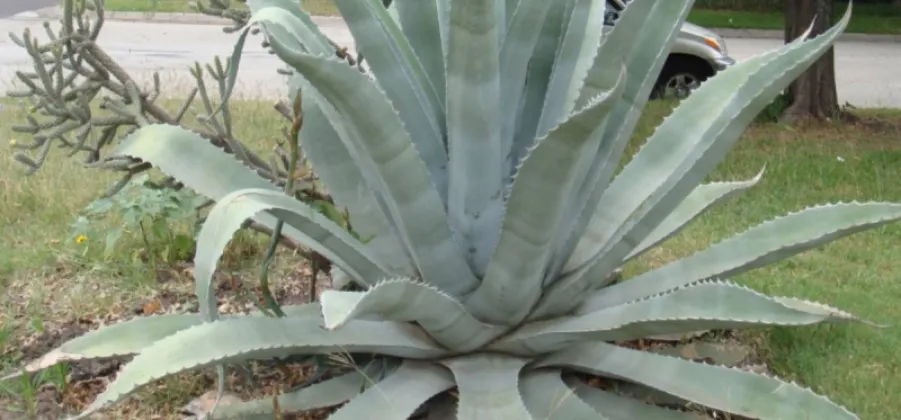
The rambas plant is becoming increasingly rare in Nepal, while traditional skills for turning it into ropes, namlo and nets are also fading, according to reports by Lokaantar, Nagarik News and Ajako Artha. Known as rambas in the Doteli language, the plant has the scientific name Agave americana and grows on sloped land. Its thorny leaves have also served as a living barrier around fields, protecting crops from livestock and wild animals.
A plant with practical uses
Rambas has been valued for more than one purpose. Its thorny leaves can be used to create fencing around cultivated land, while the plant’s material is also made into ropes, namlo and nets. These uses connect the plant to both everyday protection of fields and traditional making skills. As the plant becomes less common, the materials used for these items are harder to find, and knowledge of how to work with them is also at risk of fading.
Shanti Bista of Nawadurga Rural Municipality-4 described the role of the plant’s sharp leaves in keeping animals away from fields. The living fence, she said, helps protect farmland from livestock and wild animals. This account points to a practical function that depends on the plant growing where it can be used as a boundary. Rambas is therefore not only a source of material for crafted items, but also part of a traditional approach to protecting fields.
Skills at risk alongside the plant
The reports highlight two linked concerns: the declining presence of rambas and the weakening of the skills used to make useful items from it. The plant’s scarcity makes its traditional applications less accessible, while the loss of those skills can mean fewer people know how to turn the material into ropes, namlo and nets. The available reports do not identify a single cause for the plant’s decline, but they describe both the resource and the knowledge associated with it as increasingly vulnerable.
That distinction matters. The plant can be present without its uses being carried forward, just as knowledge of how to make an item cannot be practised easily if the material is difficult to obtain. Rambas-based products and field fencing represent different uses of the same plant: one involves making objects, while the other relies on its thorny leaves as a boundary. The reported decline touches both practices, rather than only the availability of a particular craft product.
Keeping traditional knowledge visible
The accounts of rambas and its uses document knowledge tied to a specific plant and to the land on which it grows. Naming it in Doteli as well as by its scientific name, Agave americana, helps identify the subject of the reports, while Bista’s description records why its thorny leaves have been useful to people protecting fields. The reports also preserve the names of the items made from it - ropes, namlo and nets - as the skills behind those products fade.
The reports do not provide figures on how much rambas remains or how many people continue to make these items. They nevertheless describe a clear change: a plant once used for field protection and for making practical goods is becoming harder to find, and the traditional knowledge associated with it is declining. Together, those losses raise concern about the continued use of rambas in Nepal and the survival of the skills that give the plant its practical value.