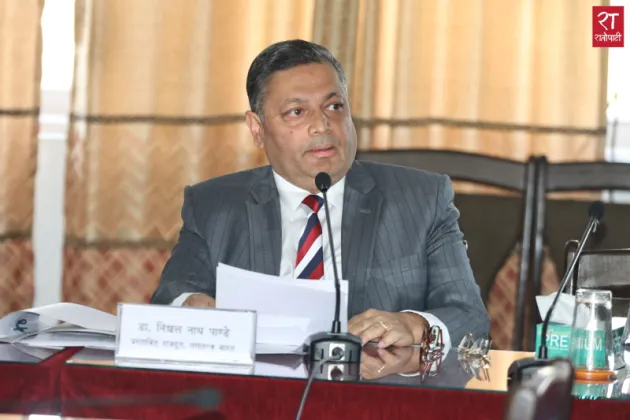
Dr. Nischal Nath Pandey, proposed as Nepal’s ambassador to India, told the Parliamentary Hearing Committee in Kathmandu on Monday that Nepal’s diplomacy cannot be called a failure. Presenting his views and work plan for the ambassadorial post, he pointed to Nepal’s continued independence while the rest of South Asia was under British colonial rule as a reason to reject that assessment.
Pandey’s case for Nepal’s diplomatic record
Pandey made the remarks as he outlined his approach to the proposed ambassadorship. His argument drew on Nepal’s historical experience: the country remained independent during a period when the rest of South Asia was under British colonial rule. He presented that record as evidence against describing Nepal’s diplomacy as unsuccessful.
The claim places Nepal’s independence at the centre of his defence of the country’s diplomatic record. Rather than treating diplomacy as a failure, Pandey invoked the fact that Nepal retained its independence in a region shaped by colonial rule. His comments, as reported from the hearing, were part of his presentation to the committee and his case for the ambassadorial position.
The remarks were not, in the available account, accompanied by a detailed review of particular diplomatic successes or setbacks. Nor did the account specify which aspects of Nepal’s current foreign relations Pandey would prioritise if he takes up the post. His central point was broader: Nepal’s diplomatic record should not be characterised as a failure, and the country’s history of remaining independent provides a significant example in support of that view.
Hearing focuses on proposed ambassador’s approach
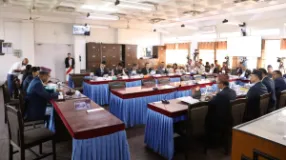
The Parliamentary Hearing Committee heard Pandey’s views and work plan in Kathmandu on Monday as he was considered for the role of Nepal’s ambassador to India. The presentation gave him an opportunity to set out his approach to the post and explain how he assesses Nepal’s diplomacy. The report does not provide further details of the plan he presented, so specific policy proposals or priorities cannot be established from the information available.
Pandey’s comments linked that prospective role to a wider question about how Nepal’s diplomatic record is judged. His reference to independence under colonial rule offered a historical basis for his position, while the hearing itself centred on his proposed service as envoy to India. The distinction matters: the remarks addressed the broader record of Nepal’s diplomacy, while the committee appearance concerned his views and work plan for a particular ambassadorial appointment.
The available reporting does not indicate that Pandey declared Nepal’s diplomacy flawless. Instead, his stated position was that it should not be called a failure. That formulation leaves room for discussion of challenges or areas for improvement, but the supplied accounts do not detail what he said about them. They likewise do not set out his specific plans for the India assignment beyond noting that he presented a work plan and outlined his approach.
By grounding his argument in Nepal’s historical independence, Pandey made the country’s experience a key part of his response to criticism of its diplomatic performance. His remarks at the hearing therefore combined a defence of Nepal’s diplomatic record with a presentation related to the ambassadorial post. Further details of his proposed agenda were not included in the available account.