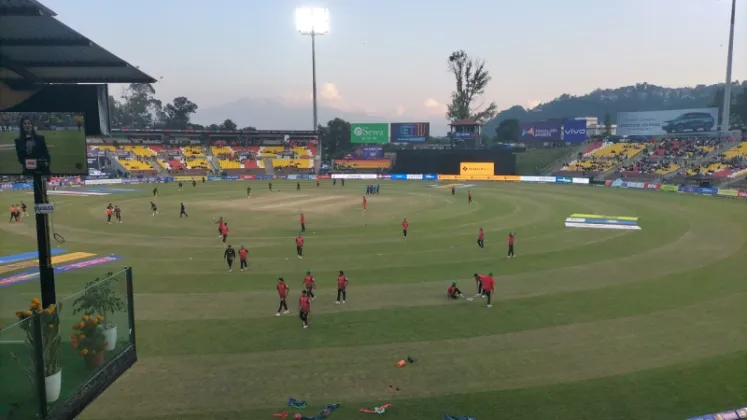
Pokhara won the toss and elected to field first against Chitwan in their Nepal Premier League (NPL) match on Friday, November 6, 2026. With the call made before play began, Chitwan were invited to bat first and will now carry the responsibility of setting a target, while Pokhara's chase will follow in the second half of the contest. As reported by Nepal Views and Nepal Samaya, the toss decision went firmly in Pokhara's favour, handing them the tactical comfort of knowing exactly what is required with the bat when their turn at the crease arrives.
Pokhara opt to chase
The decision to bowl first is one of the most consequential calls a captain can make in a Twenty20 fixture, and Pokhara wasted little time in making their preference clear at the toss. By sending Chitwan in, Pokhara's think tank has effectively shaped the shape of the entire match day: Chitwan must post a competitive total under pressure, while Pokhara can pace their pursuit ball by ball with the scoreboard in full view.
For Chitwan, the mandate is now unambiguous. Their batters will be expected to build partnerships, rotate the strike, and accelerate in the closing overs to give their bowlers something to defend. For Pokhara, the new ball represents the first opportunity to strike, and early wickets would immediately justify the choice made at the toss.
What the decision signals
While the specific thinking of the Pokhara leadership has not been detailed in the available reports, captains who choose to chase in franchise T20 cricket generally point to a familiar set of considerations:
- Target clarity: batting second removes guesswork, since the required run rate is always known.
- Easier planning under lights: chasing sides can break the innings into manageable blocks rather than defending a total against momentum swings.
- Conditions early on: the side bowling first can exploit whatever assistance the surface and atmosphere offer at the start of the match.
Why the toss carries weight in T20 cricket
In the shortest format, the toss is often described as half the battle, and Friday's result underscores why. Teams batting second in T20 cricket benefit from the ability to calculate risk precisely: every delivery, every over, and every bowling change can be judged against a fixed target rather than an abstract total. That clarity can influence everything from shot selection in the powerplay to the timing of the final push in the last five overs.
Conversely, the side batting first faces a different psychological test. Chitwan must decide how aggressively to start, when to consolidate, and how much to gamble in the middle overs, all without knowing whether their eventual total will be enough. A strong platform in the first ten overs can allow a late flourish; a stumble at the top often forces the batting side to recalibrate mid-innings.
The bowling side that wins the toss also gets first use of the match's freshest conditions. If the surface offers early movement, or if the air holds moisture at the start of play, Pokhara's opening bowlers will have the chance to make immediate inroads into Chitwan's batting order before batters can settle.
Chitwan handed the task of setting a target
With the toss settled, attention shifts to Chitwan's innings. Their openers will take strike first, and the tone they set in the opening overs will go a long way toward determining whether Chitwan can post a total their bowlers can defend. A brisk powerplay, followed by steady accumulation through the middle overs, remains the classic template for a first-innings total in this format.
Pokhara, meanwhile, enter the match with the freedom that comes with chasing. Their batting unit can wait for the right moments to attack, target specific bowlers, and keep the required run rate within reach. If wickets fall in a cluster, however, that freedom can quickly become pressure, which is precisely why Chitwan's bowlers will look to strike early and often despite losing the toss.
A fixture on the NPL stage
The Nepal Premier League has quickly established itself as a centrepiece of the Nepali cricket calendar, bringing city-based franchises from across the country into head-to-head competition in the Twenty20 format. Fixtures of this nature give domestic players a prominent stage, and matches such as Friday's Pokhara-Chitwan meeting draw close attention from fans following every development, right down to the toss result.
That attention is reflected in the immediate coverage the toss received from national outlets, with both Nepal Views and Nepal Samaya carrying the news shortly after the call was made. For followers of the league, the toss is the first data point of the day, shaping expectations long before the first ball is bowled.
With Chitwan set to bat first and Pokhara's bowlers ready to make early use of the conditions, the stage is arranged for a full day of competition. Whether Pokhara's decision proves inspired or costly will only become clear as the innings unfolds, and fans can expect further updates as the match progresses through the afternoon and evening.